
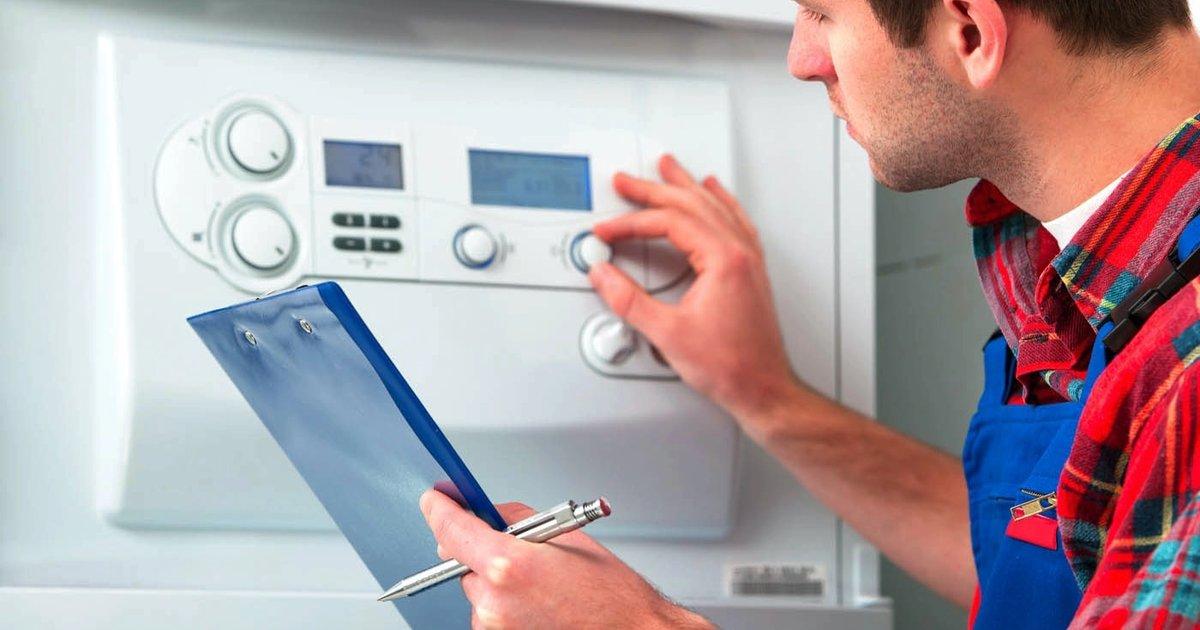
Choosing a certified gas installer ensures expert consultation, reliable advisory, and thorough planning to prevent risks and costly mistakes. With professional guidance, you gain confidence in informed decision-making and enhance your home’s safety and comfort. Ready to make the safest choice for your property?
Importance of Certification for Gas Installation Safety Standards
Ensuring compliance with gas installation safety standards is not merely a regulatory formality; it is a critical aspect that directly impacts the well-being of occupants and the integrity of buildings. Certification plays an essential role in confirming that a gas installation meets these stringent standards, thereby minimizing risks such as gas leaks, explosions, or carbon monoxide poisoning. A certified installation guarantees adherence to established codes and manufacturer guidelines, which are continuously updated to reflect the latest safety advancements and technological improvements.
For example, certified installers are trained to follow the rigorous testing protocols required by bodies like the American Gas Association (AGA) or equivalent authorities in various countries.
These protocols include pressure testing, leak detection using advanced equipment, and proper ventilation assessment. Without certification, an installer might overlook subtle but vital steps that ensure the gas system operates safely under all conditions.
Certification also ensures proper documentation and traceability.
When a certified professional completes an installation, they provide a detailed certification report that not only verifies the work’s compliance but also facilitates future inspections or insurance claims. Homeowners and businesses benefit from this transparency, which adds a layer of accountability hard to achieve with uncertified work.
Furthermore, many insurance policies and local regulations specifically require gas installations to be performed and certified by licensed professionals. Failure to meet this criterion could lead to denied claims or legal penalties in case of incidents.
From a practical standpoint, hiring a certified gas installer prevents costly reworks and enhances overall system efficiency, since certified professionals keep abreast of best practices and manufacturer recommendations.
Legal Requirements and Compliance for Certified Gas Installers
Certified gas installers operate within a strict legal framework designed to safeguard public safety and ensure the proper functioning of gas installations. Compliance with these regulations is fundamental, as incorrect handling or installation can lead to serious hazards such as leaks, explosions, or carbon monoxide poisoning.
In most countries, including those in the European Union and North America, professionals must hold valid certification from an accredited body, such as a CORGI registration in the UK or certification under the U.S.
Department of Transportation’s Pipeline and Hazardous Materials Safety Administration (PHMSA). These certifications confirm that the installer has undergone rigorous training and testing, and adheres to national and local safety standards.
The legal requirements often encompass not only the qualification of the installer but also adherence to specific codes like the International Fuel Gas Code (IFGC), the National Fire Protection Association’s NFPA 54, or regional gas safety regulations.
Installation permits and mandatory inspections by safety authorities are typically obligatory before any gas system can be operational. For example, in certain jurisdictions, an uncertified installer cannot legally perform work on piping or appliance connections, and failure to comply can result in severe penalties.
Moreover, certified installers must follow strict documentation protocols, including issuing compliance certificates, detailed installation reports, and maintenance logs.
These documents are essential for insurance purposes, future property transactions, and ongoing safety audits. They provide transparency and traceability, which non-certified work lacks.
Employing a certified gas installer also ensures that the work meets warranty conditions and manufacturer specifications, reducing potential liabilities. If an accident occurs due to uncertified installation, insurance claims can be denied, leaving homeowners or businesses exposed to considerable financial risk.
Choosing a professional who understands and consistently implements legal and regulatory requirements mitigates safety risks while fulfilling all compliance obligations.
This level of expertise protects not only the installer and client but also the broader community and environment.
Extra fact:
In many countries, gas installation certifications are not only required for safety but also legally mandated for insurance validity, meaning that an uncertified gas installation could void homeowners’ insurance policies and leave users financially vulnerable in case of accidents or damages.
Risks of Hiring Uncertified Gas Installation Professionals
Engaging an uncertified professional for gas installation poses significant safety hazards and legal complications. Without the proper certification, installers may lack comprehensive training on industry standards, which increases the likelihood of errors in pipe fitting, pressure regulation, or airtight connections. These mistakes can lead to gas leaks, one of the primary causes of fire, explosions, and carbon monoxide poisoning in residential and commercial settings.
For example, improper sealing or incorrect materials not suited for gas lines can degrade over time, causing invisible leaks that endanger lives and property.
Beyond safety risks, uncertified installers often do not comply with local regulations or building codes. Many jurisdictions require certified technicians to carry out gas installations so that the work can pass inspection and secure appropriate permits.
If an uncertified professional performs the job, homeowners risk failing inspections, which can delay occupancy or use of the facility. Furthermore, insurance companies may refuse to cover damages arising from installations done by unqualified workers, leading to financial burdens in the event of accidents.
Certified gas installation professionals adhere to rigorous training and pass city or national licensing exams demonstrating their knowledge of current regulations, material standards, and advanced safety protocols. Their expertise ensures installations are reliable and energy-efficient, while also qualifying for warranties and insurance benefits.
Choosing an uncertified technician often means sacrificing this assurance and can result in costly repairs or legal liabilities.
Additionally, uncertified installers might not stay updated on evolving technologies or emerging safety practices. Certified professionals participate in continuous education, maintaining a standard of quality that reflects the latest industry advances. This ongoing competence is critical as gas appliances and systems integrate more sophisticated controls and sensors designed to optimize performance and safety.
Hiring a certified installer ultimately protects your investment, health, and peace of mind by guaranteeing compliance, safety, and durability.
It eliminates the uncertainty around the installation’s legitimacy and performance, reducing potential risks that uncertified work frequently entails.
How Certified Installers Ensure Efficient and Reliable Gas Systems
The expertise of a certified gas installer plays a crucial role in guaranteeing that gas systems function safely, effectively, and in compliance with all applicable regulations. These professionals possess comprehensive training not only in installation techniques but also in the critical understanding of local codes and standards, such as the International Fuel Gas Code (IFGC) or regional equivalents. This ensures that every connection, joint, and appliance integration meets stringent safety and efficiency criteria.
Efficiency begins with the design and selection of components tailored for the specific structure and gas demand profile.
Certified installers carry out precise load calculations to determine the right pipe diameters, pressure settings, and venting requirements. For example, undersized piping or incorrect pressure settings can result in poor appliance performance or dangerous leaks.
The installer’s capability to diagnose these parameters during the initial phase prevents costly modifications later and enhances system longevity.
Beyond new installations, certified professionals conduct thorough pressure testing and leak detection using advanced instruments, such as electronic gas leak detectors or manometers, which are essential for ensuring airtight seals and proper pressure levels. These tests are often mandatory before systems are commissioned, providing documented proof of compliance and reassuring property owners of their safety.
Reliability is further ensured through strict adherence to manufacturer guidelines and quality materials, avoiding shortcuts like incompatible fittings or uncertified pipe types that might degrade over time. Certified installers keep up to date with advancements in gas technologies, including smart monitoring solutions that detect anomalies remotely, which adds a layer of proactive safety often absent in non-certified installations.
On a practical level, entrusting work to a certified installer minimizes insurance and legal risks, as insurers frequently require documented proof of professional installation to validate coverage in the event of accidents.
Their certifications often include ongoing education, guaranteeing they remain versed in the latest regulatory changes and technological innovations, ultimately delivering gas systems that are both efficient and dependably safe.
Long-term Benefits of Professional Gas Installation Services
Engaging a certified gas installer brings substantial advantages that extend well beyond the initial setup phase. One key long-term benefit is enhanced safety, as certified professionals strictly adhere to the latest national and international safety standards. This vigilance minimizes risks of gas leaks, carbon monoxide exposure, and potential explosions, which are leading causes of tragic household accidents.
Over time, this commitment to safety translates into greater peace of mind for homeowners and tenants.
Another significant advantage lies in the improved efficiency and durability of gas installations performed by experts. Certified installers use precise engineering techniques and quality materials approved for specific climates and building types. This careful execution reduces the likelihood of pressure drops, blockages, or corrosion, which could otherwise increase gas consumption and wear out appliances prematurely.
For example, a properly installed gas boiler with optimal ventilation and sealing typically operates up to 15% more efficiently, leading to measurable savings on energy bills.
In addition, professional installation facilitates compliance with insurance policies and local regulations. Many insurance companies require proof of professional installation to honor claims related to gas-related incidents. Moreover, in jurisdictions with strict building codes, uncertified work might result in fines, costly retrofits, or difficulties when selling the property.
Certified installers provide comprehensive documentation and certification, ensuring legal and financial protections remain intact over time.
Maintenance and troubleshooting also become more straightforward thanks to a professionally installed system. Certified installers often offer extended warranties and tailored service plans, mitigating unexpected repair costs. When problems do arise, experts can quickly diagnose and resolve issues based on detailed knowledge of the original installation, preserving system integrity and extending its lifespan considerably.
Impact of Certified Installation on Home Insurance and Warranty
Choosing a certified gas installer is not only a matter of safety and compliance but also significantly affects the conditions of your home insurance and the validity of your equipment warranty. Insurers often require proof that any gas-related work has been carried out by a professional who meets recognized certification standards. This requirement helps reduce the risk of faults or accidents that could lead to costly claims.
For example, if a homeowner installs a gas heater without hiring a certified installer and a malfunction leads to a fire or gas leak, the insurance company might refuse coverage on the grounds of non-compliance with safety protocols.
Conversely, documentation from a certified professional provides insurers with assurance that the installation adheres to local safety regulations, reducing the likelihood of a denial of claims.
In the realm of warranties, manufacturers typically stipulate that appliances must be installed by qualified individuals. This condition ensures that any defect arising from installation errors does not void the warranty. A certified installer’s involvement means that the homeowner can benefit fully from the manufacturer’s warranty terms, providing financial protection against equipment failures within the warranty period.
Without such certification, manufacturers may reject repair or replacement requests.
Moreover, some countries have legal frameworks mandating certification for gas installations, directly tying compliance to both insurance and warranty eligibility. For homeowners, this translates into a practical safeguard against unforeseen expenses and potential legal issues.
In practice, maintaining records such as installation certificates provided by the certified installer, inspection reports, and compliance certificates can streamline interactions with insurers and manufacturers. This documentation corroborates the quality and legality of the work done, reinforcing claims for repairs or compensation when needed.
Advanced Tools and Techniques Used by Certified Gas Installers
Certified gas installers leverage a range of advanced tools and techniques that significantly enhance both the accuracy and safety of gas system installations and maintenance. Among the most essential instruments is the gas leak detector, a device sensitive enough to identify the slightest traces of combustible gases like methane or propane. These detectors often employ catalytic sensors or infrared technology, allowing installers to spot leaks that might otherwise go unnoticed during a visual inspection.
This capability is critical not only for compliance with safety regulations but also for preventing potential hazards in residential or commercial settings.
Another indispensable tool in a certified professional’s arsenal is the manometer, used to measure gas pressure within pipelines. Correct pressure levels are vital for the optimal performance and longevity of equipment, and improper pressure can lead to inefficiencies or dangerous malfunctions.
Certified installers use digital manometers, which offer higher precision and real-time data logging, enabling them to quickly adjust systems to manufacturer specifications and regulatory standards.
In addition, advanced techniques such as computer-assisted design (CAD) modeling and pressure drop analysis are increasingly integrated into project planning. These methods allow professionals to simulate gas flow and pressure variations under different conditions before physical installation, reducing errors and renovation costs. When working within complex infrastructures, such simulations are especially valuable for strategizing pipeline routing and sizing.
Certified installers also utilize specialized flare tools and tubing benders tailored for various pipe materials commonly encountered in natural gas and LPG installations.
These tools ensure tight, leak-proof connections by enabling precise manipulation of pipes without compromising structural integrity. Moreover, advanced calibration devices for gas appliances help installers verify that combustion processes meet both environmental and efficiency standards, ultimately delivering safer and more cost-effective operation.
Beyond equipment, continuous training on emerging technologies and compliance protocols is a hallmark of certified professionals.
They stay updated on digital monitoring systems and remote diagnostics that can alert clients to irregularities promptly, offering a proactive approach to gas safety management. This integration of cutting-edge tools with expert techniques is what sets certified gas installers apart, ensuring installations not only meet but exceed industry benchmarks for reliability and safety.
Watch this related video:
Did you enjoy this article? Share it with those who might also be interested in this topic.


