
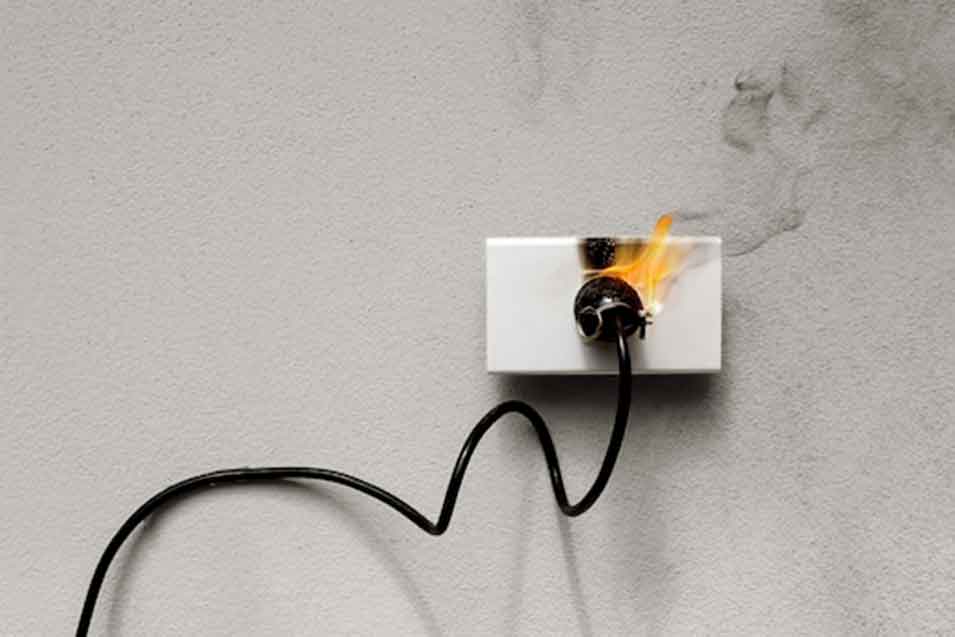
Understanding common electrical failures in older homes is crucial for risk prevention and effective planning. Professional consultation and advisory ensure informed decision-making, helping you avoid costly mistakes and enhance living quality. Ready to empower your home’s safety and comfort with expert insight?
Identifying Common Electrical Wiring Issues in Old Houses
Old houses often reveal distinctive challenges when it comes to electrical wiring, many of which stem from outdated installation methods and materials no longer compliant with current safety standards. One frequent issue is the presence of knob-and-tube wiring, a common technique used in homes built before the 1950s. This system lacks a grounding conductor, increasing the risk of shock hazards and making it incompatible with modern electrical demands.
Another concern involves the use of aluminum wiring, which became popular during the 1960s and 70s due to copper shortages.
Aluminum is prone to oxidation and expansion, which can loosen connections in outlets and switches, leading to overheating and potential fire hazards. Identifying signs like flickering lights, warm outlet covers, or discoloration can indicate compromised aluminum wiring.
Electrical panels in older homes may also suffer from capacity limitations or obsolete components. Many feature fuse boxes or early circuit breakers rated for lower amperages than modern appliances require.
This mismatch can cause frequent tripping or invisible overloads. Upgrading to a properly sized panel with arc fault circuit interrupters (AFCIs) enhances protection against electrical fires.
Wiring insulation degradation is common after decades, especially in environments with exposure to moisture or rodents.
Materials such as cloth-covered cables or early plastics can become brittle or cracked, exposing live conductors. Visual inspections revealing frayed, cracked, or discolored insulation warrant immediate professional assessment.
In some older properties, undocumented past modifications contribute to unsafe conditions.
Amateur wiring, spliced cables hidden inside walls, or improper grounding are often uncovered during thorough inspections. The absence of grounding means that surge protection is ineffective, and sensitive electronics may be at risk.
Recognizing these issues early enables homeowners to mitigate hazards before they escalate.
Professional electrical inspections leveraging advanced diagnostic tools can map the existing wiring layout and assess its integrity. Identifying overloaded circuits, improper grounding, or insufficient capacity allows tailored recommendations for repairs or upgrades ensuring safety and compliance with current codes.
Risks Associated with Outdated Electrical Panels and Breakers
Older electrical panels and breakers can pose significant hazards that often go unnoticed until a serious failure occurs. These outdated systems were typically designed for lower power demands and fewer connected devices, which no longer align with the electricity needs of modern households.
Over time, components such as circuit breakers and bus bars degrade, increasing the likelihood of overheating and failure. This degradation can manifest as flickering lights, unexpected breaker trips, or even persistent power outages, signaling an electrical system under stress.
One of the most pressing risks involves the reduced ability of old circuit breakers to interrupt electrical faults effectively.
Modern breakers are engineered with enhanced sensitivity and faster response times, minimizing damage and fire risk during overloads. In contrast, obsolete breakers may fail to disengage a circuit promptly, leading to excessive current flow and potentially igniting surrounding materials.
For example, certain panels manufactured decades ago, like the widely documented Federal Pacific Electric (FPE) Stab-Lok brand, have been found prone to failure and are linked to numerous household fires.
Another concern relates to electrical code updates that have occurred over the years. Panels installed according to standards from many years ago may lack grounding features, proper labeling, or sufficient capacity for today’s appliances, increasing the chance of accidental shocks or equipment damage.
Additionally, modifications and additions to an existing panel without professional evaluation can create overloaded circuits and unsafe wiring conditions.
Addressing these risks requires a professional assessment to determine whether panel replacement or targeted upgrades are necessary. Retrofitting with a modern panel that complies with current National Electrical Code (NEC) standards often substantially reduces fire hazards and improves system reliability. Upgraded breakers include arc-fault and ground-fault interruption technologies, which provide extra layers of protection against electrical faults and shocks, critical for households with vulnerable occupants or increased electrical usage.
Signs of Faulty Outlets and Their Impact on Home Safety
Older homes often feature electrical outlets that may show subtle or obvious signs of deterioration, directly affecting safety and functionality. One common indicator is loose or wobbly outlets, which can cause plugs to fall out easily and create intermittent connections. This instability often results from worn internal contacts or degraded mounting within the wall box.
Such outlets can generate sparks or small arcs, increasing the risk of electrical fires.
Discoloration or scorch marks around an outlet are serious warning signs. These marks indicate overheating or short circuits caused by poor contacts or overloaded circuits. For example, outlets that power multiple high-demand appliances without proper wiring can heat excessively, damaging the outlet and surrounding insulation, which elevates fire hazards significantly.
Another practical cue is frequent breaker trips linked to specific outlets.
This pattern suggests underlying wiring faults such as damaged insulation, loose connections, or internal outlet failures. In some older homes, outlets still lack modern safety features like ground fault circuit interrupters (GFCIs), which protect against shocks in damp environments.
The absence of these can be risky, especially in bathrooms or kitchens where water exposure is common.
Electrical outlets making a buzzing or crackling sound when in use represent another risk factor. This noise often signals arcing or poor contact inside the outlet.
Beyond annoying sounds, arcing generates heat and can ignite nearby materials. The National Fire Protection Association highlights that electrical failures involving outlets are among leading causes of home fires, emphasizing the importance of timely inspection and repair.
In addition, outlets with damaged or cracked casing compromise insulation, exposing internal wires. This condition poses immediate shock risks to residents and pets.
One practical approach is to test outlets using inexpensive receptacle testers, which reveal wiring errors such as reversed polarity or open grounds—common issues in older installations.
Effects of Corroded or Damaged Electrical Connections
Corroded or damaged electrical connections in older homes are a frequent yet often overlooked source of severe performance issues and safety hazards. Over time, exposure to moisture, oxidation, and thermal cycling can degrade wiring terminals, outlets, and junction boxes, leading to compromised electrical continuity and increased resistance at connection points.
This deterioration causes more than just intermittent power disruptions or flickering lights. When connections are weakened, the electrical current encounters resistance that generates excessive heat.
This localized heating can accelerate component failure and in extreme cases, ignite insulation materials or nearby combustibles, significantly raising the risk of electrical fires. In fact, the National Fire Protection Association (NFPA) highlights that poor electrical connections are among the leading causes of residential electrical fires, especially in aging buildings.
Besides fire hazards, corroded contacts affect the reliability of circuits.
Appliances or lighting fixtures may malfunction or operate below rated efficiency due to voltage drops linked to bad connections. For example, a kitchen outlet with corroded wiring may cause repeated trips on the circuit breaker or damage appliances plugged into it, undermining the safety of everyday household devices.
Older homes often have aluminum wiring or mixed metal connections, which are more prone to corrosion and galvanic reactions than modern copper wiring. This can lead to brittle wires and loose terminals, creating arcing conditions detectable only by specialized testing equipment during an electrical inspection.
Without prompt professional remediation, these faults typically worsen, making electrical systems unsafe and non-compliant with current building codes.
Addressing corrosion and damage requires a thorough inspection and testing by a licensed electrician. This includes assessing all accessible connections, tightening loose terminals, replacing degraded components, and upgrading wiring materials where feasible. Implementing corrosion-resistant terminals and applying dielectric grease can help prevent future deterioration, extending the lifespan of electrical installations in historic properties.
Upgrading Old Electrical Systems for Long-Term Reliability
Homes built decades ago often rely on outdated wiring methods and components, which can struggle to meet today’s electrical demands. Upgrading these old electrical systems is essential not just for preventing frequent outages or hazardous conditions, but for ensuring lasting performance and safety.
One common issue is the use of knob-and-tube wiring or aluminum conductors, both of which do not conform to modern safety standards and are prone to deterioration. Replacing these with copper wiring and updated insulation materials significantly reduces fire risks and improves load capacity.
Another critical element is the electrical panel or breaker box. Many older homes feature fuse boxes or panels with limited circuit breakers that cannot handle today’s proliferation of high-wattage devices and smart home technologies.
Upgrading to a modern panel with sufficient amperage (typically 100 to 200 amps) allows rooms and appliances to operate safely and efficiently without overloading the system. Additionally, modern panels support the integration of ground-fault circuit interrupters (GFCIs) and arc-fault circuit interrupters (AFCIs), which provide enhanced protection against shocks and electrical fires.
Grounding is another frequently overlooked aspect in vintage installations. Older homes may lack a proper grounding system, increasing the risk of electrical shock and equipment damage.
Installing dedicated grounding rods and ensuring the entire system is properly bonded connects the electrical infrastructure to the earth, offering a vital safety layer. A licensed electrician will conduct thorough inspections and tests to confirm compliance with the current National Electrical Code (NEC) or relevant regional standards.
Practical upgrades also include adding additional outlets and circuits to distribute power more evenly and reduce reliance on extension cords, which are common causes of overheating and failure.
When upgrades are planned thoughtfully, they not only mitigate frequent electrical failures but also boost property value and create a foundation capable of integrating future technologies—such as electric vehicle chargers or advanced security systems—without requiring costly rewiring later.
Preventing Electrical Fires Through Proper Maintenance
Electrical fires in older homes often emerge from deteriorated wiring, overburdened circuits, and outdated installations that no longer comply with current safety standards. Preventing these hazards hinges on diligent, regular maintenance guided by specialized knowledge and adherence to local electrical codes. One critical step involves scheduling comprehensive inspections by a licensed electrician experienced in historic wiring systems.
These professionals identify issues such as frayed insulation, corroded connections, and incompatible components that could ignite fires unnoticed.
Replacing outdated fuse boxes or knob-and-tube wiring with modern circuit breakers and grounded wiring drastically reduces the risk of overloads and arc faults. Additionally, circuit breakers equipped with arc-fault circuit interrupters (AFCIs) are designed to detect dangerous electrical arcs and shut off power before a fire can start.
Installing these devices as part of an upgrade not only enhances safety but also aligns the home with contemporary regulatory requirements.
Routine maintenance should also include cleaning and tightening electrical panel connections, which are common points of heat buildup leading to fires. Inspections must verify that wiring is not exposed to moisture or physical damage, conditions frequently found in basements or attics of older properties.
Homeowners should be vigilant about signs like flickering lights, burning odors, or frequently tripped breakers—these symptoms warrant immediate professional evaluation.
Integrating surge protectors safeguards sensitive devices from voltage spikes that may stress electrical systems. Similarly, limiting the use of extension cords and avoiding overloading power strips prevents excessive current flow.
Educational efforts on these practices contribute to fire prevention, especially in households unfamiliar with the unique risks of aged electrical infrastructure.
Maintaining a meticulous maintenance schedule, embracing timely upgrades, and fostering awareness of electrical safety form a holistic defense against potential fires. Such a proactive approach is essential to ensure the longevity and security of older homes’ electrical installations, protecting both property and occupants effectively.
Benefits of Installing Modern Circuit Protection Devices
Old houses often retain outdated electrical wiring and protection elements that may not meet modern safety standards. Installing contemporary circuit protection devices transforms not only the level of safety but also the overall performance and reliability of the electrical installation.
For example, replacing legacy fuses with modern arc-fault circuit interrupters (AFCIs) significantly reduces the risk of electrical fires caused by unintended arcing, a problem common in deteriorated wiring systems found in historic homes.
Modern devices like ground fault circuit interrupters (GFCIs) provide essential protection against electric shocks in areas with moisture exposure, such as kitchens or bathrooms. This type of protection is often absent in older systems, posing a serious hazard. Integrating GFCIs into specific circuits proactively prevents current leakage that can result in fatal accidents, enhancing both occupant safety and compliance with contemporary electrical codes.
Another advantage lies in the improved responsiveness and precision of current interrupters compared to traditional circuit breakers.
Newer models employ advanced sensing technologies that detect subtle irregularities, allowing them to trip faster and protect sensitive appliances from damage. This is particularly important for older residences where vintage appliances—sometimes valuable collectibles—need dependable protection to avoid costly repairs or replacements.
Aside from safety improvements, modern circuit protection devices offer easier maintenance and diagnostics. Many units incorporate visual indicators or communicate remotely with smart home systems, enabling homeowners or technicians to quickly identify faults and reduce downtime.
This practical benefit facilitates preventive care and reduces the often high costs associated with electrical troubleshooting in complex, aged wiring networks.
Extra fact:
More than 30% of electrical fires in residential buildings are linked to outdated wiring systems commonly found in old houses, prompting many regions to enforce stricter rewiring regulations under local building codes to enhance safety and reduce insurance premiums for homeowners.
Watch this related video:
Share this article with anyone you think is looking for this information.


