
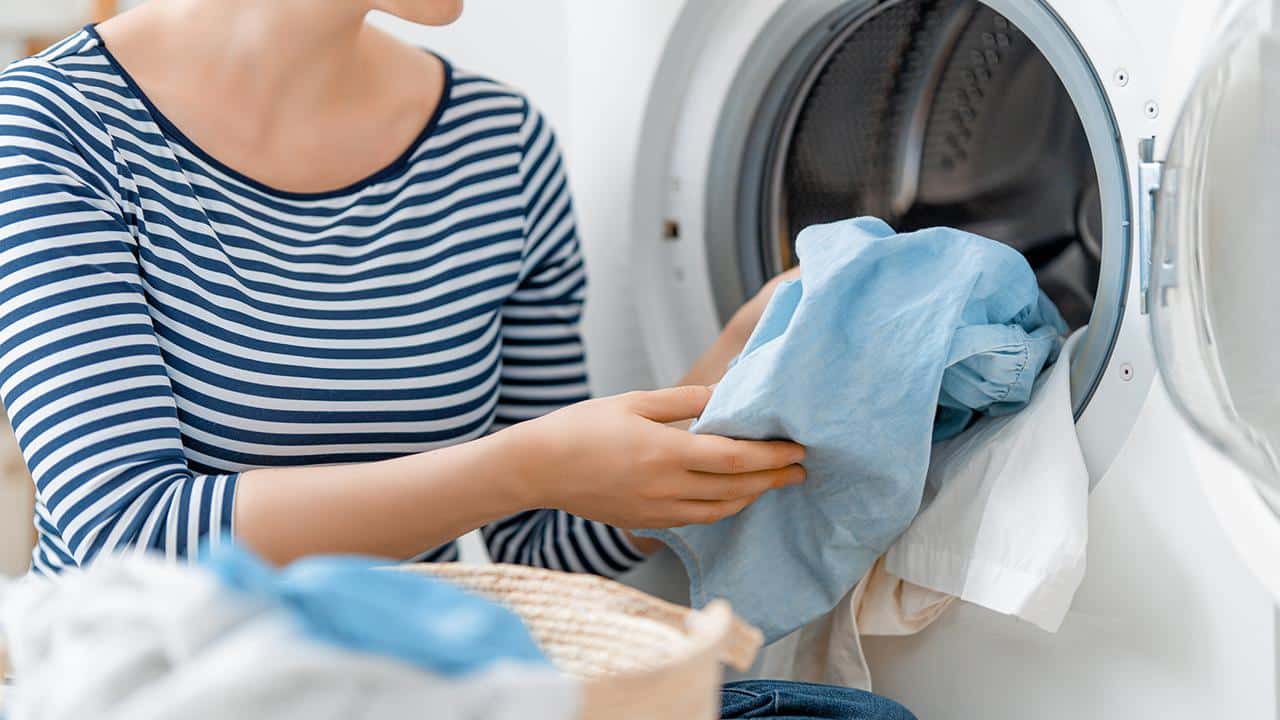
Effective planning and professional consultation are key to extending your washing machine’s lifespan, helping you avoid costly repairs through informed decision-making and risk prevention. Seeking expert advisory ensures practical solutions that enhance durability and quality of life. Ready to make every wash count?
Regular Cleaning and Maintenance for Washing Machines
Regular cleaning and maintenance are essential practices to maximize the lifespan of your washing machine and ensure optimal performance. Over time, detergent residues, fabric softeners, and mineral deposits from water can accumulate inside the drum, detergent drawer, and seals, creating an environment conducive to mold growth and unpleasant odors.
Performing routine maintenance helps prevent these issues while safeguarding the mechanical components.
For instance, running a monthly maintenance wash using a specialized washing machine cleaner or a mixture of white vinegar and baking soda can effectively eliminate built-up residues. This deep clean targets hidden parts such as the drum interior and the rubber gasket, areas where dirt and moisture tend to collect.
Be sure to run this empty cycle at the hottest available temperature to maximize sanitization.
Another key element is cleaning the detergent drawer regularly. Many users overlook this task, yet soap and softener buildup can clog the drawer and restrict proper dispensing.
Remove the drawer and rinse it under warm water, scrubbing with a toothbrush to reach crevices. This not only improves detergent efficiency but also prevents mold formation.
Drain and filter maintenance also plays a critical role.
If your washing machine includes a lint filter or pump filter, check and clean it monthly to avoid blockages that can lead to drainage problems or unusual noises. Consult the manufacturer’s manual to safely access and clean the filter, as improper handling might damage delicate parts.
Using Appropriate Detergents to Prevent Damage
Choosing the right detergent is a crucial factor in maintaining your washing machine’s integrity over time. Using inappropriate or excessive detergents can lead to residue buildup, clogged filters, and even damage to internal components like the drum or pump. Modern washing machines, especially high-efficiency (HE) models, require detergents specifically formulated to produce fewer suds and dissolve efficiently at lower water volumes.
Using standard detergents in these machines often causes over-foaming, which stresses the motor and can trigger error codes or malfunctions.
It’s important to select a detergent compatible with your washing machine’s guidelines—consult the user manual for recommended types. For example, if you own a front-loading machine, HE detergents are essential due to their chemical composition and controlled sudsing.
Powdered detergents sometimes leave mineral deposits, especially in areas with hard water, accelerating wear and necessitating more frequent maintenance. Liquid detergents can offer better solubility and reduce residue but must still match the machine’s requirements.
Another frequent issue arises from detergent overdosing. More detergent does not mean cleaner clothes but may cause foaming that leads to water not draining correctly, eventually damaging the drain pump and seals.
Many modern machines have sensors to detect excessive suds, but chronic misuse can still shorten the appliance’s lifespan. A practical guideline is to measure detergent accurately according to load size and soil level.
Using dosing balls or built-in compartments correctly prevents waste and machine strain.
Additionally, integrating mild detergent cycles with enzymatic cleaners can improve fabric care while mitigating mechanical stress. For users dealing with sensitive skin or allergies, hypoallergenic and phosphate-free detergents help maintain a balance between effective cleaning and machine preservation.
Inspecting and Replacing Worn Out Parts Timely
Over time, the various components of a washing machine undergo wear and tear due to constant mechanical movement, exposure to water, and detergent chemicals. Identifying signs of deterioration early and replacing worn-out parts promptly can prevent small issues from turning into costly repairs or complete machine failure.
Key elements requiring regular inspection include the drive belt, water inlet valves, door seals, and shock absorbers. For instance, a frayed or loose drive belt can cause unusual noises or hinder the drum’s rotation, indicating it should be replaced before it snaps and immobilizes the washer.
Failing to address compromised door gaskets often leads to water leaks, which not only damage flooring but also risk electrical components.
Checking these rubber seals for cracks or mold buildup every few months ensures the machine maintains watertight integrity. Similarly, sediment accumulation within water inlet valves reduces water flow and stresses the machine’s filling mechanisms, so cleaning or changing the valves helps maintain optimal hydraulic function and prolongs the appliance’s lifespan.
Shock absorbers and suspension springs play a critical role in stabilizing the drum during heavy spin cycles.
When these parts weaken or break, vibrations intensify, causing internal damage and noisy operation. Routine visual and operational checks to detect excessive drum movement can trigger timely replacement, safeguarding the transmission and bearings.
It is advisable to follow manufacturer guidelines for part maintenance intervals, but practical experience suggests a thorough inspection every six months is beneficial, especially in high-use households.
Engaging a certified technician during these inspections ensures accurate diagnosis and replacement using manufacturer-approved parts, preserving warranty coverage and functional integrity.
Avoiding Overloading to Protect Internal Components
One of the most critical factors affecting the longevity of your washing machine is how you manage its load capacity. Overloading a washing machine puts excessive strain on key internal components such as the drum bearings, motor, suspension springs, and transmission system.
These parts are designed to operate within specific weight limits; consistently exceeding those limits accelerates wear and can lead to costly repairs or premature failure.
For instance, when too many clothes are packed into the drum, the motor must work harder to spin the load, increasing energy use and generating excess heat. This additional effort can degrade vital parts like the motor brushes and belts. Similarly, overloaded drums create undue friction and imbalance during spinning cycles, which causes vibrations that stress the suspension and shock absorbers, leading to misalignment and damage over time.
Manufacturers typically specify maximum load capacities based on fabric type or weight (e.g., 7 kg cotton load).
Sticking to these guidelines is essential. To do so practically, users should weigh bulky items—such as blankets or heavy towels—separately and avoid mixing heavy and light fabrics in a single wash. This not only prevents overloading but also improves cleaning efficiency and reduces abrasion between clothes.
Some modern washing machines feature load-sensing technology that adjusts the water level and cycle duration based on detected weight.
While helpful, these systems are not foolproof in preventing mechanical stress from overloading. Manual judgment remains indispensable, especially in older models without advanced sensors.
Regularly checking the drum balance and ensuring even distribution of laundry during loading can also prevent unnecessary shaking and component fatigue.
A balanced load minimizes lateral forces that jeopardize the health of bearings and the drive system.
Extra fact:
In several countries, regulations mandate that manufacturers provide spare parts for household appliances like washing machines for at least 10 years after production ends, significantly impacting the machine’s longevity and repair costs for consumers. This legal framework encourages users to opt for repairs instead of replacements, enhancing sustainability and household budgeting.
Ensuring Proper Installation and Leveling of the Machine
Proper installation and precise leveling are fundamental steps that significantly impact the performance and longevity of your washing machine. A machine that isn’t correctly positioned can easily suffer from excessive vibrations, noisy operation, and accelerated wear of components such as the drum bearings and suspension system.
Begin by placing the machine on a firm, flat, and stable surface.
Avoid installation on uneven floors or carpets that can absorb vibrations but do not provide a stable base. Hard, level flooring like tile or concrete is ideal.
Use a spirit level to check the machine’s alignment from front to back and side to side. Most modern washing machines come with adjustable feet designed to compensate for floor irregularities. These should be carefully extended or retracted until the appliance sits perfectly balanced, preventing any rocking or tilting when loaded.
Failing to level the machine can cause the drum to spin unevenly, triggering the machine’s unbalance detection systems and cutting cycles short or stopping them altogether.
This not only wastes water and electricity but also strains the motor and transmission. Over time, this stress can lead to premature failure of these parts and increase repair costs.
When leveling, also ensure that the feet have secure contact with the floor while maintaining proper cushioning to dampen vibrations. Tightening the locking nuts on adjustable feet after leveling prevents them from shifting during operation.
Additionally, verify that the machine is positioned with enough clearance on all sides to allow proper air circulation and avoid overheating of the motor.
For installations in environments with particularly uneven or soft flooring, consider using specialized anti-vibration pads or mats beneath the machine. These accessories reduce movement and noise without compromising stability. If the washing machine is installed on a raised platform or within cabinetry, make sure the structure can support the machine’s weight and is impervious to water damage.
Following local electrical codes and guidelines during installation, especially when connecting to the power supply and water lines, ensures safety and reduces the risk of damage caused by electrical surges or leaks.
Consulting the manufacturer’s manual and, if in doubt, hiring a certified technician for installation guarantees that the washing machine operates under optimal conditions from day one.
Managing Water Quality to Reduce Mineral Buildup
Water mineral content, primarily hardness caused by calcium and magnesium ions, significantly impacts the longevity and performance of washing machines. Over time, these minerals accumulate inside the appliance, coating heating elements, pipes, and the drum. This buildup reduces heating efficiency, strains mechanical components, and can lead to costly repairs or premature failure.
One effective approach involves assessing the local water quality before installation.
Many regions provide water hardness reports through municipal water services or independent testing kits. Understanding whether your water is classified as soft, moderately hard, or hard allows you to select appropriate preventative measures tailored to your washing machine’s needs.
Water softening systems offer a proactive solution by removing excess minerals before the water enters the machine. Ion-exchange units, common in residential settings, replace calcium and magnesium ions with sodium ions, preventing scale formation.
While upfront investment is necessary, this method protects the entire household’s plumbing and appliances, not just the washing machine.
If installing a whole-house softener is not feasible, consider adding a targeted anti-scale filter or descaler device specifically designed for washing machines. These products use magnetic or electronic technologies to alter mineral structures, reducing their tendency to adhere and form deposits. Although evidence on long-term effectiveness varies, they can complement routine maintenance strategies.
Routine descaling treatments with specialized washing machine cleaners are essential, especially in areas with moderate to hard water.
These chemicals dissolve existing mineral layers, improving heating element function and water flow. For example, a monthly descaling cycle using citric acid-based or sulfamic acid-based products can noticeably extend the machine’s operating efficiency.
Additionally, customizing detergent usage plays an indirect role.
Detergents formulated for hard water contain agents that bind minerals, preventing interference with washing action and residue buildup. Excessive detergent can exacerbate mineral deposits, so following manufacturer guidelines based on water hardness ensures optimal cleaning without harming the machine.
By combining water quality management, preventive hardware, and smart maintenance, you can significantly reduce mineral buildup. This approach not only preserves the washing machine’s internal components but also supports consistent cleaning performance and energy efficiency throughout its service life.
Implementing Energy-Efficient Washing Practices
Operating a washing machine with energy efficiency not only reduces utility costs but also minimizes mechanical strain, directly contributing to the appliance’s longevity. One practical approach involves selecting the appropriate washing cycle tailored to the load size and soil level.
For example, using the eco-friendly or cold-water wash settings conserves energy by lowering water heating demands, which can account for a significant portion of a machine’s consumption. Such settings also reduce wear on internal heating elements, prolonging their function.
Another key practice is to avoid running underutilized loads.
Running a full, but not overloaded, drum maximizes water and energy output per wash. Overloading compresses clothes and strains the motor and bearings, accelerating wear and possibly causing imbalance issues.
Conversely, excessively small loads waste resources and may encourage frequent machine use, shortening its operational lifespan.
Regular maintenance aligned with energy-efficient practices includes timely cleaning of detergent dispensers and filters. Accumulated residues impair water flow and mechanical efficiency, forcing the machine to work harder during each cycle.
Employing high-efficiency (HE) detergents designed for low-suds operation also ensures optimal cleaning performance without unnecessary buildup that could impact internal components.
Consider the water temperature carefully: frequent high-temperature washes increase energy consumption and expedite degradation of rubber seals and hoses. Instead, reserve hot water cycles for heavily soiled items or sanitization needs only.
For everyday laundering, cooler settings suffice and maintain the integrity of machine parts.
Scheduling Professional Servicing for Long-Term Reliability
Regularly arranging professional servicing for your washing machine is a crucial step in ensuring its long-term reliability and avoiding costly breakdowns. While users often focus on everyday maintenance like cleaning filters or clearing detergent trays, it is the in-depth inspections and adjustments performed by certified technicians that can truly extend the appliance’s lifespan.
A comprehensive service visit involves checking components often unseen by the user, such as the internal drum bearings, electric motor, belts, and electronic control boards. For example, worn bearings can cause excessive noise and vibration, which if left untreated may lead to severe drum misalignment or motor strain.
A technician can identify early signs of wear and replace parts before damage cascades, safeguarding performance and efficiency.
Service professionals also ensure that the washing machine operates within manufacturer specifications. They verify water inlet pressures, proper drainage, and electrical connections, reducing the risk of malfunctions or safety hazards. Many manufacturers recommend servicing intervals between one to two years, depending on usage frequency and water quality conditions.
In regions with hard water, deposits can accumulate faster, making tailored advice from experts essential for preventing limescale buildup inside the machine.
Scheduling professional servicing precisely when recommended also keeps warranty agreements valid for newer models. Many warranties require documented routine maintenance to honor claims, so keeping records of inspections and repairs can provide peace of mind in case of unexpected failures.
When booking service, prioritize technicians with accreditation from recognized bodies or manufacturer certification programs.
This ensures familiarity with the specific model and access to genuine replacement parts. Choosing qualified professionals often results in quicker diagnosis and repairs, reducing downtime and protecting your investment.
Integrating professional servicing into your washing machine care routine balances preventative measures with expert intervention, delivering the optimum foundation for years of reliable operation.
Watch this related video:
If you enjoyed reading this article, don’t forget to share it with others.


