
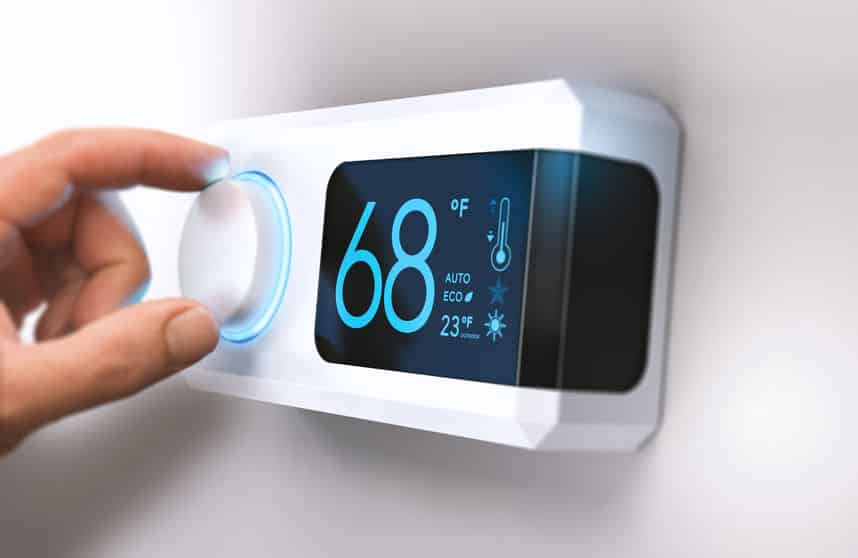
Understanding when to replace your thermostat is essential for effective planning and risk prevention in home comfort. Expert consultation and advisory help ensure informed decision-making, avoiding costly mistakes and enhancing quality of life. Ready to make smart choices that keep your environment perfectly controlled?
Signs Indicating the Need to Replace Your Thermostat
Recognizing when your thermostat requires replacement is essential to maintaining a comfortable and energy-efficient environment in your home or office. One of the most telling signs is inconsistent indoor temperatures despite adjustments. If your heating or cooling system frequently cycles on and off, or if rooms remain uncomfortably warm or cold even after setting the thermostat, this may indicate a malfunctioning sensor or outdated technology.
Another key indicator is the device’s age.
Thermostats generally have a functional lifespan between 10 to 15 years. Beyond that, even if the unit still appears operational, it often lacks modern features such as programmable scheduling or compatibility with smart home systems, which significantly improve energy savings and convenience.
Look out for physical signs such as an unresponsive display, erratic behavior like sudden temperature changes, or visible damage including corrosion or broken buttons. In some cases, the thermostat might no longer communicate properly with your HVAC system due to wiring issues or internal component wear, causing frequent system failures or inefficient operation.
It’s also worth noting any steep increases in your energy bills that cannot be explained by seasonal changes or usage habits.
Faulty thermostats can cause heating or cooling systems to run longer than necessary, driving up costs. Energy auditors often recommend checking the thermostat as part of a broader assessment when pinpointing the source of inefficiencies.
For households with specific needs, such as those managing allergies or elderly relatives, precise temperature control is critical.
If your thermostat fails to maintain stable conditions, it can directly affect health and comfort. In such scenarios, upgrading to a modern thermostat with reliable sensors and programmable features is advisable.
Lastly, many homeowners find that integrating a smart thermostat provides not only enhanced control through apps and voice assistants but also diagnostics that alert users to potential issues early.
If your current unit lacks these capabilities, replacement can offer both peace of mind and practical benefits over time.
Energy Efficiency Benefits of Upgrading to a Modern Thermostat
Upgrading to a modern thermostat can lead to significant improvements in energy efficiency, directly impacting both utility costs and environmental footprint. Contemporary thermostats offer advanced features such as adaptive scheduling, remote control through smartphone apps, and integration with smart home systems, which allow precise temperature management tailored to your daily routines and preferences.
For instance, programmable models enable users to set different temperatures for various times of the day, reducing energy consumption when the house is unoccupied or during nighttime.
This avoids unnecessary heating or cooling, which older manual thermostats cannot regulate effectively. Studies have shown that programmable thermostats can reduce heating and cooling costs by up to 10-15%, which amounts to substantial savings over a year.
Beyond scheduling, smart thermostats equipped with learning algorithms analyze occupancy patterns and external weather data to optimize operation dynamically. For example, some models adjust the HVAC system’s activity based on whether windows are open or closed or if someone is actually home, preventing energy waste.
Additionally, these devices often provide detailed reports and usage insights, empowering homeowners to identify inefficient periods or settings and make informed adjustments.
The improved accuracy of temperature sensors in modern thermostats also contributes to energy savings. Older models may fluctuate widely around the set temperature, leading systems to cycle on and off more often than necessary.
By maintaining a stable ambient temperature, modern thermostats reduce runtime for heating and cooling equipment, extending appliance lifespan and cutting down on power consumption.
Moreover, many utility companies offer rebates or incentives when homeowners install energy-efficient thermostats, enhancing the cost-benefit balance of upgrading. Incorporating such devices is increasingly recommended as a practical step within broader energy conservation strategies, especially in regions with variable climates or stringent energy regulations.
Common Technical Issues That Warrant Thermostat Replacement
Several technical problems signal that a thermostat may need replacement rather than repair. One common issue is inconsistent temperature control, where the thermostat either fails to maintain the set temperature or causes the HVAC system to cycle on and off erratically. This often results from aging sensors or faulty internal components unable to accurately detect the ambient temperature.
For instance, homeowners might notice rooms feeling unusually cold or hot despite setting the thermostat correctly, indicating that the device is no longer reliable.
Another frequent problem involves a thermostat that fails to power on or display correctly. Modern thermostats rely on batteries or a constant C-wire connection; a malfunction in power supply circuits or battery terminals can disrupt operations.
However, if replacing the batteries or checking wiring does not resolve intermittent or complete power loss, it typically suggests deeper hardware faults warranting a full replacement.
Calibration errors also merit consideration. Over time, mechanical or analog thermostats can drift from accurate calibration, meaning the temperature sensor no longer matches the room temperature within an acceptable margin. This discrepancy often leads to energy inefficiency, as heating or cooling might run excessively or insufficiently.
Digital thermostats may experience software glitches or frozen display screens that impede programming and responsiveness, both justifying an upgrade to newer models with enhanced precision.
Physical damage or corrosion from moisture exposure is another technical concern. For example, thermostats installed near kitchens, bathrooms, or outdoor HVAC units might suffer from rusted components or short circuits due to environmental factors. In such cases, repair may be temporary or impractical, making replacement the most cost-effective option.
Incorporating smart technology also affects the decision to replace.
Thermostats that lack compatibility with modern energy-management systems, voice assistants, or remote control features might technically function but fall short of user expectations and energy savings. Identifying these issues early helps homeowners and facility managers balance repair costs against the long-term benefits of upgrading to intuitive, connected devices.
Step-by-Step Process for Replacing a Thermostat Safely
Replacing a thermostat involves both mechanical and electrical steps that require caution and attention, especially when dealing with household wiring and heating or cooling systems. Before beginning, it’s essential to turn off the power supply at the circuit breaker to eliminate any risk of electric shock. Verify that the system is fully powered down by attempting to operate the HVAC system or checking that the thermostat display is off.
Start by carefully removing the thermostat cover.
Many modern units snap off easily, but older models might require a screwdriver. Take note of how the wires are connected, ideally using a smartphone to photograph the wiring arrangement. This step is crucial for reconnecting the new thermostat correctly.
Each wire serves a designated function—common ones include R (power), W (heat), Y (cool), and G (fan). Label the wires with masking tape if necessary to avoid confusion.
Once the thermostat base is detached from the wall, gently pull the wires through, taking care not to let them slip back inside the wall cavity. Inspect the wiring terminals on the new thermostat to ensure compatibility and match each wire according to your earlier documentation.
If the new thermostat requires a common wire (C-wire), and your setup lacks this, consider contacting a professional, as this involves modifying electrical configurations.
Secure the new thermostat base to the wall using provided screws or anchors, making sure it is level for proper operation. Connect the wires securely to their corresponding terminals, avoiding loose or exposed conductors. Reattach the thermostat cover and restore power at the circuit breaker.
Comparing Mechanical and Digital Thermostat Performance
When evaluating whether to replace your thermostat, understanding the differences in performance between mechanical and digital thermostats is critical, as it directly impacts both comfort and energy efficiency. Mechanical thermostats operate using a bimetallic strip or a coil that physically reacts to temperature changes, triggering the heating or cooling system accordingly.
While this technology has been reliable for decades, it tends to lack precision, often fluctuating by several degrees before activating HVAC components. This can lead to temperature swings that affect indoor comfort and increase energy consumption.
In contrast, digital thermostats utilize electronic sensors and microprocessors to measure temperature more accurately, often within 0.5 degrees Celsius.
This finer level of control enables the HVAC system to maintain a more stable indoor climate, reducing wasted energy caused by over- or under-heating. Advanced models also offer additional features such as programmable schedules, remote access via smartphone apps, and integration with home automation systems, which further optimize performance and convenience.
For example, a homeowner using a mechanical thermostat might notice their heating system cycling on and off frequently due to the device’s inherent temperature lag, resulting in uneven warmth throughout the day.
Replacing it with a digital thermostat capable of learning occupant patterns or adjusting automatically based on real-time feedback can reduce these inefficiencies, translating to measurable energy savings and enhanced comfort. From a maintenance perspective, digital units typically require less frequent calibration, though they are more sensitive to power issues and may require a battery backup.
Deciding between mechanical and digital options also involves considering the existing HVAC system compatibility and budget constraints. While mechanical thermostats have lower upfront costs and simpler installation, digital thermostats often yield a faster return on investment by improving system responsiveness and reducing utility bills.
Ultimately, a well-chosen digital thermostat serves as a long-term upgrade that aligns with modern standards for energy management and user experience.
Extra fact:
Thermostats older than 10 years may be less accurate by up to 5 degrees Celsius, which not only leads to inefficient heating or cooling but can increase your energy bills by nearly 15% annually—underscoring why some regional energy efficiency standards now mandate regular thermostat upgrades or calibration checks.
Impact of a Faulty Thermostat on Home Comfort and Utility Bills
A malfunctioning thermostat can significantly disrupt home comfort by causing irregular temperature fluctuations throughout the day. When a thermostat fails to accurately read or regulate the room temperature, heating or cooling systems may run longer than necessary or switch off prematurely.
This misalignment often results in rooms that are too hot or too cold, forcing occupants to frequently adjust settings in search of a stable environment. For example, a faulty thermostat stuck on a higher temperature may make a home feel overheated during winter, while one that inaccurately signals warmth might prevent the heater from activating, leading to chilly interiors.
The impact extends beyond comfort, directly influencing utility bills.
Systems that operate inefficiently due to thermostat errors consume more energy, leading to inflated costs. A heating stage running continuously to compensate for inaccurate temperature readings can increase your energy expenditure by up to 30%, depending on the size of your home and insulation quality.
Similarly, cooling mechanisms engaged unnecessarily or for extended periods during summer also escalate electric bills. This inefficiency not only burdens your budget but also contributes to higher carbon footprints, making thermostat maintenance or timely replacement a vital eco-friendly decision.
Modern thermostats incorporate advanced sensors and smart learning capabilities to optimize energy consumption by adjusting settings based on real-time data and user behavior.
When these features degrade because of sensor failure or outdated electronics, the system loses its adaptive efficiency, which is particularly noticeable in smart or programmable thermostats. Homeowners relying on Wi-Fi-enabled devices may encounter additional issues like connectivity disruptions that further impair the thermostat’s performance, emphasizing the necessity for regular diagnostics.
Delaying repair or replacement of a defective thermostat often leads to more extensive wear on HVAC components. Systems forced to work under incorrect conditions can experience premature failures in compressors, fans, or heating elements, compounding comfort challenges and repair expenses.
Proactive identification of problems—such as inconsistent temperature readings or unexplained spikes in energy use—serves as a practical guideline for when to assess your thermostat’s functionality and consider upgrading to newer, more reliable models designed to enhance both comfort and energy efficiency.
Choosing the Right Thermostat for Long-Term Household Savings
Selecting a thermostat that aligns with your household’s unique needs is crucial not only for comfort but also for maximizing energy savings over time. The right device can significantly reduce utility bills by optimizing heating and cooling patterns without compromising convenience.
To achieve these long-term savings, it is essential to understand the differences among the main thermostat types available: manual, programmable, and smart thermostats.
Manual thermostats offer basic temperature control, but require constant adjustment, often leading to inefficient energy use. Although less expensive upfront, these models generally don’t support automated scheduling and are prone to human error, which can increase costs in the long run.
Programmable thermostats mark a notable improvement by allowing users to set temperature schedules based on occupancy patterns. For example, you can program the system to reduce heating during working hours or overnight, and increase it before you return home or wake up.
This automation helps prevent energy waste and can lower heating and cooling expenses by up to 10–15%. When choosing one, ensure it offers enough time segments and temperature options to fit your household routine precisely.
The most advanced option, smart thermostats, integrates with Wi-Fi and mobile apps, providing remote control and learning capabilities. By analyzing your behavior and weather conditions, these devices fine-tune settings automatically, often resulting in energy savings of 20% or more.
Some models are compatible with home automation systems and voice assistants, enhancing both energy management and user convenience. For instance, smart thermostats can detect when you leave the house and adjust the temperature accordingly, helping avoid unnecessary energy consumption.
While smart thermostats require a higher initial investment and some technical setup, they deliver the greatest cumulative savings and user comfort over several years.
They also offer detailed energy usage reports, helping homeowners track their consumption and identify further optimization opportunities.
Watch this related video:
This article is just the beginning—share it and keep exploring more interesting topics.


