
Effective drainage care involves strategic planning and risk prevention to avoid costly blockages. Professional consultation offers valuable advisory insights, empowering informed decision-making and enhancing daily comfort. Ready to discover practical steps that safeguard your home and simplify maintenance?
Effective daily habits to prevent drain blockages
Avoiding drain blockages starts with the consistent application of practical habits that prevent debris accumulation and maintain optimal flow. One fundamental practice is to guard against the entry of grease and fats into the drain system. When cooking oils and fatty residues wash into kitchen sinks, they cool and solidify inside pipes, forming stubborn deposits.
Instead of rinsing oils down the drain, collect them in a container and dispose of them with household waste or recycling programs where available.
Another effective daily habit is the use of drain strainers or mesh screens to catch hair, food particles, and other solids before they enter the pipes. Regularly emptying and cleaning these strainers reduces the risk of gradual buildup, which is a common cause of slow drainage and eventual blockage in bathroom and kitchen sinks.
Running hot water through drains after each use plays a significant role in preventing residue buildup.
Hot water helps dissolve soap scum, grease residues, and other minor solids, flushing them down the pipes before they can adhere to the inner walls. Additionally, introducing natural cleaning agents like diluted white vinegar and baking soda on a weekly basis can break down organic matter inside the pipes without damaging plumbing or the environment.
Mindful disposal habits are crucial across household routines. Avoid flushing non-dissolvable items such as wipes, sanitary products, or excessive amounts of paper towels, which do not break down easily and can cause clogs far into the sewer system.
Encouraging all household members to contribute to these habits ensures consistent maintenance and reduces costly plumbing emergencies.
Lastly, periodic visual inspection and minor preventive maintenance—like using a hand snake for kitchen or bathroom drains—can remove early-stage blockages before they escalate. Professional plumbers often recommend preventive checks every six months, especially in homes with older plumbing, to ensure drains remain clear and functional long-term.
Extra fact:
In several U.S. states, including California and New York, local regulations now mandate the installation of grease traps in commercial kitchens to prevent drain clogs and protect municipal water treatment systems. These laws not only reduce costly repairs but also significantly minimize environmental pollution caused by grease accumulation, highlighting a proactive approach to everyday plumbing issues that homeowners can learn from.
Using natural remedies for regular drain maintenance
Maintaining drains with natural remedies offers an effective, eco-friendly alternative to harsh chemical cleaners that can damage pipes and the environment. One of the most popular and accessible methods involves using a combination of baking soda and white vinegar.
When these two household staples are poured into a drain sequentially, they create a fizzy reaction that helps loosen minor blockages caused by grease, hair, and soap scum. For best results, pour half a cup of baking soda directly into the drain, followed by half a cup of white vinegar. Allow the mixture to work for 15 to 30 minutes, then flush with boiling water to clear debris and restore proper flow.
Another gentle yet effective approach is regularly flushing drains with hot water.
This simple practice helps melt accumulated fats or oils that solidify inside pipes, especially in kitchen sinks. Combining hot water rinses with natural degreasers like lemon juice can improve outcomes; lemon’s natural acidity and fresh scent also combat odors common in slow drains.
Routine use of enzyme-based drain cleaners is a sustainable option to prevent clogs. These products contain live bacteria and enzymes that digest organic material such as hair, food particles, and grease without corroding pipes or septic systems.
Using enzyme cleaners monthly can maintain clear drains without harmful byproducts.
For households with stubborn odors or slow drainage, adding coarse salt before pouring baking soda and vinegar enhances the abrasive effect, helping to physically scrub pipe interiors when followed by hot water flushes. This combination maintains pipe integrity and reduces frequent service calls for blockages.
Natural remedies are especially recommended for regular upkeep in older homes with aging plumbing systems, where aggressive chemicals might exacerbate damage. Integrating these non-toxic solutions into your drain maintenance routine promotes healthier plumbing, reduces environmental impact, and saves on costly repairs over time.
Identifying common household items that cause clogs
Drain clogs often develop due to everyday household items that slip unnoticed down sinks, showers, or toilets. Understanding which materials are common culprits helps prevent blockages that can lead to costly plumbing repairs.
One of the most frequent offenders is grease and cooking oils. When poured down kitchen drains, these substances solidify as they cool, coating pipe interiors and trapping food particles. Unlike liquid waste, hardened grease accumulates steadily, narrowing the pipe diameter and eventually causing stagnation.
In bathrooms, hair plays a dominant role in clog formation.
Hair strands intertwine with soap scum and other debris, creating dense mats that resist water flow. Shower drains and bathroom sinks are particularly vulnerable since people frequently wash hair residues directly into them.
Using drain covers can intercept hair and minimize the buildup, avoiding blockages.
Another underestimated source involves non-flushable items such as wipes, cotton pads, dental floss, and feminine hygiene products. Despite labels indicating flushable, many wipers do not break down like toilet paper and can lodge tightly in sewer lines. This builds pressure at bends or joints, increasing clog risk and straining municipal wastewater systems.
Kitchen sinks also face issues with excessive food debris, especially fibrous materials like onion skins, celery strands, or coffee grounds.
These components resist grinding by disposals and can aggregate into dense masses. Regularly scraping plates before washing and limiting disposal use to soft food scraps contributes to clear drains.
In general, household maintenance and awareness about what enters the drainage system are critical.
Items such as paint residues, adhesives, and excessive amounts of toothpaste can also degrade pipe walls or accumulate over time. Being mindful of these factors allows homeowners to curb plumbing disruptions, extend pipe longevity, and avoid emergency interventions.
Step-by-step procedures for safe drain cleaning
Effective and safe drain cleaning begins with a clear understanding of the tools and techniques suitable for the specific type of clog. Initial steps should always focus on minimizing chemical use due to potential pipe damage and environmental concerns. Start by removing any visible debris near the drain entrance, such as hair or food particles, using gloves to ensure hygiene and avoid injury.
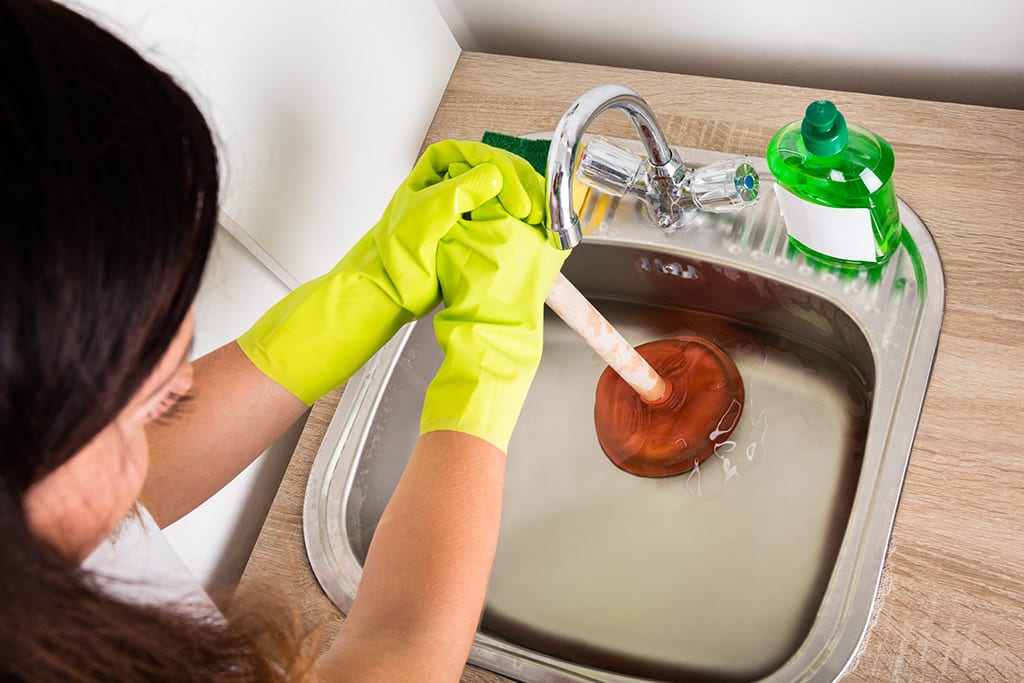
Next, employ a mechanical approach using a plunger for sinks or toilets.
Create a tight seal and apply controlled, consistent pressure to dislodge blockages. This simple tool can often resolve minor clogs without further intervention. If the plunger is ineffective, the next step involves a drain snake or auger—a flexible tool designed to reach deeper into pipes and break up or pull out obstructive material.
For residential use, a hand-crank model is sufficient and safer than powered alternatives, which can cause pipe damage if used improperly.
When handling these devices, carefully insert the snake to avoid scratching or puncturing the pipe walls, especially if the plumbing is older or made from softer materials like PVC. Rotate the tool gently upon resistance until debris loosens, then withdraw while retrieving the blockage. Flush the drain afterward with hot water to clear loosened residues and verify flow restoration.
In cases where mechanical methods fail, use specially formulated enzymatic or bacterial drain cleaners that digest organic buildup safely over time.
Avoid caustic chemical products, particularly in home plumbing, because they can corrode pipes and pose health hazards. Always read product labels thoroughly and ensure compatibility with your plumbing system.
Maintaining regular drain cleaning is critical. Schedule monthly clearing steps depending on usage and water hardness, as mineral deposits can accumulate and worsen clogs.
If persistent blockages occur despite safe home efforts, consulting a licensed plumber with specialized equipment like hydro-jetting or video inspection ensures comprehensive cleaning and damage prevention. This structured process protects both your plumbing investment and the environment.
Benefits of professional drain inspection and servicing
Engaging professional services for drain inspection and maintenance offers significant long-term advantages beyond simply addressing visible blockages. These experts use specialized tools such as closed-circuit television (CCTV) cameras to perform detailed internal examinations of pipes, identifying issues that homeowners or businesses might miss until they escalate. Early detection of cracks, corrosion, tree root intrusion, or sediment build-up can prevent costly repairs and extensive property damage.
Qualified technicians often apply non-invasive techniques that reduce the need for disruptive digging or dismantling, preserving landscaping and structural integrity.
They can also recommend tailored maintenance schedules based on the specific materials and age of your plumbing system, local soil conditions, and water quality. For example, in areas with hard water, routine descaling might be necessary to avoid mineral deposits narrowing the pipes.
Beyond reducing the risk of sudden clogs and slow drainage, professional servicing helps maintain proper hygiene and environmental standards. Stagnant water or recurring backups can promote bacterial growth and unpleasant odors, leading to health and comfort issues.
Professionals are trained to handle biologically sensitive waste or grease accumulations in compliance with regional regulations, ensuring safe disposal and reducing environmental impact.
Moreover, professional inspections can improve the efficiency of your entire plumbing system. Regular cleaning and servicing prevent excessive pressure build-up and leakage, which otherwise increase water bills and strain municipal infrastructure.
In commercial settings, this proactivity translates into minimizing downtime and safeguarding food safety or operational standards.
Choosing certified drain maintenance providers also means access to comprehensive reporting and transparent estimates. This clarity empowers property owners to prioritize interventions based on urgency, budget, and long-term planning. Ultimately, incorporating professional drain inspections into your property’s upkeep strategy builds resilience against unexpected plumbing failures while enhancing overall system performance.
Long-term solutions to reduce grease and hair buildup
Addressing the root causes of grease and hair accumulation in drains requires a combination of preventive habits and targeted interventions designed for long-term effectiveness. One fundamental step is installing and routinely maintaining physical barriers such as drain strainers. These devices catch larger debris like hair strands and solidified grease particles before they enter the plumbing system, significantly reducing buildup over time.
Regular cleaning of these strainers—ideally weekly—ensures they remain efficient and prevents the need for more invasive drain cleaning methods.
Beyond mechanical prevention, incorporating enzymatic or bio-based drain cleaners as part of periodic maintenance offers a sustainable way to break down organic residues without harming pipes or the environment. Unlike harsh chemical agents, these products use naturally occurring bacteria or enzymes that digest the fats, oils, and proteins forming grease deposits.
For example, applying an enzymatic cleaner once a month can keep your drains flowing smoothly by continuously dissolving fresh accumulations before they harden.
Addressing habits that contribute to buildup is equally important. Avoiding the disposal of cooking oils, fats, or greasy food scraps down kitchen sinks minimizes the primary source of blockages.
Instead, collect these substances in sealed containers for proper disposal or recycling. Similarly, in bathrooms, regular brushings to remove hair from brushes and combs prevent hair strands from shedding directly into the drain.
For households or businesses frequently facing drainage issues, investing in professional inspections using video pipe inspection technology can identify early-stage clogs and pipe damage that exacerbate buildup.
Professionals can then perform targeted cleaning with water jetting or mechanical augers, extending the life of pipes and minimizing future blockages.
Implementing these strategies in a coordinated fashion transforms drain maintenance from reactive clog removal into a proactive routine that optimally balances efficiency, cost, and environmental responsibility. This multifaceted approach not only preserves plumbing function but also avoids the disruption and expense associated with emergency drain repairs.
Choosing environmentally friendly products to protect plumbing
Maintaining clean and functional drains starts with selecting products that minimize harm to your plumbing system and the environment. Many conventional household cleaners contain harsh chemicals like hydrochloric acid, bleach, or sulfates, which can deteriorate pipes over time and disrupt beneficial bacteria essential for natural wastewater treatment.
Opting for environmentally friendly alternatives helps prevent pipe corrosion and reduces the buildup of residues that often lead to clogs.
Bio-based enzymatic drain cleaners are a prime example of safe products designed to protect plumbing. These formulations use natural enzymes and bacteria to break down organic matter—such as hair, grease, and food particles—without weakening pipe materials or generating toxic byproducts. Regular, moderate use of enzyme-based cleaners can maintain clear drains by continuously digesting buildup before it solidifies.
When choosing detergents, soaps, or grease removers, look for certifications like EPA Safer Choice or products labeled as phosphate-free and biodegradable.
Grease, a common culprit in drain clogs, can be managed by using grease-cutting agents derived from citrus or plant-based surfactants, which effectively emulsify fats without posing risks to the plumbing infrastructure.
Additionally, avoid pouring solvents, paint thinners, or other harsh chemicals down the drain—even occasionally—as they can cause pipe degradation and lead to system blockages over time. Instead, follow local disposal guidelines for hazardous waste to keep both your drainage and the environment safe.
Integrating these environmentally conscious choices not only safeguards your plumbing but also aligns with sustainable household practices. Over time, the investment in green products reduces the likelihood of costly pipe repairs and extends the lifespan of your drainage system while mitigating negative environmental impacts.
Watch this related video:
Did you like this article? Spread the word so more people can discover it.


