
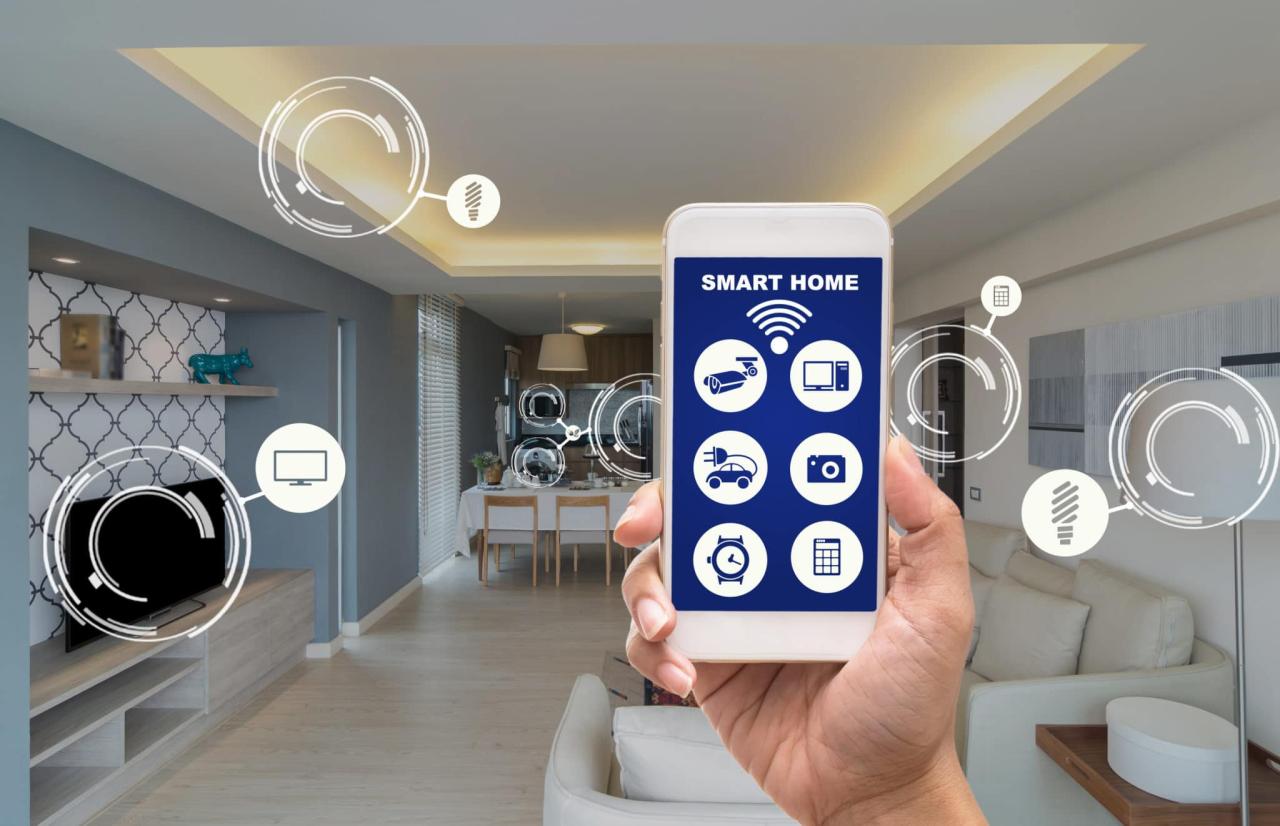
Choosing the right smart home devices involves careful planning and expert consultation to ensure informed decision-making, risk prevention, and enhanced daily comfort. How can professional advisory help you seamlessly integrate technology into your life and elevate your home experience?
Essential smart home devices for everyday convenience
Integrating the right smart home devices significantly enhances daily routines by automating tasks and boosting efficiency. Among the most impactful are smart speakers such as Amazon Echo or Google Nest, which serve as voice-controlled hubs to manage other smart gadgets, play music, set reminders, or control lighting without lifting a finger.
These devices support various virtual assistants that continuously improve with updates, making them increasingly intuitive and personalized.
Another cornerstone for convenience is the smart thermostat. Models like the Nest Learning Thermostat adapt to household patterns, optimizing heating and cooling schedules to conserve energy while ensuring comfort. Many come with geofencing capabilities, adjusting temperatures when residents leave or return home.
This not only lowers utility bills but also contributes to sustainable living practices.
For improved safety and remote supervision, smart security cameras have become indispensable. Advanced cameras offer real-time video streaming, motion detection alerts, and even facial recognition, accessible via smartphone apps. Brands such as Arlo and Ring provide systems that integrate seamlessly with other devices, enabling users to monitor entrances, deliveries, or children without interrupting their day.
Smart lighting solutions also play a pivotal role.
Adjustable LEDs can change color temperature and brightness according to time of day, enhancing productivity and well-being. Philips Hue is a prominent example, boasting extensive compatibility with automation platforms.
Users can schedule lights to simulate natural daylight cycles or create scenes tailored for relaxation or focus.
Finally, smart plugs add versatility by transforming traditional appliances into connected devices. They allow remote switching and energy consumption tracking, empowering users to manage power usage effectively.
This is especially useful for devices like coffee makers, fans, or lamps where automation simplifies habitual workflows.
Selecting these fundamental smart home elements lays a solid foundation for a connected environment that supports convenience, security, and energy management—key aspects for any modern household looking to embrace technology meaningfully.
Integration of smart devices with home repair systems
Integrating smart devices with home repair systems represents a transformative leap in maintaining and managing household functionality. Modern smart home technology extends beyond convenience, directly supporting preventative maintenance, real-time problem detection, and streamlined repair processes.
For homeowners and professionals alike, this integration reduces downtime, avoids costly damages, and enhances overall safety.
One practical example involves smart water sensors connected to a home’s plumbing system. These sensors continuously monitor moisture levels and detect leaks early, sending instant alerts to a homeowner’s smartphone or to a linked repair service provider. This immediate feedback allows for rapid intervention before water damage escalates, preventing expensive repairs and mold growth.
Similarly, smart thermostats integrated with HVAC maintenance modules can track system efficiency, identify filter degradation, or unusual performance patterns, prompting timely upkeep or automatic service scheduling.
Smart electrical panels equipped with diagnostic capabilities offer real-time monitoring of energy flow and can isolate faults or overloads. When coupled with digital repair platforms, these systems enable electricians to remotely assess issues and prepare appropriate replacement parts before arriving on-site, significantly reducing repair time.
Moreover, integrating smart locks with maintenance schedules ensures authorized access for technicians only, improving security during service visits.
This synergy between smart devices and repair systems also leverages data analytics and AI-powered diagnostics. Platforms that aggregate sensor data can predict component failures or maintenance needs based on usage trends, environmental factors, and historical repairs.
This predictive maintenance approach shifts home care from reactive fixes to proactive management, increasing asset longevity and reducing unexpected breakdowns.
Compliance with local building codes and safety regulations is crucial in integrating these technologies. Professional installation ensures that smart devices do not interfere with existing wiring or structural integrity and that alerts and automated actions meet safety standards.
As smart home ecosystems grow more complex, choosing interoperable devices following industry standards simplifies integration with repair services and future upgrades.
Energy-efficient smart gadgets that reduce utility costs
Integrating energy-efficient smart gadgets into your home is a practical approach to reducing utility expenses while enhancing comfort. Devices such as smart thermostats adapt to daily routines and local weather patterns, optimizing heating and cooling without sacrificing convenience.
For example, a smart thermostat like the Google Nest Learning Thermostat learns household patterns and automatically adjusts temperatures, which can decrease heating and cooling costs by up to 15%. This adaptability not only saves energy but also minimizes manual intervention.
Smart lighting systems contribute significantly to energy conservation by using sensors and timers to ensure lights are active only when needed.
Products like Philips Hue offer options to schedule lighting, dim scenes, and respond to occupancy, resulting in marked reductions in electricity consumption compared to traditional lighting setups. Users benefit from both cost savings and enhanced ambiance control tailored to their lifestyle.
Another notable innovation is the smart power strip, designed to eliminate standby power waste—a common source of unnecessary energy usage.
These devices automatically cut off power to electronics when not in use, preventing phantom loads that can increment monthly bills subtly but steadily. Certain models include remote control features, allowing for fine-tuned management through smartphone apps.
Water-saving smart devices also play a pivotal role. Smart irrigation controllers adjust watering schedules based on weather forecasts and soil moisture levels, curbing excessive water consumption and lowering both water utility and energy costs associated with pumping.
Systems such as Rachio Smart Sprinkler Controller demonstrate how data-driven irrigation supports sustainable household management.
Lastly, energy monitoring outlets provide real-time feedback on the power consumption of individual appliances, assisting homeowners in identifying inefficient devices and behavioral adjustments for optimal efficiency. This transparency encourages informed decisions and targeted upgrades, reinforcing the financial and environmental value of smart home integration.
Extra fact:
More than 20 states in the U.S. have enacted regulations requiring smart home devices, especially smart locks and cameras, to meet minimum cybersecurity standards to protect consumer privacy—a legal landscape many users overlook when choosing devices that integrate deeply into daily living.
Enhancing home security through connected smart technology
Integrating smart technology into home security transforms traditional protection methods into a dynamic, proactive system that adapts to real-time conditions and user behavior. Connected devices such as smart locks, video doorbells, and motion sensors create an interconnected network that can be monitored and controlled remotely through mobile applications, offering unprecedented control over home safety.
Smart locks, for example, enable homeowners to grant temporary access to visitors, service personnel, or family members without the need for physical keys.
These locks often include features like biometric authentication or unique digital keys, boosting security by reducing risks associated with lost or duplicated keys. Paired with door and window sensors, they can send instant alerts if unauthorized entry attempts occur, allowing swift responses.
Video doorbells equipped with high-definition cameras and two-way audio functions provide visual confirmation of visitors before door engagement.
Advanced models incorporate motion detection with AI algorithms to distinguish between familiar figures, strangers, or pets, minimizing false alarms. Integration with voice assistants allows for hands-free interaction, further simplifying day-to-day monitoring.
Beyond entry points, integrated smart security systems offer sensors for smoke, carbon monoxide, and flooding, enhancing overall home safety. These systems can trigger automatic actions—such as unlocking doors for emergency responders or shutting off water valves—to prevent damage or facilitate rescue efforts.
One crucial aspect is ensuring secure communication between devices.
Utilizing encrypted protocols and regular firmware updates prevents cyber vulnerabilities, which are essential considerations given the interconnected nature of smart homes.
Voice-controlled devices transforming household management
Voice-controlled devices have significantly reshaped how households manage daily tasks, offering greater convenience, efficiency, and accessibility. By integrating smart speakers, voice assistants, and compatible appliances, users can perform a variety of functions simply through spoken commands. Systems such as Amazon Alexa, Google Assistant, and Apple’s Siri serve as central hubs, connecting to lighting, thermostats, security cameras, and entertainment systems.
One of the transformative benefits is hands-free control, which proves invaluable when multitasking or when mobility is limited.
For example, a user can adjust the heating without manually interacting with a thermostat, or add items to a shopping list while preparing meals. This frees up time and reduces friction in daily routines. The ability to program routines—such as Good Morning commands that gradually raise lights, start a coffee maker, and provide weather updates—enhances personalized household management.
Beyond convenience, voice-controlled devices contribute to energy efficiency.
By syncing with smart thermostats and lighting systems, the house can optimize energy consumption based on occupancy or time of day, all orchestrated through voice commands or automated schedules. This integration helps to reduce utility costs and supports sustainability efforts.
Security also benefits from voice control. Users can arm alarms, check live camera feeds, or lock doors remotely without needing to navigate apps or physical controls, enabling faster response times.
Enhanced privacy features, like voice recognition and manual activation modes, address common concerns about always-on microphones, making these devices safer for family environments.
As interoperability standards advance, more devices from diverse manufacturers support voice command functionality, leading to increasingly unified smart home ecosystems. However, successful deployment requires careful selection of products that are compatible with the preferred voice platform, as well as attention to network reliability and data protection measures to create a seamless and trustworthy household management experience.
Automated maintenance alerts for proactive home repairs
Recent advances in smart home technology offer homeowners an invaluable tool for maintaining their property with minimal effort through automated maintenance alerts. These systems actively monitor critical components such as HVAC units, plumbing, electrical wiring, and appliances, detecting anomalies that often precede costly failures.
For example, smart thermostats equipped with diagnostic capabilities can identify irregular patterns in heating or cooling performance, signaling the need for filter replacements or compressor inspections before breakdowns occur.
Similarly, water leak detectors integrated into smart water shutoff systems notify homeowners immediately if moisture levels indicate a potential pipe rupture, allowing timely intervention that can prevent extensive water damage.
What distinguishes automated maintenance alerts from traditional reminders is their ability to combine sensor data with usage patterns over time, enabling a more granular and personalized approach. A smart refrigerator may track compressor cycles and temperature fluctuations, predicting when components require servicing. This level of insight helps extend appliance lifespans and improves energy efficiency by maintaining optimal operating conditions.
Beyond individual devices, centralized smart home hubs aggregate information from multiple sources, generating comprehensive reports that highlight upcoming repairs, warranty expirations, and recommended maintenance schedules.
Homeowners can receive these alerts through mobile apps or voice assistant notifications, integrating seamlessly into daily routines without intrusive interruptions.
Compliance with local building codes and warranty requirements also benefits from such proactive monitoring. Certain platforms offer automated logs for maintenance activities, simplifying tasks like preparing a house for sale or insurance claims after unexpected failures.
This documentation supports transparency and accountability while contributing to overall property value preservation.
Choosing smart devices with robust alert systems involves assessing compatibility with existing home infrastructure and evaluating how granular the sensor data is. Brands emphasizing real-time analytics and cloud-based machine learning tend to provide more accurate early warnings, a crucial feature for those looking to minimize emergency repairs.
Compatibility considerations for seamless smart home setup
When assembling a smart home, one of the critical challenges is ensuring that devices from different manufacturers work together seamlessly. Compatibility considerations go beyond just matching brand names—they involve connectivity protocols, platform integrations, and even physical interfaces like power and wiring standards.
The landscape of smart home technology includes numerous communication standards such as Wi-Fi, Zigbee, Z-Wave, and Bluetooth Low Energy (BLE). Each protocol has distinct advantages and limitations; for example, Zigbee and Z-Wave excel in low-power, mesh-network setups ideal for sensors and lighting, while Wi-Fi is common for high-bandwidth devices like cameras and voice assistants.
Before purchasing, verifying that all devices support a shared protocol or that a compatible hub exists to bridge protocols helps avoid compatibility issues that could disrupt automation scenarios.
Beyond connectivity, integration with smart home platforms such as Amazon Alexa, Google Assistant, and Apple HomeKit defines overall user experience and control flexibility. Some devices may support one platform but not others, limiting voice command compatibility or remote management through apps.
In practice, choosing devices aligned with a primary ecosystem simplifies setup and long-term maintenance, particularly if you rely on routines or scenes controlled via a single app.
Updates and firmware also play a key role in sustaining compatibility. Trusted manufacturers regularly release updates that expand functionality, patch security vulnerabilities, and ensure seamless communication between devices.
When evaluating devices, consider the vendor’s reputation for ongoing support, as outdated devices can become isolated or introduce security risks within your network.
Lastly, take into account local regulations and standards, especially for devices involving security and energy management. Certified devices that comply with regional electric codes or data protection laws provide peace of mind and prevent future legal complications.
Watch this related video:
Think this article could be useful to someone else? Share it!


