
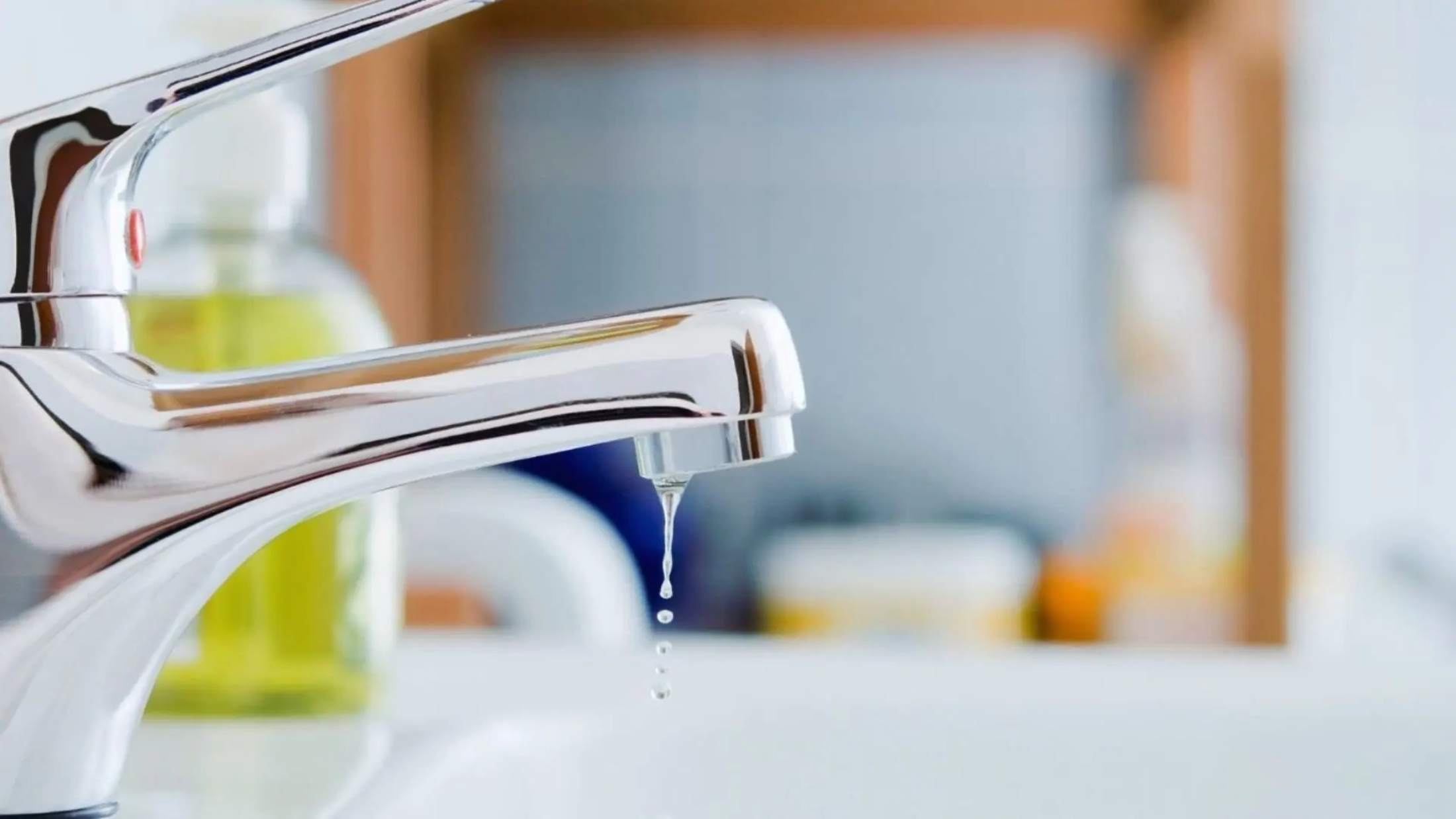
Addressing faucet leaks requires careful consultation and advisory to ensure effective fixes without costly errors. Proper planning and risk prevention not only save water and money but enhance daily comfort. Ready to make informed decisions that elevate your home’s quality and reliability?
Identifying Common Causes of Leaky Faucets in Homes
Leaky faucets are more than just a household annoyance—they can signal underlying issues that, if left unaddressed, lead to water waste and higher utility bills. Understanding the common causes of these drips is the first step toward an effective and lasting repair. One of the primary reasons for a faucet to drip is worn-out washers.
Over time, constant friction and pressure can degrade these small rubber or silicone components, preventing a tight seal and allowing water to escape even when the faucet is turned off.
Another frequent culprit lies within the cartridge or valve seat, which regulate water flow inside the faucet body. Mineral deposits from hard water can accumulate here, causing corrosion or creating rough surfaces that compromise the valve’s ability to close completely.
In older homes, metal parts may rust, further contributing to leaks. Identifying whether the drip stems from the spout base, the handle, or the faucet tip can guide accurate diagnosis and repair.
In addition to mechanical wear, installation errors can also cause persistent leaks.
For example, improperly tightened fittings or using incompatible replacement parts can prevent components from aligning correctly. This issue is particularly common with DIY fixes when homeowners unknowingly reuse damaged seals or fail to follow manufacturer specifications.
Occasionally, fluctuations in water pressure within the plumbing system trigger faucet leaks.
Sudden bursts of high pressure strain seals and joints, sometimes revealing vulnerabilities not evident under normal operation. Pressure regulators can mitigate this problem, but proper assessment by a qualified plumber is recommended to avoid repetitive leaks after repairs.
Recognizing these common causes facilitates targeted solutions, minimizing unnecessary part replacements and ensuring efficient faucet operation. Regular maintenance, such as cleaning aerators and checking seals annually, can extend the lifespan of faucets and prevent minor issues from escalating into costly repairs.
Extra fact:
Water leaks from a single faucet dripping once per second can waste over 3,000 gallons annually, enough to fill a small swimming pool; interestingly, some U.S. states mandate fixture efficiency standards that require homeowners to repair such leaks promptly to comply with water conservation laws, potentially avoiding fines while significantly reducing utility bills.
Step-by-Step Process for Replacing Faucet Washers
To effectively replace a faucet washer and stop a persistent drip, begin by shutting off the water supply to avoid any flooding or mess. Typically, you’ll find shutoff valves under the sink; turn these clockwise until fully closed.
If no local valve exists, you may need to turn off the main water supply to your home.
Next, open the faucet to drain any remaining water and relieve pressure. Using an adjustable wrench or a suitable spanner, carefully remove the faucet handle. Handles often have a decorative cap concealing a screw—gently pry it off with a flat-head screwdriver to access the fastening screw and remove it.
Once the handle is off, inspect the valve stem.
Some faucets will require using a packing tool or a screwdriver to detach retaining clips. Carefully unscrew the valve stem to expose the washer seated at its base. Depending on the faucet model, washers may be secured with a small screw or pressure-fitted.
Remove the old washer and note its size and thickness.
It’s best practice to take the old washer to your local hardware or plumbing supply to purchase an exact replacement. Using a washer that doesn’t match can lead to continued leaks or poor faucet performance.
Before installing the new washer, clean the valve seat and surrounding areas to remove mineral build-up or corrosion, which are common causes of leaks.
Lightly sanding the valve seat with fine-grit sandpaper can ensure a smooth surface and better seal.
Place the new washer in the valve stem and secure it firmly, but avoid overtightening which can damage the washer or stem components. Reassemble the valve stem and handle in reverse order, ensuring no parts remain loose that would cause operational issues.
Using Cartridge Replacement to Stop Persistent Drips
Persistent faucet drips often originate from a worn or damaged cartridge valve, which controls water flow inside many modern faucets, including single-handle models. Replacing this component is one of the most effective and durable solutions to stop leaks that basic fixes like tightening handles or replacing washers cannot resolve.
The cartridge functions as an internal regulator, opening and closing to mix hot and cold water through a series of seals and seats. Over time, mineral buildup, corrosion, or wear on these parts can cause irregular movement, preventing a perfect seal and resulting in water dripping even when the faucet is turned off.
Identifying signs such as difficulty turning the handle, inconsistent water temperature, or continuous dripping after adjustments typically indicates that cartridge replacement is necessary.
Accessing the cartridge generally requires first turning off the water supply to the faucet and then removing the handle using an appropriate tool. The removal process can vary depending on the faucet brand and model, so consulting the manufacturer’s manual or reliable online resources is advisable for precise instructions. Once exposed, the cartridge can be pulled out—sometimes with the help of a specialized puller tool—allowing for inspection or direct replacement.
When selecting a replacement cartridge, it is critical to match the exact model, as dimensions and fitting styles differ considerably across manufacturers.
Brands like Kohler, Moen, and Delta offer cartridges specific to their faucet lines, often identifiable through part numbers or visual features. Purchasing from authorized dealers or verified plumbing supply stores ensures quality and compatibility, preventing future leaks caused by improper fitting.
Installing the new cartridge involves reversing the removal steps and testing the faucet operation after restoring water pressure. A correctly fitted cartridge will move smoothly and eliminate drips.
For those unfamiliar with plumbing repairs, seeking help from a licensed plumber can avoid potential damage or wastage.
Essential Tools and Materials for Faucet Repairs
Addressing a leaky faucet promptly requires having the right tools and materials on hand. While the specific items needed can vary depending on the type of faucet—whether compression, cartridge, ball, or ceramic disk—certain essentials remain consistent across most repair jobs. A reliable adjustable wrench or basin wrench is indispensable for loosening and tightening nuts in tight, difficult-to-reach spots under the sink.
For faucets with smaller or delicate components, a set of precision screwdrivers aids in carefully removing screws without damaging the fixture.
Because most leaks stem from worn seals or washers, carrying an assortment of replacement washers, O-rings, and cartridge seals is crucial. These parts are often inexpensive, but vital to restoring a faucet’s watertight integrity. When selecting replacements, comparing the old parts to new ones ensures a perfect match, preventing recurring leaks.
A spool of durable plumber’s tape (PTFE tape) is another essential material used for sealing threaded connections, eliminating minor drips at joint interfaces.
Modern faucets sometimes require specific tools such as a cartridge puller or snap ring pliers especially designed to safely extract certain internal components without risk of damage. Having these on hand reduces the risk of complications during the repair process.
For cosmetic and functional restoration, a pipe wrench and a silicone grease are particularly useful—grease helps lubricate valve stems and O-rings, extending the repair’s lifespan.
Don’t overlook the importance of basic safety and preparation materials: a bucket or container to catch residual water after shutting off the supply valves prevents messes, and a few clean rags or cloths assist with cleanup and drying surfaces. Collecting these tools and materials before starting repairs can significantly streamline the work and increase the likelihood of a successful, durable fix.
Preventive Maintenance Tips to Avoid Future Leaks
Regular upkeep is essential to extend the life of your faucets and prevent the frustration and costs associated with leaks. One important step is to periodically check the faucet’s components, especially the washers, valve seats, and O-rings, which are common culprits for leaks. For example, mineral buildup from hard water can cause washers to become brittle or seats to corrode, leading to dripping even when the faucet is off.
Removing and inspecting these parts every six months helps identify wear early before a persistent leak develops.
Another effective preventive measure is to avoid overtightening handle nuts and valve stems during installation or repairs. Applying too much force can damage internal seals or distort the faucet’s alignment, creating pathways for water to escape over time.
Using a torque wrench or following manufacturer-recommended tightening specifications prevents unnecessary strain and ensures a snug, leak-free fit.
Maintaining water pressure within recommended limits is also crucial. Excessively high water pressure—often above 80 psi—puts constant stress on faucet seals and joints, accelerating deterioration.
Installing a pressure regulator valve can stabilize pressure, safeguarding not just faucets but other plumbing fixtures as well. Frequent pressure fluctuations caused by municipal supply inconsistencies or pump systems demand particular attention to this detail.
In addition, routinely cleaning aerators and spouts helps prevent sediment buildup that might cause blockages and uneven flow. Over time, trapped debris can force the faucet’s internal components out of alignment, leading to leaks around the base or handles.
Removing the aerator and soaking it in vinegar to dissolve mineral deposits, followed by gentle scrubbing, preserves smooth operation and leak prevention.
Lastly, remember that proactive identification of minor drips and addressing them promptly can stop more complicated breakdowns. Setting reminders for seasonal inspections and keeping basic repair tools on hand empowers homeowners to act quickly, reducing water waste and avoiding emergency plumbing calls.
Comparing Different Faucet Types and Their Repair Methods
Faucets come in diverse designs, each with distinctive components that influence both their functionality and repair techniques. Understanding these differences is essential when addressing leaks efficiently, avoiding unnecessary part replacements, and saving time.
One of the most common types is the compression faucet, often found in older homes.
It features two separate handles controlling hot and cold water, relying on rubber washers to seal against the valve seat. Leaks here typically result from worn washers or corroded valve seats. Repair involves disassembling the handle, inspecting the washer for wear, and replacing it if hardened or cracked.
Real-world scenarios often show that simply tightening the packing nut without replacing washers leads to recurring drips.
In contrast, ball faucets, prevalent in kitchen sinks, use a single handle and a rotating ball inside the valve. Leaks can arise from worn-out seals or valves inside the ball mechanism. Effective repair entails removing the handle assembly, inspecting the seals, and replacing the O-rings or cam washers designed specifically for the model.
Due to their complex internal design, sourcing the correct repair kit matched to the faucet brand ensures a lasting fix.
Cartridge faucets, available in single or double-handle variants, operate with a movable cartridge that controls water flow. A steady leak often points to faulty cartridges or worn O-rings.
Repair involves extracting the cartridge with special tools, cleaning mineral buildup, and either replacing the cartridge or seals. Compared to compression faucets, cartridge repairs are faster and parts more standardized but require careful cartridge identification to avoid compatibility issues.
Disc faucets, the most recent innovation, utilize ceramic discs inside the cartridge for smooth operation and durability. While less prone to leaks, issues occur primarily from debris between the discs.
Clearing mineral deposits or replacing the ceramic cartridge can restore function. Their advanced design means fewer repairs, but when needed, it requires precision and often a manufacturer-specific cartridge.
Choosing repair methods aligned with the faucet type not only resolves leaks effectively but also extends the fixture’s lifespan.
For instance, investing in a suitable cartridge replacement for disc or cartridge faucets avoids ongoing water damage caused by partial fixes. In practice, identifying the faucet type before purchasing parts or starting repairs is a critical first step, ensuring targeted interventions that match the hardware’s mechanics.
Cost-Effective Solutions for Quick Faucet Leak Fixes
Addressing a leaking faucet quickly and economically starts with understanding the root cause of the drip. Most leaks arise from simple issues like worn-out washers, damaged O-rings, or mineral buildup interfering with the valve mechanism.
Instead of immediately replacing the entire faucet, targeted repairs can drastically reduce both parts and labor expenses.
For example, replacing a faulty washer—a small rubber or silicone ring that seals the valve—often costs just a few dollars. This fix requires basic tools like an adjustable wrench and screwdriver, making it feasible for beginners or those with modest DIY skills. Similarly, changing the O-ring, usually located in the handle, can stop leaks caused by loose or deteriorated seals without professional intervention.
In regions with hard water, mineral deposits frequently cause leaks.
A practical and cost-effective step involves removing the faucet’s aerator and soaking it in vinegar to dissolve buildup. This cleaning restores a tight seal and improves water flow, eliminating leakage caused by obstruction. Such maintenance can be performed with minimal expense and often prevents the need for more complex repairs.
When purchasing replacement parts, sourcing them from local hardware stores or online suppliers specialized in plumbing ensures compatibility and durability.
Opting for brand-specific components recommended by manufacturers avoids issues with fit and function. Additionally, some retailers provide repair kits containing washers, O-rings, and tools tailored for common faucet brands, representing a smart investment that reduces repeated trips and costs.
If the faucet uses cartridge, ceramic disk, or compression valve types, identifying the precise mechanism allows ordering the correct repair parts and instructions. This knowledge prevents unnecessary trial-and-error and keeps the repair timeline short, which is essential for minimizing water waste and utility costs during ongoing leaks.
Watch this related video:
This article could make a difference for someone. Don’t hesitate—share it! ✨


