
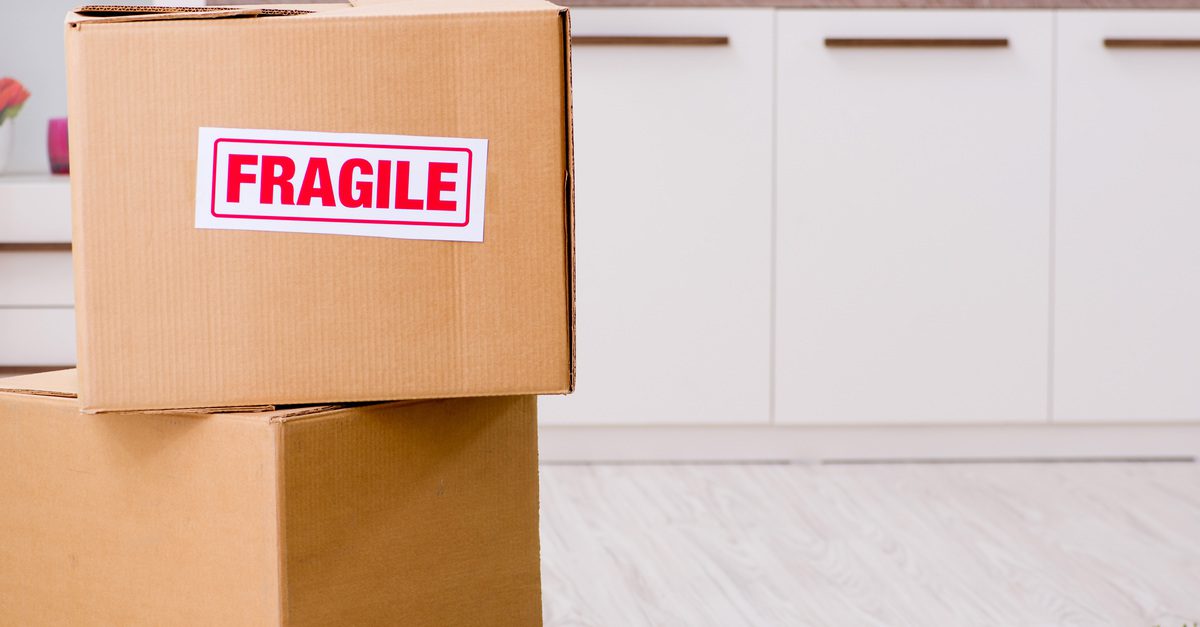
Navigating the challenges of relocating delicate belongings requires expert consultation and careful planning to ensure risk prevention and informed decision-making. With professional advisory, you can avoid costly mistakes and enhance your moving experience. Ready to safeguard your valuables with confidence?
Essential packing materials for protecting fragile household items
When preparing to move delicate household items, selecting the right packing materials is crucial to prevent damage and ensure safe transport.
Bubble wrap remains a cornerstone for cushioning fragile objects like glassware, ceramics, and electronics. Its air-filled pockets absorb shocks effectively, but wrapping densely and securing with tape at critical stress points enhances protection significantly.
Foam sheets and rolls provide an excellent extra layer for flat or irregularly shaped items, such as framed pictures or mirrors.
Unlike bubble wrap, foam’s softer texture helps avoid surface scratches while maintaining flexibility. Using foam corners or edge protectors additionally guards vulnerable edges from impacts during loading or unloading.
For heavy or oddly sized fragile pieces, corrugated cardboard sheets and custom-sized boxes offer rigid support. Double- or triple-walled boxes increase resistance to external forces, especially essential for antiques or valuable kitchenware.
Consider adding cardboard dividers inside boxes to separate individual items and reduce movement.
Packing paper is a versatile, eco-friendly filler widely used to wrap items or fill voids within boxes to prevent shifting. Unlike newspaper, packing paper won’t transfer ink or stains.
It’s ideal for stuffing glass bottles or delicate ceramics, cushioning without causing abrasion.
Tape selection is often overlooked but vital. High-quality packing tape such as reinforced or water-resistant variants secures wrapping materials firmly without peeling off during transit. Fragile item packages benefit from extra taping on seams and edges to maintain integrity.
Complementing these materials, using plastic stretch wrap helps keep grouped items stable on moving dollies or inside boxes and adds a moisture barrier crucial for wooden or vintage objects.
Combining these specialized packing materials tailored to each fragile item type forms the foundation of a damage-free move, aligning perfectly with expert moving practices recommended by logistics and relocation professionals.
Step-by-step techniques for safely wrapping delicate belongings
Begin by selecting the appropriate wrapping materials tailored to the nature of each delicate item. For example, use acid-free tissue paper for fine china or antiques to prevent chemical reactions, and bubble wrap with small bubbles for fragile electronics to provide optimal cushioning without excess bulk.
Avoid newspaper, as the ink might transfer or cause stains.
Lay each item on a soft surface and gently cover it with a layer of tissue paper. Ensure the entire surface is protected, especially any protruding or detailed parts such as handles or rims.
Next, wrap the item securely in bubble wrap. For irregularly shaped objects, use multiple overlapping layers, securing them with low-residue tape to avoid damaging the surface when unwrapped. A practical tip for stemware is to wrap each glass individually and stuff the inside with crumpled tissue to maintain structure.
When wrapping flat items like picture frames or mirrors, place a cardboard sheet over the glass surface before applying bubble wrap to prevent scratches and impact damage.
Secure the wrap but avoid making it too tight, as this can transfer pressure and lead to cracks.
For wrapping delicate fabrics or textiles, wrap them in acid-free paper and avoid plastic, which can trap moisture and promote mold growth during transit. For example, vintage clothing benefits from this approach to maintain fabric integrity.
Finally, never forget proper labeling.
Use a permanent marker to mark each package as Fragile and indicate the contents and correct orientation—for instance, This Side Up. This small attention helps movers handle the packages correctly and reduces the risk of mishandling.
By combining attention to material choice, layering techniques, and clear labeling, you create a reliable system that minimizes the chance of damage and eases the unpacking process.
These step-by-step practices reflect industry standards followed by professional packers and can significantly enhance the safety of delicate belongings during any move.
Best practices for organizing and labeling fragile boxes effectively
Effectively organizing and labeling fragile boxes plays a pivotal role in safeguarding delicate belongings during a move. Start by selecting boxes specifically designed for fragility, such as double-walled corrugated cardboard containers or specialized moving crates. These provide extra cushioning and resistance against external pressure.
Wrap each fragile item individually using bubble wrap, foam sheets, or packing paper to create a protective barrier that minimizes movement within the box. When placing items inside, arrange heavier pieces at the bottom and lighter objects atop to prevent crushing.
Labeling boxes with clarity is equally critical.
Use large, bold markers to write Fragile prominently on all sides of the box to ensure handlers recognize the need for gentle treatment. Including a brief content description like Glassware – Kitchen or Porcelain Figurines enhances inventory control and aids in careful unpacking. For added sophistication, color-coded stickers can signify priority levels or room destination, streamlining logistics when unloading and storing.
To avoid confusion among numerous packages, maintain a detailed packing list referencing each box’s label number and contents.
This helps movers and you track fragile items swiftly, reducing the risk of misplacement or damage. Additionally, use padding materials such as crumpled paper or air pillows to fill voids, preventing items from shifting inside the box during transit and handling.
When stacking fragile boxes, position them on top of sturdier, non-fragile boxes.
Avoid placing heavy items above these to prevent accidental crushing. Communicate with professional movers about the fragility of certain packages and request careful placement in the moving vehicle. They often have protocols and equipment, like specialized racks or padded dollies, to maintain item integrity.
Following these methods not only protects valuable or sentimental fragile items but also reduces stress and costs related to damages.
Practicing meticulous organization and clear labeling ensures a smoother transition, letting your precious belongings arrive safely and ready for immediate use in your new environment.
Methods for cushioning and securing fragile items during transport
Effectively protecting fragile items during transport requires a combination of appropriate materials, precise packing techniques, and strategic securing methods. The overarching goal is to absorb shocks, prevent movement, and avoid direct pressure on delicate surfaces.
Utilizing high-quality cushioning materials such as bubble wrap, foam padding, or corrugated cardboard inserts is essential. Wrapping each item individually with multiple layers of cushioning not only safeguards against impact but also reduces friction between objects.
For smaller glassware or ceramics, placing them upright in designated compartments within sturdy boxes enhances protection. Specialized boxes with dividers, often used for wine bottles, can be adapted for delicate items like vases or fine china.
These dividers prevent contact between items and absorb vibration during transit. When standard boxes are insufficient, customized wooden crates lined with foam provide an extra level of security for high-value or unusually shaped fragile goods.
Securing fragile boxes inside the moving vehicle is equally important. Employing anti-slip mats on the vehicle floor prevents boxes from sliding, while strategically placed straps help immobilize heavier packages.
Layering heavier boxes at the bottom and lighter, fragile ones on top creates a stable stack, reducing the risk of crushing. Additionally, leaving slight space between boxes but filling gaps with packing peanuts or crumpled kraft paper ensures that boxes do not shift during transport.
In scenarios involving extreme fragility or long-distance moves, using shock sensors on boxes can alert handlers to potential drops or severe vibrations, prompting careful handling. Furthermore, clearly labeling boxes with Fragile and This Side Up indicators guides movers to maintain proper orientation and handle with care.
Combining these proven cushioning and securing methods increases the likelihood that fragile possessions arrive intact and preserves their value throughout the moving process.
Extra fact:
In several U.S. states, special regulations require movers to carry specific insurance coverage for fragile items, including glassware and antiques, with some policies mandating compensation limits significantly higher than standard household goods. This often-overlooked requirement ensures that customers receive adequate protection against breakage during transit, making it essential to verify your mover’s compliance before scheduling fragile item transport.
Tips for handling valuable glassware and ceramics with care
Valuable glassware and ceramics demand meticulous attention during a move to preserve their condition and monetary worth. Start by selecting the right packing materials—opt for high-quality, acid-free tissue paper or soft, lint-free cloths to wrap each item individually. Avoid newspaper as ink transfer can cause permanent staining, especially on delicate surfaces like porcelain or hand-painted glass.
After wrapping, cushion each piece with bubble wrap or foam sheets, ensuring protection from sudden shocks.
When choosing boxes, sturdy double-walled corrugated containers tailored for fragile goods offer crucial protection. Line the bottom and sides of each box with cushioning material such as packing peanuts, foam inserts, or crumpled paper to create a shock-absorbing base. Place heavier, sturdier pieces at the bottom and lighter, more delicate items on top, never stacking glassware or ceramics beyond their breaking points.
To maximize stability, pack items vertically rather than horizontally to reduce the chance of pressure points causing cracks.
During packing, avoid overfilling boxes which can exert pressure and cause breakage. Leave enough space so each item is snug but not cramped, with padding filling any voids to prevent shifting.
For nested ceramic bowls or cups, insert disposable foam or paper between pieces—never rely solely on stacking to save space. Label boxes clearly with Fragile, Glassware, or Ceramics, and add handling instructions for movers, including This Side Up where applicable.
Transport considerations are equally important.
Keep fragile items secure and separated from heavy household goods, which could shift and crush delicate pieces. Ideally, move packed valuables inside the vehicle’s cabin or in a position free from vibrations and sudden impacts. For extremely valuable or antique glassware, consider custom crates or specialty moving services that provide climate control and advanced shock absorption, preventing damage due to temperature changes or rough handling.
Documenting the condition of valuable glassware and ceramics through detailed photographs and descriptions prior to packing provides insurance support and peace of mind.
This practice allows you to verify any damage upon unpacking and facilitates claims if necessary. Ultimately, combining proper materials, thoughtful packing methods, and clear communication with your movers forms the foundation for safely relocating these fragile treasures.
Strategies to prevent damage to electronics and appliances
Electronics and appliances require special care during a move to avoid damage caused by shocks, moisture, or improper handling. One of the most effective strategies is to use the original packaging when available since these boxes are designed to provide optimal protection, including custom-fit foam inserts or compartments. If the original packaging is not accessible, using high-quality packing materials such as bubble wrap, anti-static foam, and sturdy double-walled boxes can significantly reduce the risk of impact damage or electrostatic discharge.
Before packing, it is essential to prepare each device properly.
For example, unplug all cords and peripherals, and remove batteries or accessories that could shift or cause corrosion. In the case of appliances like refrigerators or washing machines, following specific manufacturer guidelines is critical—this often involves securing movable parts, draining fluids, and ensuring the appliance is dry to prevent internal damage or mold growth.
Labeling boxes clearly with Fragile and This Side Up is only part of the solution; ensure that movers are informed about the contents and the level of care required. When possible, transport high-value electronics in a climate-controlled vehicle as extreme temperatures or humidity can harm sensitive components such as circuit boards or screens.
To prevent internal damage from vibrations or shocks, place electronics on the top layer of your moving boxes and pad them with foam or clothing on all sides to avoid direct contact with hard surfaces.
Avoid overpacking boxes to reduce pressure on delicate parts. For added safety, consider using specialized hard cases with custom foam inserts for expensive audiovisual equipment or computers.
During the move, avoid stacking heavy items on top of electronics and appliances. When positioning these items in a moving truck, secure them with straps to prevent shifting.
Finally, after relocation, allow electronic devices to reach room temperature before reconnecting or powering on, especially if they have been exposed to cold environments during transit. This practice helps prevent condensation that could damage internal circuits.
Professional advice on loading fragile items into moving vehicles
Loading fragile items into moving vehicles demands deliberate attention to both the packing materials and loading techniques to prevent damage during transit. The first step is to ensure that all fragile goods—such as glassware, ceramics, and electronics—are securely wrapped with multiple layers of bubble wrap or foam padding. Avoid using newspaper alone, as ink transfer and insufficient cushioning can cause scratches and breakage.
After wrapping, placing items in sturdy, appropriately sized boxes with dividers or cushioning inserts maintains individual protection and prevents shifting.
When arranging these boxes in the moving vehicle, placing heavier and sturdier items at the bottom creates a stable base. Lighter and more delicate boxes should be positioned on top to reduce compression risks.
It’s crucial to fill all gaps with soft materials like blankets, moving pads, or air cushions to immobilize boxes and minimize vibration. For larger fragile objects—such as mirrors or framed artwork—using specialized crates or moving blankets secured with straps helps protect against shocks and sudden movements.
Professional movers often recommend loading fragile items last so they can be unloaded first and handled with extra care at the destination.
They also advise labeling all fragile boxes clearly with Fragile and specifying which side should face up to guide proper stacking and handling throughout the move. Using vertical loading racks or suspending certain fragile pieces within the vehicle is another method to avoid pressure points and jolts.
Additionally, it’s vital to monitor the vehicle’s driving style—avoiding sharp turns, sudden brakes, and rough roads whenever possible—to reduce the risk of jolting fragile contents. Employing a vehicle equipped with an air-ride suspension system can significantly improve shock absorption during transit.
Adopting these professional loading strategies increases the likelihood of fragile possessions arriving intact and relieves stress associated with moving valuable or sentimental items.
Watch this related video:
Was this article useful to you? Help it reach more people by sharing it.


