
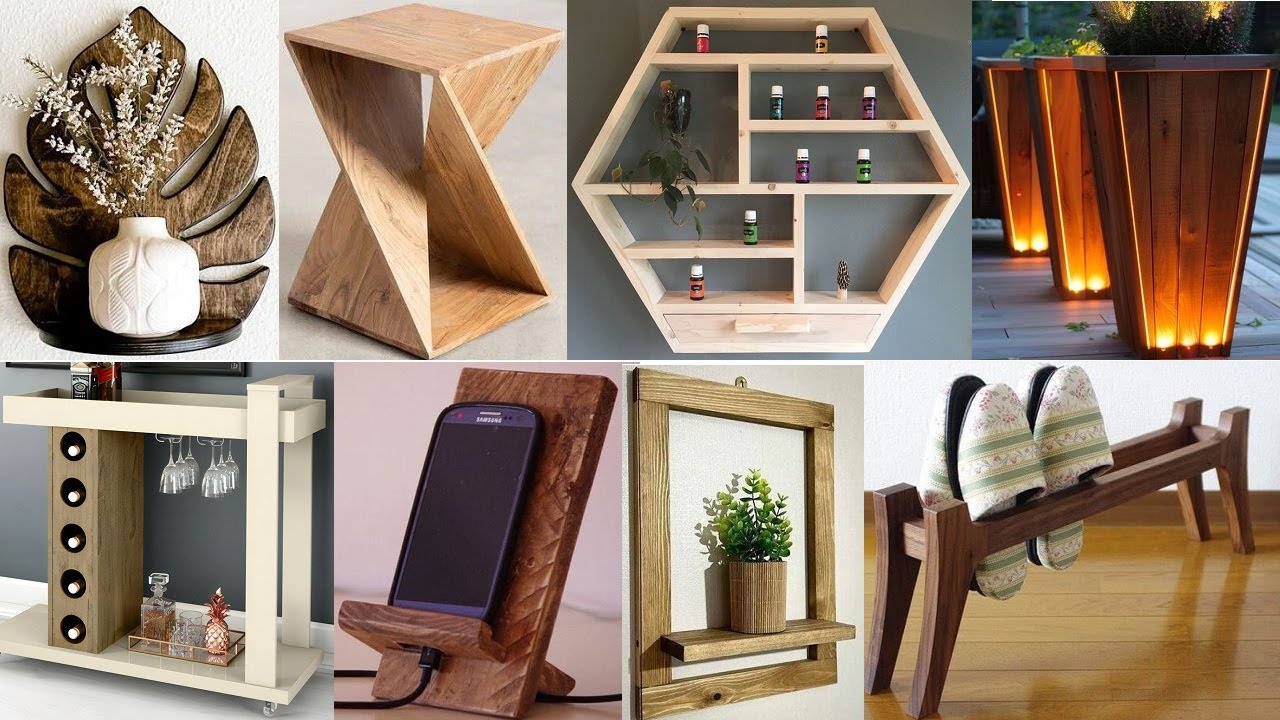
Exploring carpentry projects with expert consultation and thorough planning ensures informed decision-making, risk prevention, and enhanced home value. Professional advisory helps clarify doubts and elevates quality of life—are you ready to transform your space with confidence and skill?
Essential Carpentry Projects That Increase Home Market Value
Enhancing the market value of a home through carpentry requires a strategic approach focused on projects that balance aesthetic appeal, functionality, and durability. One of the most effective improvements is the installation of custom-built cabinetry in kitchens and bathrooms. Unlike generic options, tailor-made cabinets offer optimized storage solutions and superior craftsmanship, which appeal significantly to buyers looking for both style and practical space-saving features.
Another essential carpentry project is upgrading or adding hardwood flooring.
Solid hardwood not only elevates the overall ambiance but also commands a higher resale price compared to laminate or carpet. Choosing durable species such as oak or maple, and opting for a timeless finish, ensures long-term investment value. Incorporating subtle design details like inlays or borders can further distinguish the flooring without overwhelming the buyer’s taste.
Building or refurbishing built-in shelving units in living rooms or home offices presents an opportunity to enhance storage without sacrificing floor area.
These units contribute to a polished, cohesive appearance, making rooms feel more organized and spacious, which is a critical factor appreciated in real estate listings. Practical designs that accommodate books, decor, and multimedia devices demonstrate thoughtful use of space.
Exterior carpentry also plays an undeniable role.
Adding a welcoming porch or deck constructed with weather-resistant woods like cedar or redwood widens functional outdoor living areas, appealing to lifestyle-focused buyers. Proper craftsmanship in railings and staircases assures safety and curb appeal—both pillars in driving a positive first impression and favorable market evaluation.
Custom Built-In Shelving for Functional Living Spaces
Integrating custom built-in shelving into your home transcends mere storage solutions; it shapes smarter, more organized living environments tailored to your lifestyle. Unlike freestanding units, built-in shelves maximize available space by fitting seamlessly into walls, alcoves, or stairwells, delivering a polished look that can elevate the entire room’s aesthetic while boosting functionality.
One of the primary benefits stems from the ability to design shelving that addresses specific needs and spatial constraints. For example, in a compact urban apartment, a custom-built shelving system around a window can create a cozy reading nook with integrated storage for books and decorative items.
In family homes, built-in shelves in living rooms or entertainment areas can house technology components discreetly while leaving ample room for personal memorabilia and artwork.
From a value perspective, these carpentry projects contribute notably to property appeal. Potential buyers appreciate the efficient use of space and the perceived premium craftsmanship, especially when complemented by quality materials such as hardwood or veneered finishes.
Furthermore, built-in shelving reduces clutter and simplifies cleaning routines, making daily living more manageable.
Consider also the versatility of design options. Adjustable shelves accommodate changing storage needs, while incorporating under-shelf lighting can highlight collections or create ambient effects.
Incorporation of closed cabinetry beneath open shelving offers a blend of concealed and visible storage, ideal for maintaining order without sacrificing style.
Execution requires precise measurements and an understanding of the home’s architecture to ensure structural integrity and symmetry. Employing skilled carpenters familiar with local building codes assures that installations not only meet aesthetic goals but also comply with safety standards, particularly in load-bearing scenarios or integrated electrical components.
Enhancing Curb Appeal with Exterior Woodwork Improvements
Exterior woodwork serves as one of the most impactful ways to elevate a property’s curb appeal while simultaneously increasing its market value. Elements like trim, shutters, fences, and decking provide both functional and aesthetic benefits, creating a harmonious first impression that appeals to prospective buyers and visitors alike.
Replacing or refurbishing worn-out wooden features can transform the facade of a home without requiring extensive renovation. For example, installing custom hardwood shutters or decorative trim around windows can frame the house elegantly, adding character and dimension.
Opt for durable, weather-resistant species such as Redwood, Cedar, or pressure-treated Pine to ensure longevity against moisture and pests, especially in climates prone to heavy rain or sun exposure.
Decks and porches crafted from quality wood enhance outdoor living space, effectively extending usable square footage–a factor highly regarded by real estate professionals. A well-designed deck with clean lines, secure railings, and easy maintenance finishes encourages social interaction and relaxation while providing visual warmth from the street. Incorporating built-in seating or planter boxes can introduce practicality alongside style.
Fences constructed from carefully selected wood varieties not only delineate property boundaries but also contribute to the property’s visual coherence.
Choosing styles such as picket, privacy, or lattice wood fences that complement the home’s architecture can create a welcoming environment. Make sure to treat or seal wood regularly to maintain its condition and color vibrancy over time.
Maintenance and finishing play a critical role in preserving the appeal and durability of exterior woodwork.
Applying high-quality stains or paints that protect against ultraviolet radiation and moisture can extend the life of wooden components for years. Engaging professional carpenters familiar with exterior woodworking standards ensures precise installation and finishing, preventing issues like warping or cracking that diminish both appearance and value.
Durable Hardwood Flooring Installation for Lasting Impact
Installing durable hardwood flooring can profoundly transform the aesthetic and functional value of a home, making it one of the most effective carpentry projects for lasting impact. Hardwood floors are prized for their resilience, timeless appeal, and the warmth they bring to living spaces, offering a clear advantage over alternative flooring options such as laminate or vinyl.
Choosing the right type of hardwood is crucial. Popular species like oak, maple, and hickory combine hardness and stability, making them well-suited for high-traffic areas.
Beyond species selection, the grade of the wood influences both appearance and durability; for instance, select-grade wood presents a cleaner, more uniform look, while #1 common grade adds rustic character through natural knots and variations.
Proper installation is equally important to ensure longevity. Professional carpenters prepare the subfloor meticulously to prevent moisture issues and employ precise fastening methods—such as nail-down or glue-down installation depending on the subfloor material—to secure planks without warping over time.
For example, floating installations with click-lock engineered hardwood may suit DIY enthusiasts but often lack the permanence of nailed solid hardwood floors in dense urban environments.
The finishing process further contributes to durability and aesthetics. Applying multiple coats of polyurethane or aluminum oxide finishes creates a hard, protective layer that resists scratches and stains, essential for families with pets or children.
Advanced finishes even incorporate UV protection to minimize color fading in sun-exposed rooms.
Maintenance also plays a role in sustaining the floor’s impact and value. Routine cleaning with appropriate hardwood floor cleaners, immediate spill management, and periodic refinishing—usually every 7 to 10 years—can restore worn surfaces to their original beauty and extend the floor’s lifespan well beyond several decades.
By investing in expertly selected and installed hardwood flooring, homeowners not only enhance the visual appeal of their interiors but also secure a durable surface that stands as a long-term, tangible asset in the property’s market value.
Upgrading Kitchen Cabinets with Quality Carpentry Techniques
Transforming kitchen cabinets through skilled carpentry not only elevates the aesthetic appeal of your kitchen but also significantly enhances your home’s overall market value. Effective cabinet upgrades focus on durability, functionality, and design harmony, harnessing precise joinery and high-quality materials to achieve lasting results.
One proven approach is the integration of custom-fit solid wood panels or hardwood veneers, which replace worn or outdated surfaces without necessitating a complete cabinet overhaul.
Using techniques such as dovetail or mortise-and-tenon joints ensures sturdier frame construction, capable of withstanding daily use while maintaining visual refinement. This method surpasses typical mass-produced cabinetry in both resilience and style.
Incorporating smart storage solutions is another hallmark of advanced carpentry work. Installing pull-out drawers with full-extension slides or soft-close hinges involves precise measurements and smooth mechanism alignment—details that only experienced carpenters can guarantee.
These enhancements improve user convenience and contribute to a more organized kitchen environment.
Custom crown molding and decorative trim can also redefine cabinetry by adding depth and character. A carefully crafted molding profile, tailored to the kitchen’s architectural style, ties the cabinets seamlessly into the room’s overall design. Skilled artisans often blend traditional and modern woodworking techniques to match existing elements, such as hardwood floors or exposed beams, further increasing appeal.
An important practical consideration is applying moisture-resistant finishes or paints suitable for kitchen environments, protecting wood from humidity and stains.
Professional carpenters rely on tested sealants and expert application methods to extend cabinet lifespan and retain their pristine appearance.
Creating Energy-Efficient Wood Window Frames and Doors
Energy efficiency in wood window frames and doors is no longer just a trend but a necessity for homeowners aiming to reduce utility costs while enhancing comfort. Crafting such elements with a focus on insulation and durability is an effective way to boost a property’s value and sustainability.
The choice of wood species plays a pivotal role; for instance, dense hardwoods like mahogany and oak offer natural resistance to thermal transfer, reducing heat loss more effectively than softer woods.
Beyond the material, integrating advanced glazing solutions with wooden frames ensures superior thermal performance. Double or triple-pane glass units filled with inert gases such as argon improve insulation without compromising the natural aesthetics that wooden frames provide. These enhancements reduce drafts and prevent condensation, common culprits in energy inefficiency and structural damage.
Sealing techniques are equally crucial.
Employing high-quality weatherstripping crafted from durable elastomers or silicone significantly limits air infiltration. This safeguards the interior environment from external temperature fluctuations and moisture intrusion. For doors, multilayered core constructions that combine wood with insulating foam or honeycomb steel cores amplify thermal resistance without sacrificing strength or style.
Proper installation also ensures the full energy-saving potential of custom wood windows and doors.
Precise fitting minimizes gaps that could undermine insulation efforts, while correct alignment prevents premature wear and maintains airtightness. Homeowners often benefit from professional assessments, such as blower door tests, which identify leaks and guide targeted improvements.
Incorporating Outdoor Decks and Patios to Extend Living Areas
Adding outdoor decks and patios is among the most effective carpentry projects to increase usable living space and enhance the appeal of a home. These structures create a seamless transition between indoor comfort and the outdoor environment, fostering multifunctional areas for relaxation, dining, and social gatherings.
Unlike detached constructions, well-integrated decks and patios boost property value by expanding usable square footage without the need for complex permits or major structural alterations in many jurisdictions.
A carefully designed deck can significantly extend living areas, especially when adjacent to kitchens or living rooms. Using high-quality, weather-resistant materials such as cedar, redwood, composite lumber, or pressure-treated wood improves durability and aesthetic appeal.
Incorporating features like built-in seating, planters, or overhead pergolas not only enhances the visual harmony but also maximizes functionality, adapting to various climates and homeowner preferences.
Patios constructed with durable stone, concrete pavers, or tiles complement decks by providing sturdy, low-maintenance surfaces suitable for heavy furniture or grilling stations. Custom carpentry elements such as custom-built benches, railing systems, or privacy screens contribute to personalizing the space and adding practical benefits, such as safety and shade.
These details elevate the deck or patio from a mere extension of the home to a bespoke outdoor living environment.
From a regulatory standpoint, understanding local building codes and homeowner association guidelines ensures compliance and smooth project execution. Collaborating with experienced carpenters familiar with these frameworks helps avoid costly modifications and supports the long-term value of the investment. Moreover, integrating lighting, electrical outlets, or weatherproof storage solutions transforms decks and patios into year-round destinations, further increasing the home’s livable footprint.
Professional Finishing and Maintenance for Long-Term Woodwork Quality
Achieving lasting beauty and durability in woodwork depends heavily on professional finishing and ongoing maintenance. A high-quality finish not only enhances the natural grain of the wood but also serves as a protective barrier against moisture, UV rays, and everyday wear.
Choosing the right finishing technique—whether it’s oil-based varnishes, water-based polyurethane, or penetrating oils—should be based on the wood species, location of the installation, and desired aesthetic. For instance, interior cabinetry benefits from a durable yet low-gloss polyurethane finish that resists scratches, while outdoor decks require finishes with UV inhibitors and water repellency to prevent cracking and fading.
Skilled applicators prepare surfaces meticulously through sanding and cleaning to ensure optimal adhesion and smoothness.
This step is crucial since even minor imperfections can cause premature peeling or an uneven appearance. Professional carpenters typically use multiple thin coats applied with appropriate tools such as high-quality brushes, rollers, or sprayers, allowing sufficient drying and curing time between layers.
This method guarantees a uniform finish that can withstand both environmental conditions and daily use.
After installation, regular maintenance is key to prolonging woodwork quality and value. Cleaning with mild, non-abrasive products prevents the buildup of dirt and harmful residues that degrade surfaces over time.
Additionally, scheduled reapplication of protective coatings every few years is essential, especially in high-traffic or exposed areas. For example, hardwood floors may require refinishing every 5 to 10 years depending on wear, while outdoor railing finishes might need refreshing more frequently. Ignoring maintenance risks costly repairs or premature replacement, undermining the investment in your woodwork projects.
Integrating professional finishing and systematic maintenance not only preserves the visual and structural integrity of wood elements but also reinforces their role as value-adding features of your home.
This approach aligns with expert recommendations and industry best practices, ensuring your carpentry projects remain impressive and functional decades after installation.
Extra fact:
Many municipalities offer tax incentives or rebates for homeowners who invest in energy-efficient carpentry projects, such as installing insulated windows or sustainably sourced wooden features. These benefits not only enhance your home’s value but also align with environmental regulations aimed at reducing carbon footprints, a detail often overlooked when planning renovations.
Watch this related video:
Did you like this article? Help others find it by sharing.


