
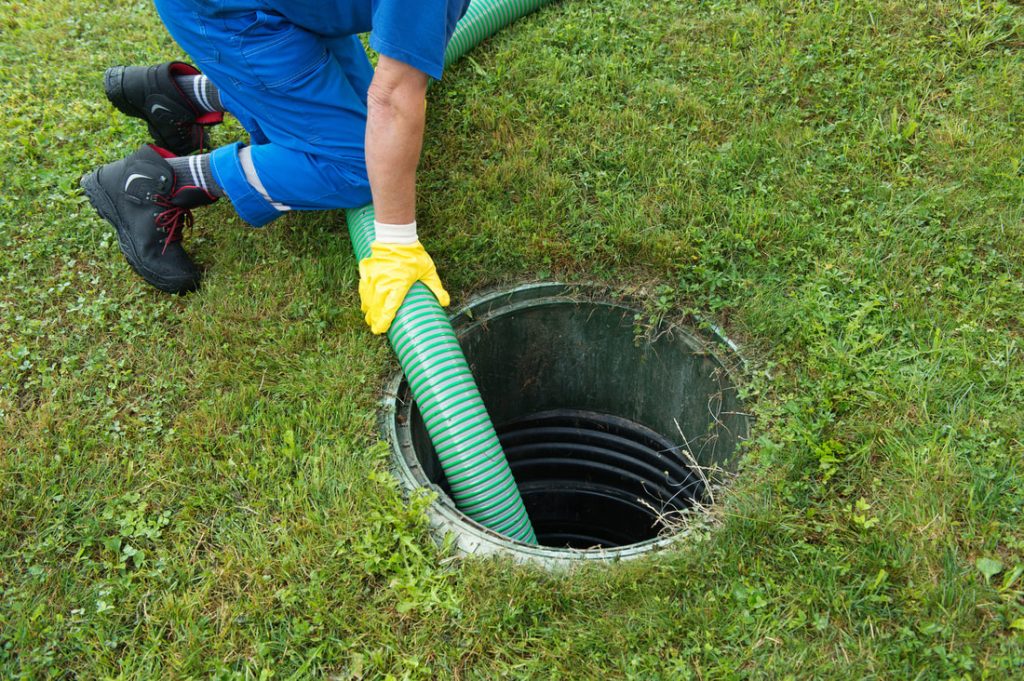
Regular septic tank maintenance requires careful planning and expert consultation to prevent risks and avoid costly mistakes. Professional advisory ensures informed decision-making that safeguards your property’s hygiene and longevity. Ready to discover how proactive care can transform your peace of mind?
Health and Environmental Benefits of Regular Septic Tank Cleaning
Regular maintenance of a septic tank is essential not only for the proper functioning of the system but also for protecting both health and the environment. When septic tanks are neglected, solids accumulate and can cause blockages or system failures, leading to the release of untreated wastewater.
This wastewater often contains pathogens, harmful bacteria, and nitrates, which pose a serious risk to local water sources and, consequently, to human health.
By scheduling routine cleaning—typically every three to five years depending on usage—homeowners minimize the chance of leaks and overflows that contaminate groundwater or nearby rivers and lakes. For instance, in rural areas where septic systems are widespread, improper maintenance has been linked to outbreaks of waterborne illnesses such as giardiasis and E.
coli infections. Maintaining the tank regularly helps contain these hazards by ensuring solids are properly removed and wastewater is adequately treated before dispersal.
From an environmental perspective, clogged or overflowing septic tanks may release excessive nutrients like phosphorus and nitrogen into the soil and waterways. This runoff accelerates eutrophication—a process triggering harmful algal blooms that drastically reduce oxygen levels, damaging aquatic life.
Keeping the tank cleaned prevents these nutrient surges, preserving local ecosystems and biodiversity.
Additionally, well-maintained systems reduce odors and the presence of flies or mosquitoes, which can spread diseases. For example, communities near improperly managed septic installations often report increased nuisance and health complaints stemming from vector insects.
Regular pumping and inspection help control such vectors by eliminating stagnant waste conditions inside the tank and drain field.
Preventing Costly Repairs Through Routine Maintenance
Routine septic tank maintenance is a critical step toward avoiding expensive repairs that can arise from neglect or improper use. When septic tanks are not cleaned regularly, solid waste accumulates and gradually clogs the system’s components, such as the drain field and pipes. This buildup can lead to frequent backups, slow drainage, and ultimately system failure that demands costly excavation and replacement.
Regular cleaning helps preserve the balance of the microbial ecosystem inside the tank, which is essential for breaking down solids efficiently.
For example, a household that schedules pumping every three to five years, depending on tank size and usage, can prevent sludge overflow that otherwise contaminates the leach field. Replacing a damaged leach field can cost several thousands of dollars, highlighting the financial benefit of proactive pumping over reactive repairs.
Beyond pump-outs, routine check-ups often include inspections for cracks, leaks, or root intrusion into pipes.
Early detection of such issues enables timely repairs before they magnify. For instance, tiny cracks in the concrete tank wall can allow groundwater infiltration, altering system performance and risking contamination of local water sources. Identifying these problems during maintenance visits can save both money and environmental harm.
Maintenance also extends the operational lifespan of the septic system by reducing the accumulation of harmful materials like grease, non-biodegradable products, and chemicals that disrupt bacterial action.
Encouraging proper household habits during routine service—such as avoiding flushing wipes or disposing of harsh cleaners—further supports system health and reduces wear over time.
How Septic Tank Cleaning Enhances System Efficiency
Maintaining optimum efficiency in a septic system hinges significantly on timely and thorough cleaning of the septic tank. Over time, solid waste and sludge accumulate, reducing the tank’s capacity and impeding the natural breakdown processes essential for effective wastewater treatment. When these solids build up, they clog the system’s outlet pipes and leach field, leading to slow drainage, backups, or even system failure.
Regular cleaning removes excess sludge and scum layers, enabling the septic tank to function closer to its designed capacity.
This process restores the balance of anaerobic bacteria responsible for decomposing organic matter. Without this microbial activity operating efficiently, untreated waste can enter the drain field prematurely, contaminating the soil and groundwater.
One practical example emerges in rural residential communities relying exclusively on septic systems.
Homeowners neglecting cleaning often face recurring expenses linked to frequent pump-outs, drain field replacements, or emergency repairs caused by blockages. Proactive septic maintenance, including scheduled cleaning every three to five years depending upon tank size and household usage, can prevent these costly issues.
Furthermore, by keeping the septic tank clean, the overall lifespan of the system extends considerably.
Proper sludge removal minimizes the risk of sediment leakage into the drain field, which often leads to clogged soil pores and subsequent failures requiring excavation and replacement. Many local regulations explicitly mandate regular septic inspections and cleaning to safeguard public health and environmental quality, highlighting its importance for compliance.
Recommended Frequency and Scheduling for Septic Cleaning
The ideal interval for septic tank cleaning varies depending on the tank size, household usage, and local soil conditions, but most experts recommend a thorough pumping every 3 to 5 years. This timeframe typically prevents solids from accumulating excessively, which can impair the system’s efficiency and lead to costly repairs. For example, a family of four using standard water consumption habits will generally require septic cleaning every 3 to 4 years, while smaller households or properties with lower water use might extend that period up to 5 years.
Scheduling septic tank maintenance should always consider signs of potential problems beyond just time intervals.
Increased plumbing slowdowns, unpleasant odors near the drain field, or pooling water in the yard can signal that the system needs attention sooner. Ignoring these warning signals can cause septic overflow, groundwater contamination, or even complete system failure.
Some local regulations mandate septic inspections and maintenance schedules to ensure environmental safety and public health.
It is essential to consult regional guidelines or building codes, as these might require certified professionals to perform inspections or pumpings within specified periods, especially in areas with high groundwater sensitivity.
Using professional septic services for regular pumping not only removes accumulated sludge and scum but also provides an opportunity for technicians to evaluate the tank’s condition, assess the drain field, and recommend remediation if needed. Companies often suggest combining pumping with a septic system inspection to detect leaks, cracks, or biofilm buildup early on, which can prolong the lifespan of the system significantly.
Property owners should maintain a maintenance log recording each cleaning date, service provider details, and any observed abnormalities.
This helps optimize scheduling and supports compliance when selling or buying a property. Aligning septic cleaning with routine home maintenance—such as chimney inspections or HVAC servicing—can simplify planning and ensure timely care.
Professional Septic Cleaning Techniques and Equipment Explained
Septic cleaning involves a precise combination of techniques and equipment designed to safely remove accumulated sludge, scum, and wastewater from the septic system. Professionals typically begin the process by conducting a thorough inspection to assess the tank’s condition, including sludge depth and structural integrity. Modern septic service companies often use cameras or sensors for this step, ensuring targeted and effective cleaning without unnecessary disturbance.
The primary method for cleaning a septic tank is mechanical pumping using a specialized vacuum truck.
These vehicles are equipped with powerful suction hoses that can extract solids and liquids without damaging the tank or disrupting the biological processes essential for waste breakdown. The suction capacity and hose diameter are critical specifications; too small a hose can cause clogs during pumping, while inadequate suction slows the process, leading to incomplete removal.
After pumping, technicians frequently use high-pressure water jetting to clean the inlet and outlet pipes, preventing blockages that commonly lead to system backups. This technique dislodges hardened deposits and grease buildup, which mechanical pumping alone cannot fully remove.
Depending on local regulations and environmental considerations, the waste extracted is transported to approved treatment facilities, underscoring the importance of hiring licensed professionals familiar with applicable disposal requirements.
In some instances, advanced chemical treatments or bio-augmenters are applied to support the septic tank’s bacterial ecology, enhancing the natural breakdown of organic matter and slowing sludge accumulation between cleanings. These interventions should be carefully selected based on soil conditions and tank design, often requiring professional assessment.
Proper septic cleaning also entails comprehensive documentation. Service providers commonly issue detailed reports outlining the cleaning scope, observed issues, and recommended follow-up actions.
These records are invaluable for preventive maintenance and can support warranty claims or real estate transactions.
Signs Indicating Immediate Septic Tank Servicing Is Needed
Noticing when your septic tank requires immediate servicing can prevent costly repairs and protect your property from environmental hazards. One of the clearest indicators is persistent slow draining sinks, toilets, or showers across multiple drains, which often signals that solids are clogging the system or the tank is nearing capacity.
Unlike localized plumbing issues, widespread sluggish drainage typically points to septic tank problems that cannot be fixed by simple pipe clearing.
Another critical sign is the appearance of unpleasant odors around your septic tank area or inside your home, especially near bathrooms or utility rooms. Foul smells often result from failing or overflowing tanks releasing gases through vents or seepage, warning of malfunctioning components or sludge buildup.
If these odors increase after heavy rain, it could mean your drain field is saturated and unable to process effluent effectively.
Visible wet spots or unusually lush patches of grass above the septic system are also red flags. A saturated drain field often causes wastewater to surface, creating soggy ground or puddles that are persistent even in dry weather. This not only poses health risks due to raw sewage exposure but also indicates that the system is failing to disperse waste appropriately, requiring urgent professional attention.
Frequent or unexplained sewage backups inside your home demand immediate septic servicing.
Backflow into toilets and drains not only disrupts daily life but also signals possible blockages or system overload. Early intervention can prevent structural damage and expensive remediation measures.
While general maintenance includes regular inspections, these specific symptoms—slow drainage, odor issues, wet or lush areas, and sewage backup—serve as practical, external clues that your septic tank needs prompt evaluation and cleaning. Timely response ensures the system’s longevity and safeguards your property’s sanitation and environmental compliance.
Extra fact:
In several regions, failure to maintain septic systems according to local health codes can result in fines exceeding $1,000, reflecting growing regulatory emphasis on environmental safety and public health. This underscores not only the environmental impact of neglected septic tanks but also the financial risks homeowners face from overlooked maintenance duties.
Long-Term Savings Achieved by Consistent Septic Maintenance
Proactive septic maintenance significantly reduces the likelihood of costly repairs and premature system failures. Over time, solids accumulate in the septic tank and, if not removed regularly, can overflow into drain fields, leading to clogged pipes and soil contamination. Addressing these issues early through scheduled cleanings prevents extensive damage that often requires complete system replacement, which can run into tens of thousands of dollars.
Consider that many homeowners underestimate the lifespan of their septic system components.
Consistent maintenance extends the functional life of the tank and leach field by preserving optimal conditions for bacterial digestion. This natural process breaks down waste solids, a balance easily disrupted when sludge and scum layers become excessive. Ignoring this balance accelerates wear and may lead to expensive and disruptive excavation work.
Beyond system longevity, regular septic cleaning safeguards property values and environmental health.
For instance, a neglected system can cause sewage backups or leaks that imperil groundwater quality, resulting in potential fines or costly remediation. Early detection of anomalies during routine inspections allows for targeted interventions, mitigating financial impact.
Financially, scheduling septic tank pumping every three to five years, depending on usage and tank size, aligns with recommendations from health authorities and industry experts. This routine translates into predictable expenses rather than unpredictable emergencies.
Moreover, some insurance policies and local regulations require proof of maintenance to validate coverage or compliance, reinforcing the practical benefits of sustained upkeep.
In communities relying on septic systems, the aggregate effect of widespread regular maintenance contributes to water quality preservation and reduces municipal infrastructure strain. Homeowners invested in periodic cleaning often benefit from lower water treatment fees and fewer public health concerns, showcasing a broader societal advantage.
Watch this related video:
If you found this article interesting, share it with your friends and family.


