
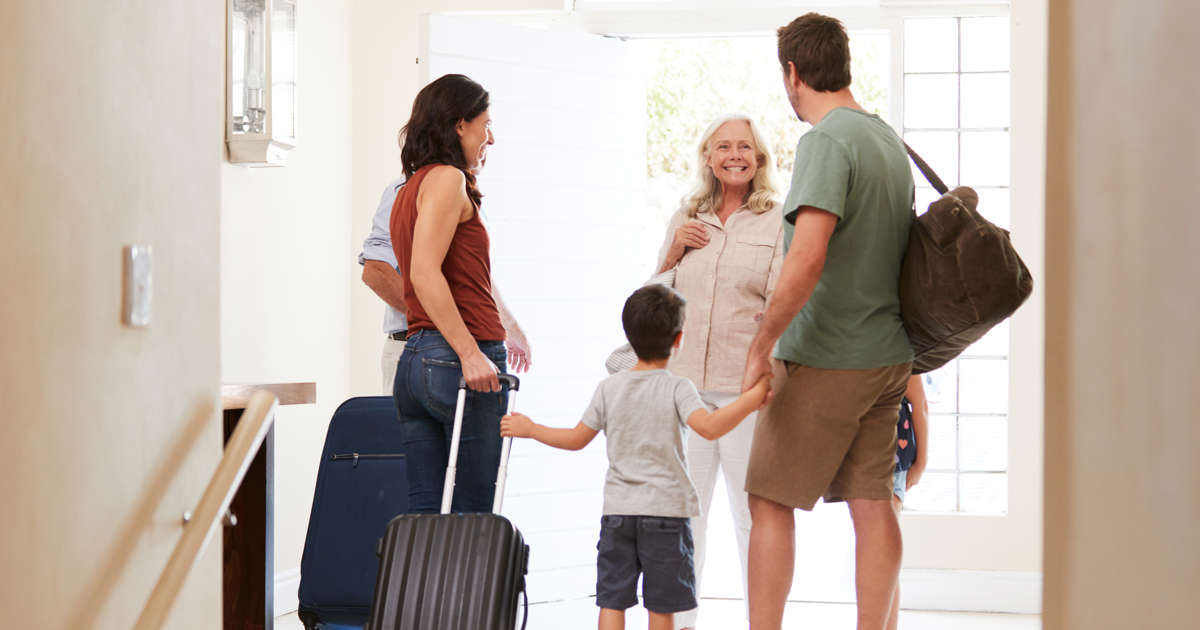
Effective home safety planning before traveling involves informed decision-making and risk prevention to protect your property and loved ones. Professional consultation and advisory can clarify doubts and enhance your preparation. Ready to discover smart strategies that secure your peace of mind while away?
Securing Doors and Windows with Reliable Locks and Alarms
Ensuring robust protection for doors and windows is a foundational aspect of home safety before traveling. These access points are the most vulnerable to unauthorized entry, so investing in high-quality locking mechanisms and alarm systems significantly reduces risk.
For exterior doors, opting for deadbolt locks that meet ANSI Grade 1 standards offers enhanced resistance against forced entry. Many modern deadbolts incorporate reinforced strike plates and hardened steel bolts, features that drastically improve security compared to standard locks.
Windows demand equal attention, especially those on the ground floor or with easy access.
Installing locks that secure the sash or use laminated glass reduces the chance of break-ins. Additionally, window security bars can provide physical barriers while allowing ventilation, though local regulations should be checked to ensure compliance and avoid fire safety concerns. For sliding doors, adding auxiliary locks or security rods in the track prevents lifting or sliding open.
Complementing physical barriers with electronic detection is increasingly vital.
Integrating alarm systems equipped with sensors specifically designed for doors and windows adds a responsive layer of security. Magnetic contact sensors detect when a door or window is opened, triggering alerts immediately.
Advanced systems often feature remote monitoring apps, enabling homeowners to receive notifications and control alarms in real time, a practical advantage during travel.
Choosing alarms that connect to professional monitoring services ensures rapid response from security personnel or emergency services. Some devices also incorporate glass break detectors, which sense the distinct frequency of breaking glass and activate alarms accordingly, covering scenarios where entry isn’t through opening locks. Combining these technologies with timers for indoor lights can simulate occupancy, deterring potential intruders by creating the impression someone is home.
Managing Electrical Appliances to Prevent Fire Hazards
Before leaving your home unattended, careful attention to your electrical appliances can significantly reduce the risk of fire hazards. Many domestic fires stem from faulty wiring, overloaded outlets, or malfunctioning devices left plugged in.
To mitigate these dangers, start by unplugging all non-essential appliances such as toasters, coffee makers, hair dryers, and entertainment equipment. Even when switched off, devices on standby can draw power and potentially overheat or cause short circuits.
Inspect visible cords and plugs for signs of damage like fraying, cracks, or burn marks.
Damaged wiring is a common cause of electrical fires and should be repaired or replaced by a qualified electrician before you travel. Avoid using extension cords or power strips as a permanent solution; these are designed for temporary use and can be easily overloaded, especially if powering high-wattage appliances.
For essential appliances that must remain operational, such as refrigerators or security systems, verify that they are in optimal condition. Consider investing in smart plugs or timers that can automatically cut off power during inactive periods, adding an extra layer of security and efficiency.
Additionally, ensure that smoke detectors are functioning near electrical appliances and that homeowners’ insurance policies are up to date, covering electrical fire-related damages.
In regions with frequent power surges, installing surge protectors or an uninterruptible power supply (UPS) can safeguard appliances from damage that might lead to ignition. Consulting with a certified electrician to assess your home’s overall electrical safety can reveal hidden risks, such as outdated wiring or circuit breakers inadequate for current electrical loads.
Taking these proactive steps aligns with best practices advocated by fire safety authorities and electrical safety organizations. By managing your electrical appliances thoughtfully before traveling, you not only protect your property but also provide peace of mind throughout your absence.
Implementing Timed Lighting for Enhanced Home Security
Timed lighting systems serve as a discreet yet highly effective layer of defense when preparing a home for an extended absence. By automatically turning interior or exterior lights on and off at preset intervals, these systems simulate occupancy, deterring potential intruders who often target unoccupied residences.
Unlike leaving lights permanently on, which can signal absence or increase energy waste, timed lighting creates a dynamic and unpredictable pattern that mimics normal daily activity.
Modern advancements have expanded options well beyond simple mechanical timers. Smart lighting solutions, integrated with home automation platforms, offer customizable schedules and remote control via smartphone apps.
With such technology, homeowners can program different rooms’ lighting to switch on during evenings or at irregular intervals during nighttime, enhancing the illusion of presence. Some systems even adjust brightness or color temperature based on time of day, adding subtle realism to the effect.
When implementing timed lighting for security, positioning plays a crucial role.
Exterior fixtures near entrances, walkways, and dark corners should be prioritized to eliminate hiding spots and increase visibility. Strategically controlling indoor lamps visible from windows further supports the deterrent effect. It is advisable to vary the times slightly over days to avoid establishing a predictable pattern that could be noticed by observant potential burglars.
Energy efficiency also benefits from timed lighting by minimizing unnecessary power consumption.
Pairing timers with LED bulbs and motion sensors can ensure lights activate only when needed or during specific periods, combining security and sustainability. For homeowners on tight budgets, programmable plug-in timers provide a cost-effective way to introduce this security measure without extensive installation.
Integrating timed lighting as part of a comprehensive home safety plan increases resilience against break-ins and adds peace of mind while traveling.
Coupled with other strategies like secure locks and surveillance cameras, it forms a layered defense that is straightforward to implement and adapt according to evolving security needs.
Extra fact:
In many U.S. states, leaving your home unattended without notifying local law enforcement or enrolling in a vacation watch program can impact your homeowner’s insurance coverage, potentially reducing or voiding claims related to burglary or damage during your absence. This regulation encourages travelers to engage proactively with local services to ensure both safety and insurance compliance before departure.
Preparing Plumbing Systems to Avoid Water Damage
Before heading out on a trip, ensuring your plumbing system is secured can prevent devastating water damage that disrupts your home and drains your finances. A proactive check starts with identifying any vulnerable points such as aging pipes, visible leaks, or signs of corrosion. For example, galvanized steel pipes common in older homes often deteriorate internally, increasing the risk of burst pipes when water pressure fluctuates during your absence.
One essential step is to shut off the main water supply valve to your residence if you will be away for an extended period.
This prevents any potential leaks or pipe failures from escalating into major flooding. In some cases, turning off water to specific fixtures, like outdoor irrigation or washing machines, can also mitigate risk without completely halting water flow inside the house.
Installing a smart water leak detection system can add an extra layer of security by monitoring for unusual moisture or pipe bursts in real-time and sending alerts to your phone.
These systems are particularly valuable for second homes or vacation properties, where immediate response is less feasible. Paired with an automatic shut-off valve, this technology minimizes damage even if a leak occurs during your travel.
Winterizing your plumbing if you travel during cold seasons is critical to prevent pipes from freezing and bursting. Draining water from external lines, insulating exposed pipes in basements or crawl spaces, and maintaining indoor heating above freezing levels are proven methods to protect against frost damage.
Professional plumbers often recommend installing heat tape or pipe sleeves in vulnerable sections to further reduce risk.
Lastly, clear traps of any fixtures and verify that sump pumps function properly to avoid backups and floods. Taking a few dedicated minutes before departure to address these plumbing concerns not only safeguards your home’s structure and belongings but also provides peace of mind so you can enjoy your trip fully.
Arranging Trusted Neighbors or Services for Regular Home Checks
Before setting off on a trip, ensuring someone trustworthy regularly checks your home is a critical step to maintain security and peace of mind. Trusted neighbors or professional services can help identify potential issues early, such as water leaks, mail pileup, or unexpected signs of forced entry, which might otherwise go unnoticed during extended absences.
Selecting the right individual or service requires thoughtful consideration.
Ideally, choose neighbors who are familiar with your routine and display responsibility and discretion. Establish clear communication regarding the frequency of visits—commonly every two to three days—and specify what tasks you expect, such as collecting mail, inspecting windows and doors, and taking care of indoor plants.
Providing a written checklist can help clarify expectations and avoid misunderstandings.
For those who prefer professional oversight, numerous specialized companies offer home watch services that include periodic inspections, detailed reports, and emergency notifications. These services often cater to vacation homeowners or those with seasonal residences, deploying trained personnel to conduct thorough walkthroughs, check safety devices like smoke detectors, and report any irregularities immediately. While this option is generally more costly, it provides enhanced coverage and documentation that can be beneficial for insurance purposes.
Before finalizing arrangements, ensure the chosen person or service has access to your property keys and any necessary alarm codes.
Creating an authorization letter or informal agreement detailing responsibilities and emergency contacts can protect you and your caretaker legally. Also, inform local law enforcement about your absence and visible security measures, which combined with regular checks, discourage potential intruders.
Consistent, reliable home checks not only deter criminal activity but also safeguard against accidental damage or maintenance problems that could worsen when unnoticed.
Both neighbors and professional services play complementary roles in securing your home, making this a foundational element of comprehensive travel safety planning.
Safeguarding Valuables with Hidden Storage and Security Safes
Protecting your valuables while away requires strategic planning beyond simply locking doors and windows.
Hidden storage solutions offer an effective means to conceal important items from prying eyes and potential burglars.
These can range from everyday objects designed with secret compartments—such as books safes, picture frames, or diversion safes disguised as household products—to more sophisticated built-in wall or floor safes seamlessly integrated into the home’s structure. Choosing such discreet locations reduces the likelihood that intruders will locate and access your prized possessions.
Complementing hidden storage, investing in a security safe provides an added layer of protection for high-value or irreplaceable items, including passports, jewelry, cash, and digital backups. Modern safes come equipped with advanced locking mechanisms, such as biometric fingerprint scanners, digital keypads with time-delay locks, or dual-authentication features, enhancing both security and convenience.
For example, a fire-resistant safe not only guards against theft but also protects contents from fire damage, an important consideration for document preservation.
Placement of safes is critical. Avoid obvious or commonly targeted spots like master bedrooms and closets. Instead, install safes in less accessible locations such as the basement behind false walls or under heavy furniture, ensuring they are firmly anchored to prevent removal.
When using hidden storage, maintaining secrecy about the hiding spots is paramount; avoid sharing this information, even with friends or neighbors, to limit exposure.
Securing valuables is also about balancing accessibility and discretion. Prioritize what items require daily access versus long-term storage, and select safes or hiding spots accordingly. Additionally, consider combining both strategies by placing small safes inside larger hidden compartments.
This layered approach is widely recommended by security experts and provides resilience against a variety of intrusion attempts while maintaining your peace of mind during travel.
Maintaining HVAC Systems for Efficient Energy Use During Absence
Before leaving your home unattended for an extended period, ensuring that your HVAC system is properly maintained and adjusted not only preserves energy but also prevents potential damage. One recommended practice is to set your thermostat to an energy-saving mode rather than turning the system off completely. For instance, if you’re traveling during summer, setting the air conditioner to around 78°F (25-26°C) keeps the temperature regulated, preventing excessive humidity and potential mold growth, while still conserving electricity.
In winter, maintaining a temperature near 55°F (12-13°C) helps avoid freezing pipes without wasting energy heating an empty house.
Additionally, it is vital to inspect and replace air filters before departure. Clogged or dirty filters reduce system efficiency, forcing the HVAC unit to work harder and consume more energy, which could lead to breakdowns. Cleaning coils and ensuring vents are unobstructed also contribute to optimal airflow and energy efficiency.
For homeowners with programmable thermostats or smart home systems, pre-programming settings specifically for absence periods allows precise control and even remote monitoring.
Another important aspect is scheduling a professional HVAC service for a thorough check-up before traveling. A technician can identify subtle issues such as refrigerant leaks, electrical faults, or failing components that might escalate into costly repairs during your absence. This preventative measure aligns with energy-saving goals and ensures the system operates safely and reliably.
In cases where the absence extends beyond several weeks or months, consider shutting off the system while taking precautions like draining water from pipes and performing ventilation to prevent stale air buildup.
However, this approach demands careful assessment of local climate conditions to avoid structural damage.
Taking these targeted steps supports efficient energy use, reduces the risk of malfunctions, and ultimately safeguards your home environment while you are away.
Watch this related video:
Help others discover this helpful article by sharing it.


