
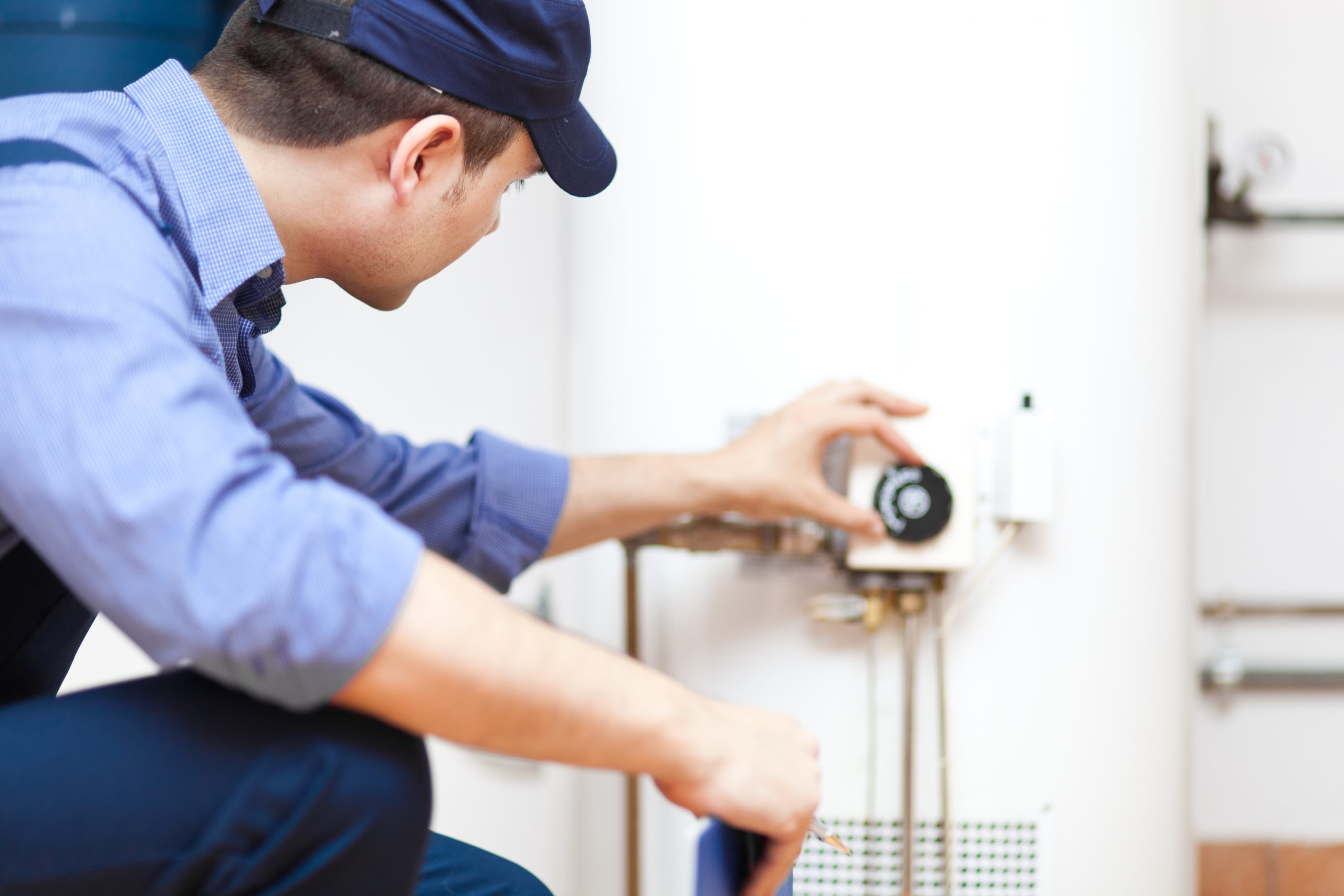
Facing a malfunctioning water heater requires careful consultation and expert advisory to ensure effective planning and risk prevention. Making informed decisions not only resolves issues faster but also enhances daily comfort and safety. Ready to take control and avoid common pitfalls?
Identifying Common Causes of Water Heater Failures
Water heater failures can disrupt daily routines and often stem from a variety of underlying causes that homeowners and professionals should recognize early. Mechanical breakdowns commonly arise from sediment buildup, which accumulates at the bottom of the tank over time.
This mineral deposit reduces heating efficiency and can lead to premature wear of the heating element, resulting in insufficient hot water or noisy operation.
Another frequent issue involves the thermostat or heating element malfunctioning. Faulty thermostats may fail to regulate temperature correctly, causing water to remain cold or excessively hot, posing safety hazards.
Heating elements can burn out due to normal wear or electrical surges, necessitating targeted inspection and replacement to restore function.
Leaks, whether from corroded tank walls or loose pipe connections, also contribute to water heater failure. Corrosion is a slow-developing process accelerated by water chemistry and frequency of use, eventually compromising the tank’s integrity and leading to costly damage if unattended. Regularly inspecting visible fittings and investing in tank maintenance can mitigate this risk.
In electric models, problems with the power supply or circuit breakers often present as a loss of heating capability.
Diagnosing electrical faults requires caution and expertise, as mismanagement might cause further damage or safety incidents. Similarly, gas water heaters can halt due to pilot light issues, clogged burners, or ventilation blockages, all of which undermine combustion efficiency and safety.
Step-by-Step Troubleshooting for Water Heater Issues
When a water heater malfunctions, a systematic approach can swiftly identify and often resolve the problem without needing immediate professional help. Begin by verifying the power source. For electric heaters, ensure the circuit breaker hasn’t tripped; if it has, reset it and monitor if the heater resumes operation.
Gas water heaters require checking the pilot light—if it’s extinguished, follow the manufacturer’s instructions to relight it safely.
Next, inspect the thermostat settings. Sometimes the temperature dial might be set too low or has accidentally been adjusted, resulting in lukewarm or cold water.
Adjust the thermostat to at least 120°F (49°C), which balances energy savings and safety. For units with digital controls, consult the manual to navigate any error codes which can indicate specific malfunctions like sensor failures.
Another common factor is sediment buildup inside the tank, particularly in areas with hard water. Sediment reduces heating efficiency and can cause strange noises or uneven heating.
Flushing the tank annually is a recommended maintenance step. If you notice rumbling sounds or water that fluctuates in temperature, flushing the heater by draining a few gallons to remove sediment might restore proper function.
Leaks around the tank or piping connections not only reduce system performance but may signal corrosion or failing valves. Examine the area for moisture or pooling water.
Small drips around the pressure relief valve can be normal, but continuous leaking requires valve replacement or professional assessment to prevent water damage.
Following this step-by-step troubleshooting method allows identification of the most frequent water heater issues efficiently and guides informed decisions on repairs or service calls, helping maintain uninterrupted hot water supply effectively.
Essential Safety Precautions When Inspecting Water Heaters
Inspecting a water heater requires careful attention to safety to prevent accidents and further damage to the appliance or home. Before beginning any inspection, the first step is to completely disconnect the power supply. For electric water heaters, this means switching off the breaker in the main electrical panel to eliminate any risk of electric shock.
In the case of gas water heaters, turn off the gas valve to avoid potential leaks or fire hazards during your assessment.
Always allow the water heater to cool down before touching or working on it. Hot water heaters can retain extremely high temperatures that may cause burns if handled without proper precautions.
One practical safety tip is to drain a small amount of water through the drain valve using a hose before inspecting internal components, to safely relieve pressure and check for sediment buildup without risking scalding water release.
When inspecting the area around the water heater, look for signs of corrosion or rust, particularly around the tank and piping connections. Corroded parts may indicate leaks or imminent failure, representing both a water damage risk and a safety concern if the heater operates under pressure.
Ensure that the pressure relief valve is not blocked and is functioning properly. This valve is a critical safety feature designed to release excess pressure and prevent tank explosions.
For gas units, confirm that the pilot light is stable and burning a consistent blue flame. A yellow or flickering flame can be a sign of incomplete combustion, which could produce dangerous carbon monoxide.
If you smell gas or suspect a leak, evacuate the area immediately and contact a professional technician rather than trying to inspect further on your own.
Using insulated gloves and goggles during inspection helps protect against unexpected splashes or sharp edges, especially when handling older units or accessing internal parts. Avoid using makeshift tools and rely on the manufacturer’s guidelines or consult certified technicians for repairs beyond basic inspection. Taking these essential safety precautions ensures your inspection process reduces hazards and provides a clear understanding of the water heater’s condition.
How to Reset and Restart Your Water Heater Properly
When your water heater suddenly stops working, performing a proper reset and restart can often resolve the issue without the immediate need for professional repair. Before attempting any reset, ensure your safety by turning off the power supply to the unit—this may involve switching off the breaker for an electric water heater or turning off the gas valve on a gas-powered system.
Double-check that the power is off to avoid any risk of electric shock or gas leakage.
The most common reset mechanism found on electric water heaters is the high-limit reset button, typically located on the thermostat panel behind an access cover on the side of the tank. After removing the cover carefully and insulating wires if necessary, press the reset button firmly until you feel it click.
This button trips when the water temperature rises to unsafe levels, shutting the heating element down as a safety measure. A successful reset usually means the water heater will start heating again once the power is restored.
If your water heater has a pilot light, as is common with many gas models, relighting it correctly is crucial for a safe restart. Follow the manufacturer’s instructions carefully—usually involving turning the gas valve to pilot, pressing and holding it while igniting the pilot with a match or electronic igniter, then slowly turning the valve back to on.
Ensure that the pilot flame is stable and blue, indicating proper combustion. Failing to do this correctly can result in gas buildup and pose serious hazards.
It’s essential to wait about 30 minutes for the water in the tank to reach an adequate temperature before using it again after a reset. If the unit doesn’t resume heating after these steps or if the reset button repeatedly trips, it may indicate underlying defects such as a faulty thermostat, damaged heating element, or sediment buildup affecting the burner’s efficiency.
In such cases, consulting a licensed plumber or a certified technician specializing in water heater repair ensures a safe and effective diagnosis.
Replacing Faulty Components to Restore Water Heater Function
When your water heater suddenly stops functioning, a common cause is a malfunctioning internal component that needs replacement. Identifying the faulty part is essential before proceeding, as water heaters contain several critical elements such as heating elements, thermostats, and pressure relief valves.
For electric water heaters, the heating element often bears the brunt of wear and tear. Over time, sediment buildup can cause the element to overheat and fail.
Testing with a multimeter can confirm if the element lacks continuity, indicating it needs replacement. This process typically involves draining the tank partially, disconnecting power, removing the faulty element, and installing a manufacturer-approved replacement. Ensuring the new element matches the original’s wattage and size is key to restoring efficient heating performance.
Thermostat issues present another frequent cause of failure.
A thermostat that fails to signal the heating element to activate can result in a cold water supply despite power availability. Thermostat testing requires measuring voltage and inspecting for physical damage or corrosion. Replacing a faulty thermostat restores the heater’s ability to regulate water temperature effectively, preventing both under- and overheating.
Gas water heaters also rely heavily on components that may need replacement over time.
The thermocouple and gas control valve are critical for ignition and safe operation. A damaged thermocouple prevents the pilot light from remaining lit, causing the heater to shut off. Replacing this small sensor requires turning off the gas supply and carefully removing the old component without disturbing the gas lines.
Gas valve replacement is more complex, often involving a licensed technician due to safety regulations and the need for proper calibration.
Pressure and temperature relief valves are crucial for safe operation by releasing excess pressure. Leakage or malfunction here may necessitate immediate replacement to avoid tank damage or hazardous situations. While replacing these valves is generally straightforward, it must comply with local plumbing codes and manufacturer guidelines.
Replacing faulty components usually restores your water heater’s functionality efficiently.
However, prioritizing safety—power off, proper tools, and, for gas systems, professional assistance if needed—is imperative. Upgrading to higher-quality replacement parts or consulting manufacturer support can also extend your water heater’s lifecycle after repairs.
When to Call a Professional for Water Heater Repairs
Knowing the right moment to engage a professional for water heater repairs can save both time and costly damage. While some minor issues like adjusting the thermostat or flushing sediment buildup might be manageable with guidance, certain signs indicate a clear need for expert intervention. For example, persistent leaks around the tank or fittings usually point to compromised seals or corrosion, which require specialized tools and replacement parts.
Ignoring such problems can lead to water damage or even structural risks in your home.
Another critical scenario is when your water heater fails to produce hot water consistently, or the water temperature fluctuates dramatically. This could stem from electrical faults in electric heaters or pilot light and gas supply problems in gas models.
Diagnosing and fixing electrical components or gas lines safely demands the expertise of licensed technicians due to the risk of electrocution or gas leaks.
Additionally, unusual noises such as popping, rumbling, or hissing sounds often suggest excessive sediment accumulation or issues with the heating elements. A professional can perform thorough inspections and consider whether component replacements or system flushing are necessary to restore efficiency and prevent premature failure.
Experience also matters when dealing with water heaters that are more than a decade old.
Older units may have outdated safety features or wear that complicates repairs and heightens risk. Professionals can assess whether repair costs outweigh the benefits compared to replacement with a modern, energy-efficient model that meets current safety standards and regulations.
Preventive Maintenance Tips to Extend Water Heater Lifespan
Regular maintenance is crucial to maximizing the operational life of your water heater and avoiding unexpected breakdowns. One of the most effective preventive actions is performing an annual flush to remove sediment buildup, which accumulates at the bottom of the tank over time. This sediment can decrease heating efficiency and cause overheating, leading to premature failure.
To do this safely, you should first turn off the power or gas supply, then attach a hose to the drain valve and direct the water to a suitable drainage point until it runs clear.
Checking the anode rod every two to three years is another vital step. This component protects the tank from corrosion by attracting corrosive elements in the water.
When the rod is significantly eroded—typically when it has worn down to less than half an inch thick—it should be replaced to prevent damage to the tank itself. Ignoring this can lead to costly repairs or the need for full water heater replacement.
Temperature settings also play a role in longevity and safety. Manufacturers typically recommend setting the thermostat to 120°F (49°C).
Higher temperatures not only increase the risk of scalding but also accelerate wear on internal components. Additionally, ensuring your water heater has appropriate pressure-relief valves that operate correctly is vital to avoid dangerous pressure buildup. Testing these valves annually is a straightforward task: simply lift the lever and allow a small amount of water to flow out, confirming it closes properly afterward.
For those in regions with hard water, installing a water softener can dramatically reduce mineral deposits that stress the heating elements and tank lining.
Moreover, insulating the tank and exposed pipes helps prevent heat loss and reduces operating costs, which contributes indirectly to better system durability. While DIY maintenance covers many basics, engaging a licensed professional for a comprehensive inspection every few years is wise, especially to assess complex components like the burner or electrical connections.
Extra fact:
In several U.S. states, there are specific regulations requiring landlords to provide functioning water heaters as part of basic habitability standards, meaning tenants have a legal right to demand prompt repair or replacement. Failure to comply not only risks fines but can be used as grounds for rent withholding or legal action, a critical detail often overlooked by renters facing nonfunctional water heaters.
Energy-Efficient Upgrades After Water Heater Malfunctions
When a water heater malfunctions, it presents a strategic opportunity to evaluate and implement energy-efficient upgrades that can reduce operational costs and environmental impact long term. Simply repairing an aging or inefficient heater might not be the most cost-effective approach, especially given advances in water heating technology and regulatory incentives aimed at energy conservation.
One widely recommended upgrade is switching to a tankless water heater.
Unlike traditional storage models that continually heat a reservoir of water, tankless systems deliver hot water on demand, significantly lowering standby energy losses. This upgrade can cut water heating energy consumption by up to 30-40%, according to the U.S. Department of Energy, resulting in meaningful utility bill savings.
Moreover, tankless units have a longer lifespan, often exceeding 20 years when properly maintained.
Another option is upgrading to a heat pump water heater, which uses electricity to move heat rather than generate it directly. These units can be two to three times more efficient than conventional electric water heaters. Installing a heat pump model might require adequate space and a suitable ambient environment but offers substantial energy savings in homes with moderate to warm climates.
Insulating existing plumbing and the water heater tank itself can also contribute to energy efficiency.
Adding a certified water heater blanket reduces heat loss and keeps water hotter for longer without additional energy consumption. This measure is especially valuable if a full replacement is not feasible immediately.
Before proceeding with any upgrade, it’s crucial to assess local energy codes, rebate programs, and utility incentives that often provide financial support for installing energy-efficient water heating systems.
Consulting with a licensed plumber or energy auditor can help identify the most suitable technologies based on your household’s hot water usage patterns and budget.
Integrating these upgrades concurrently with addressing the malfunction ensures not only quick restoration of hot water but also a strategic investment in reducing your home’s carbon footprint and future energy expenses.
Watch this related video:
Share this article with others interested in this topic and help this information reach even further.


