
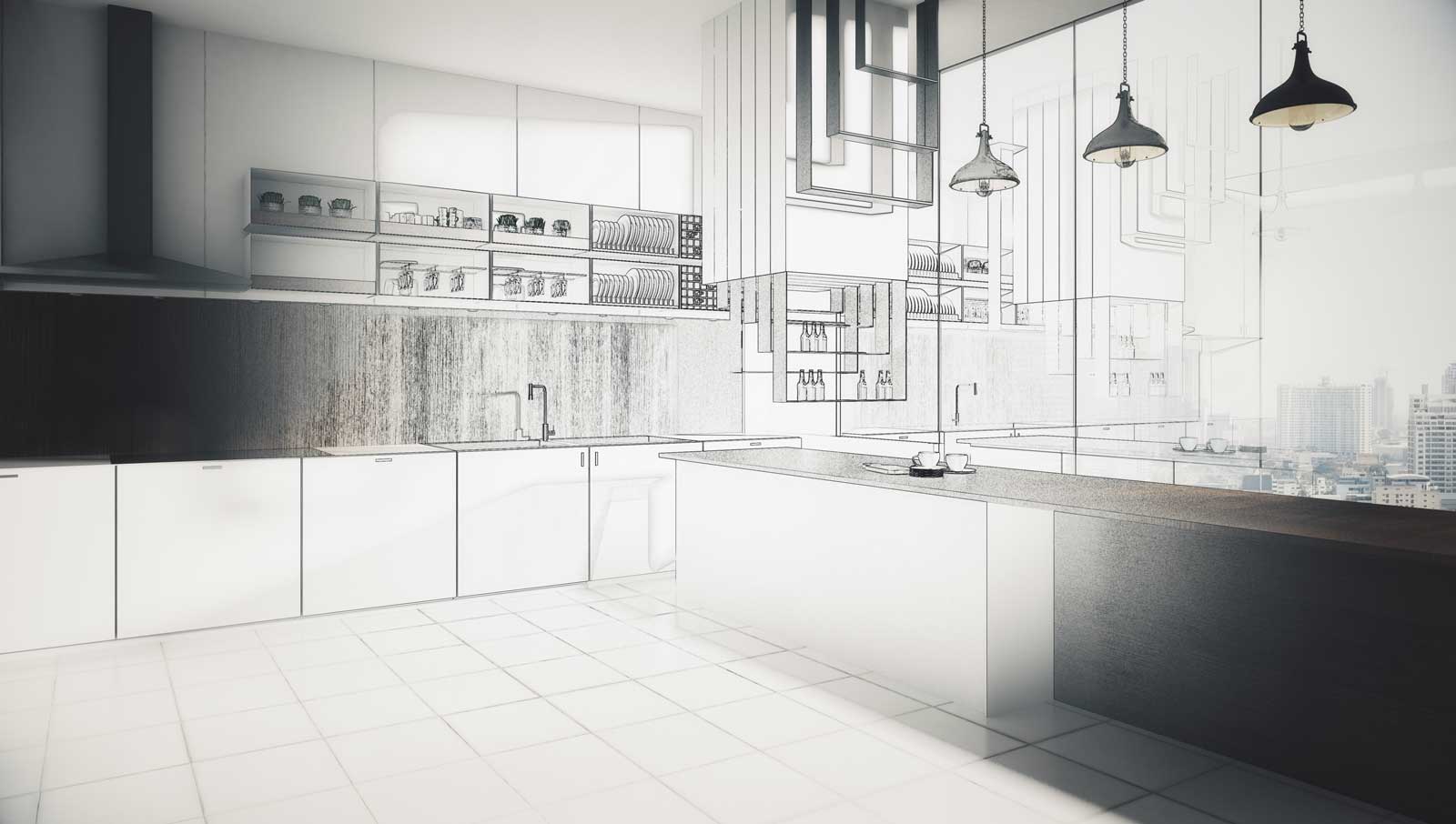
Effective kitchen renovation relies on expert consultation and strategic planning to ensure risk prevention and optimal outcomes. Professional advisory empowers informed decision-making, helping you avoid costly errors and enhance your living space. Ready to transform your kitchen with confidence and clarity?
Overlooking Proper Kitchen Layout and Workflow Planning
When renovating a kitchen, underestimating the importance of a well-thought-out layout and workflow can severely diminish the space’s functionality and user comfort. An efficient kitchen isn’t just about aesthetics; it revolves around optimizing the movement between key zones—cooking, cleaning, storage, and food preparation—to enhance daily usability and safety.
A frequent oversight is neglecting the classic work triangle, which connects the sink, stove, and refrigerator. Ignoring this principle often leads to excessive walking distances, cramped working areas, or awkward corners, ultimately causing frustration and inefficiency.
For example, placing the stove too far from the sink not only wastes time but increases the risk of spills when transferring hot pots, while tightly squeezing the refrigerator next to a wall can limit door opening and hamper access.
Another critical aspect is accounting for the kitchen’s specific workflow based on the household’s habits. A family that frequently cooks multiple dishes simultaneously benefits from a layout that enables collaborative workspaces and parallel counters.
In contrast, a single individual may prioritize compact and streamlined surfaces for solo cooking. Incorporating island countertops or separate zones dedicated to baking, chopping, or cleaning can significantly improve convenience but only when placement and pathways support smooth movement.
Lighting and accessibility also play an integral role in workflow planning. Task lighting above preparation areas and clear sightlines aid precision work, while considering appliance door swings and storage reach ensures comfort and minimizes unnecessary bending or stretching.
Moreover, compliance with local building codes on ventilation and electrical layouts must synchronize with the workflow to avoid costly retrofits.
Choosing Inappropriate Materials for Durability and Style
One of the most critical mistakes in kitchen renovation is selecting materials that do not align with the practical demands and stylistic intent of the space. The kitchen is a high-use area exposed to moisture, heat, stains, and constant cleaning, so opting for materials without considering durability and ease of maintenance can lead to premature wear and frequent costly repairs.
For example, choosing softwood cabinets might seem attractive for their natural warmth and lower initial cost, but they often dent and scratch easily compared to hardwood alternatives like maple or oak, which offer greater longevity and withstand everyday wear much better. Similarly, while laminate countertops are budget-friendly and offer a wide range of colors, they may chip or burn under hot pans, making quartz or granite better options for homeowners seeking a balance between style and resilience.
Style preferences should not override the functional requirements of kitchen materials.
Glossy tiles might look sleek and modern, but if chosen without considering slip resistance or grout ease, they can become safety hazards or difficult maintenance burdens over time. Porcelain tiles with textured finishes are increasingly favored for combining aesthetics, durability, and practical cleaning benefits.
Another aspect frequently overlooked is the compatibility of materials with local climate conditions and kitchen usage patterns. Woods or composite materials that absorb moisture may warp in humid environments, while some natural stones require sealing to prevent stains and etching.
Consulting with suppliers and renovation experts about the material properties in relation to your specific environment helps avoid unwelcome surprises post-installation.
Underestimating Lighting Needs for Functional Spaces
When planning a kitchen renovation, insufficient attention to lighting requirements can severely impact the functionality and atmosphere of this central home space. Kitchens serve multiple purposes—cooking, dining, socializing, and sometimes working—making it essential to have a well-thought-out lighting scheme that supports these activities without strain or hazards.
One common pitfall is relying solely on general overhead lighting, such as a single ceiling fixture, which often results in uneven illumination and unwanted shadows where sharp knives and hot surfaces are involved.
Instead, it’s crucial to layer lighting by integrating task lighting—for example, under-cabinet LED strips or adjustable pendant lamps above worktops—to provide clear, direct light where food preparation happens. This improves precision, reduces eye fatigue, and enhances safety.
Ambient lighting should complement and soften the overall environment without creating glare or harsh contrasts. Incorporating dimmable LEDs or strategically placed recessed fixtures allows flexibility for different times of day or kitchen uses.
It’s also increasingly important to consider color rendering index (CRI) when selecting bulbs; lighting that accurately displays food and surface colors helps avoid misunderstandings about freshness and doneness.
Some modern kitchens feature accent lighting, such as inside glass cabinets or beneath toe kicks, which adds depth and architectural interest without compromising function. However, these decorative elements should never replace essential task and ambient lighting layers.
Failing to plan lighting with spatial flow in mind can also be detrimental.
For instance, positioning lights that create shadows across commonly used work zones or neglecting to illuminate pathways such as between fridge, stove, and sink—often referred to as the kitchen work triangle—can introduce awkwardness and inefficiency in daily routines.
Integrating lighting control systems that allow separate operation of different light zones, including motion sensors or voice activation for smart kitchens, enhances adaptability and energy efficiency. Consulting with lighting professionals or using specialized kitchen lighting design guidelines ensures technical standards are met and the renovation adds long-term value and comfort.
Ignoring Ventilation and Airflow Requirements
Proper ventilation is often overlooked during kitchen renovations, yet it significantly affects both comfort and safety. Kitchens generate heat, moisture, odors, and airborne grease particles that, without adequate airflow, can lead to lingering smells, mold growth, and diminished indoor air quality. Ignoring ventilation requirements not only compromises the functionality of the space but may also violate local building codes that specify minimum air exchange rates and exhaust standards.
One common mistake is installing a range hood that is too small or improperly positioned.
A hood’s capture efficiency depends on its size relative to the cooktop and its mounting height. For instance, a powerful 600 CFM (cubic feet per minute) hood mounted too far above the stove may fail to extract smoke effectively, allowing grease and odors to spread throughout the kitchen.
Conversely, inadequate ventilation can create a backdraft, where smoke and pollutants are pushed back into the room rather than vented outside.
Consulting local regulations is crucial, as they often mandate mechanical ventilation that vents outdoors instead of mere recirculating filters. While recirculating hoods with charcoal filters remove some odors, they do not expel moisture or grease-laden air, causing long-term buildup on surfaces and increasing fire risk.
Incorporating correctly sized ducts with minimal bends also ensures efficient airflow and reduces noise.
Additionally, attention to natural airflow complements mechanical ventilation. Including operable windows or installing passive vents facilitates fresh air entry, diluting pollutants.
Modern appliances with integrated ventilation systems can automate airflow control according to cooking activity, enhancing air quality and energy efficiency.
Addressing ventilation early in the renovation design prevents costly retrofitting. Homeowners benefit from reduced odors, safer cooking environments, and compliance with safety standards. Engaging HVAC professionals to evaluate ventilation needs tailored to appliance types, kitchen layout, and usage patterns optimizes airflow and supports a healthier kitchen atmosphere.
Failing to Allocate Adequate Storage Solutions
One of the most overlooked challenges in kitchen renovation projects is underestimating the importance of tailored storage solutions. Kitchens are not only spaces for cooking but also hubs for storing a wide range of items—from bulk groceries to specialized appliances.
Insufficient or poorly planned storage can quickly lead to cluttered countertops, cramped cabinets, and persistent organizational headaches. This hampers daily efficiency and detracts from the overall aesthetic appeal of the newly renovated kitchen.
A practical approach begins with a thorough inventory of what needs to be stored and how frequently those items are used.
For example, if a household frequently bakes, incorporating deep drawers specifically designed to hold baking sheets and mixing bowls can prevent these items from taking up valuable cabinet space. Similarly, corner cabinets without pull-out shelves tend to become dead space; installing carousel units or swing-out trays maximizes accessibility and utilization, reflecting advances in modern cabinetry hardware.
Custom cabinetry options offer critical advantages over standard premade solutions, especially in irregularly shaped kitchens or when working around appliances like built-in ovens or refrigerators. Taking vertical space into account is equally important; adjustable shelving or tall pantry units enable flexible arrangements for cans, spices, and dry goods.
Including dedicated spaces for recycling and waste bins also contributes to an uncluttered, hygienic kitchen zone.
Ignoring storage needs can result in costly retrofits or the need for cumbersome external organizers, which disrupt the cohesive design vision and often create additional financial strain. Industry experts recommend engaging with kitchen designers early in the renovation process to map out an efficient storage plan that aligns with both usage patterns and lifestyle demands.
This preventive strategy ensures each square inch serves a purpose, reducing frustration and enhancing the kitchen’s functional longevity.
Neglecting Budget Management and Unexpected Costs
One of the most frequent pitfalls in kitchen renovations is underestimating the importance of thorough budget management and failing to anticipate unexpected costs. Renovation projects often spiral beyond initial estimates due to overlooked details or unforeseen challenges, leading to financial strain and compromised quality.
Effective budget planning begins with a comprehensive cost assessment that goes beyond materials and labor.
Items such as permits, demolition fees, waste disposal, and potential structural repairs should be incorporated early on. For instance, discovering outdated wiring or plumbing that doesn’t comply with current standards will require immediate attention and extra investment. Ignoring these aspects until mid-project can halt progress and inflate expenses significantly.
Including a contingency buffer—typically around 10-20% of the total budget—is crucial to absorb surprises without sacrificing planned upgrades.
A practical example is choosing high-end cabinetry upfront but having to downgrade due to unplanned foundation repairs. Properly allocating contingencies allows flexibility to maintain priorities without derailing the entire plan.
Another often neglected factor is the fluctuation of material costs and availability, exacerbated by supply chain issues in recent years.
Contractors and homeowners should regularly confirm pricing and delivery timelines with suppliers to avoid delays and price surges. Transparent communication with contractors about budget constraints can also help identify cost-saving alternatives without compromising on quality.
Failing to engage a professional project manager or an experienced contractor familiar with local regulations and market conditions increases the risk of budget overruns.
Their expertise in sequencing work efficiently and sourcing reliable materials can prevent costly errors and optimize resource use.
Skipping Professional Consultation and Permits
Renovating a kitchen without involving professional consultation or securing the necessary permits can lead to significant setbacks, both financially and structurally. While it might seem cost-effective or faster to bypass these steps, neglecting expert advice and legal requirements often results in compliance issues or even safety hazards.
Licensed architects, interior designers, or certified contractors bring essential knowledge of building codes, structural integrity, and optimal layout designs that align with your home’s existing systems.
For example, reconfiguring plumbing and electrical lines without a qualified plumber or electrician’s input risks violating local regulations and causing costly damage. Many jurisdictions mandate specific permits when modifying kitchen plumbing, gas connections, or electrical circuits, ensuring installations meet safety standards to prevent leaks, fires, or shocks.
Securing permits might appear bureaucratic, but it acts as a safeguard guaranteeing inspections at critical stages of renovation. Inspections confirm that modifications comply with the International Residential Code (IRC) or other applicable standards, preventing future problems such as improper ventilation or inadequate load-bearing support.
Homeowners who skip permits often face penalties, including fines or complications when selling the property, as unpermitted work can invalidate insurance claims and reduce market value.
A practical approach involves engaging professionals early in the process, ideally during the planning phase. This collaboration allows for tailored, code-compliant solutions that maximize functionality while avoiding hidden issues, such as outdated wiring behind walls or insufficient ventilation for new appliances.
Additionally, experienced consultants help navigate local permitting processes efficiently, ensuring timely approvals.
Extra fact:
In many regions, home insurance policies may not fully cover damages caused by faulty kitchen renovations unless the work is certified or inspected by a licensed professional. This underscores the importance of adhering to local building codes and regulations during remodels, as neglecting these legal requirements can lead to costly financial and legal consequences long after the project’s completion.
Overloading Electrical Systems with Insufficient Capacity
One of the most critical yet frequently overlooked mistakes in kitchen renovation is assuming the existing electrical system can handle the increased demand from modern appliances and lighting. Many kitchens today incorporate high-powered devices such as induction cooktops, built-in ovens, multiple microwaves, and advanced refrigeration units, all of which draw significant current. When the electrical panel and wiring have insufficient capacity or outdated circuit breakers, overloading occurs, posing serious safety hazards and operational inefficiencies.
Electric overloads often manifest as tripped breakers, flickering lights, or even more severe outcomes like damaged appliances or fire risks.
For example, installing a double oven without upgrading the dedicated circuit can cause repeated power interruptions, frustrating the homeowner and potentially voiding warranties. Proper load calculation is essential—this involves evaluating the cumulative wattage of all kitchen equipment and ensuring the service panel, typically a 100 to 200 amp system in residential settings, can sustain this load without strain.
Upgrading might include adding dedicated circuits for high-consumption appliances or replacing wiring with higher-gauge cables that reduce heat build-up.
Modern kitchens benefit from arc fault circuit interrupters (AFCIs) and ground fault interrupters (GFCIs), which enhance protection against electrical arcs and ground faults—common culprits in kitchen electrical fires. Incorporating these safety devices not only complies with updated electrical codes but also reduces liability and enhances peace of mind.
Neglecting this aspect can also limit future expansions or smart home integrations, which often rely on stable and robust electrical infrastructure.
Engaging a certified electrical contractor during the planning stage helps identify existing limitations and recommend tailored upgrades aligned with local regulations and best practices. This proactive approach ensures the kitchen remains both functional and safe, avoiding costly retrofitting or hazard mitigation after renovation completion.
Watch this related video:
Share this article with others interested in this topic and help this information reach even further.


