
Effective planning and professional consultation transform small bathroom renovations, ensuring risk prevention and informed decision-making. Expert advisory not only resolves doubts but elevates quality of life through smart, impactful changes. Ready to discover how thoughtful design can maximize your space’s potential?
Maximizing Space with Clever Storage Solutions
Efficient storage transforms small bathrooms from cluttered spaces into serene, functional retreats. Leveraging clever storage solutions maximizes every inch without compromising style.
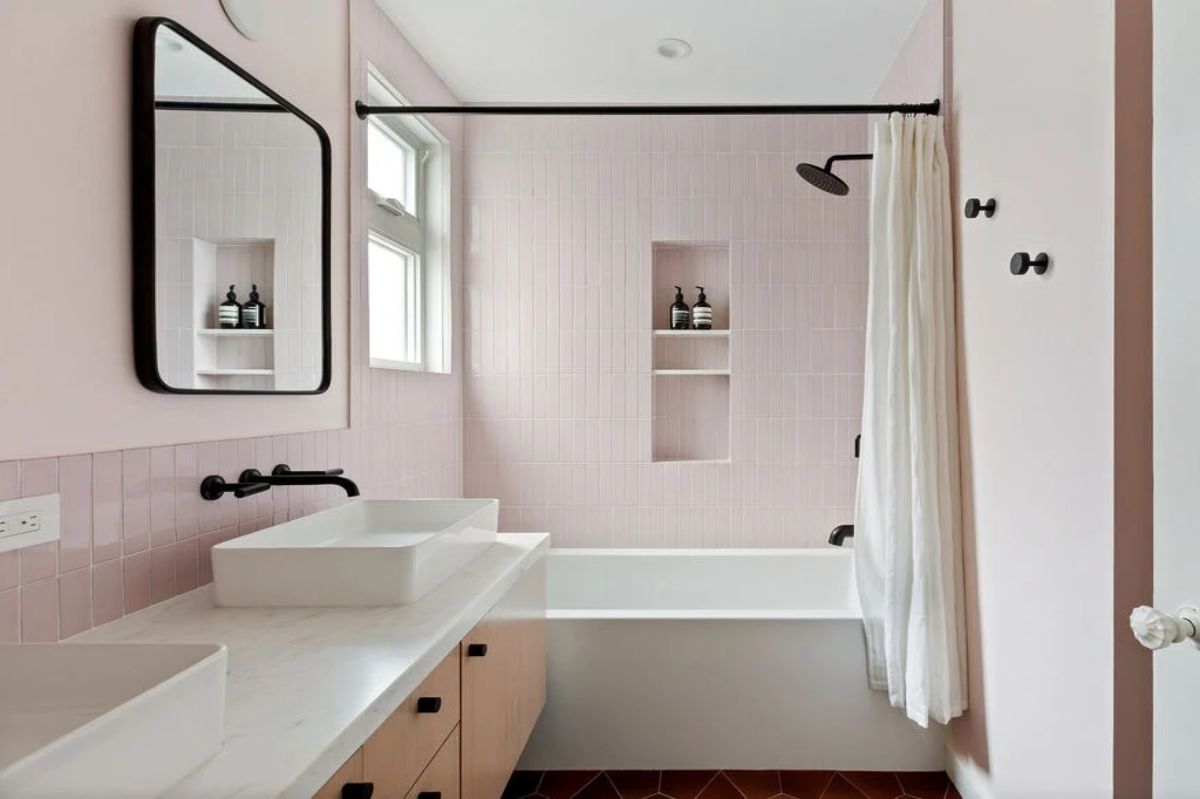
For example, installing recessed shelves within shower walls or behind the vanity allows you to keep toiletries organized without encroaching on walking space. These niches not only reduce the need for bulky countertop containers but also contribute to a streamlined look.
Another practical approach involves using vertical space wisely.
Tall, narrow cabinets or open shelving units that extend upward utilize wall height efficiently, fitting within tight footprints. Incorporating floating shelves above the toilet or alongside the mirror keeps essentials accessible and frees floor space, which is critical in compact layouts.
Opting for slim-profile units with mirrored fronts can enhance light reflection, creating an illusion of depth.
Multifunctional storage furniture offers additional advantages. Vanities with built-in drawers and compartments, including hidden sections for small items like razors or makeup brushes, help maintain order. Wall-mounted towel racks with integrated baskets or hooks serve dual purposes and minimize clutter.
The use of magnetic strips inside cabinet doors for metal grooming tools is a subtle but effective technique often overlooked.
Considering materials and finishes is equally important. Moisture-resistant options such as waterproof MDF or marine-grade plywood ensure durability in damp conditions. Laminated surfaces in lighter tones can contribute to a bright, airy atmosphere, preventing the space from feeling cramped.
Clear acrylic containers and baskets provide visibility and ease of access while maintaining a minimalist aesthetic.
Smart lighting can also enhance storage effectiveness. Illuminated cabinets or under-shelf LED strips aid visibility inside storage units, reducing the time spent searching for items and emphasizing clean organization. When integrated thoughtfully, these storage solutions not only address practical needs but also elevate the overall ambiance of a small bathroom.
Extra fact:
Many building codes worldwide have recently tightened regulations on ventilation requirements for small bathrooms to prevent mold growth and improve air quality, reflecting growing medical research linking poor indoor air circulation to respiratory issues. Incorporating compliant ventilation not only ensures health benefits but can significantly increase your home’s resale value, a factor often overlooked during renovation planning.
Choosing Light Colors to Enhance Bathroom Brightness
Light colors are a strategic choice in small bathroom renovations, playing a pivotal role in amplifying natural and artificial light to make the space feel more open and inviting. By reflecting more light than darker hues, shades such as soft whites, pale grays, muted blues, and pastel greens minimize shadows and visual clutter, which are common challenges in compact bathrooms. Selecting these tones for walls, ceilings, and fixtures creates an airy atmosphere that visually expands the room without requiring structural changes.
When choosing light colors, it’s essential to consider the type of lighting present.
For bathrooms with limited natural light—such as internal rooms or those with small windows—warm off-white or cream tones can offset the coolness of artificial lighting and avoid a sterile appearance. Conversely, bathrooms illuminated by ample daylight benefit from cooler light shades that emphasize cleanliness and freshness.
Professional interior designers often recommend painting ceilings a shade lighter than walls or using semi-gloss finishes on vertical surfaces to further enhance light reflection and ease cleaning.
Incorporating light-colored tiles, particularly large-format porcelain or ceramic with subtle textures or patterns, can create depth while maintaining brightness. For example, installing glossy white subway tiles around the shower area or above the vanity not only brightens the wall but also introduces design interest.
Moreover, opting for light-colored cabinetry or open shelving in materials such as bleached wood or lacquered surfaces complements the overall luminous effect.
Balancing function and style, architects advise avoiding overly stark or pure white shades that might cause glare or highlight imperfections. Instead, soft neutrals with hints of color provide warmth and character, inviting a sense of tranquility within the compact space.
This approach aligns with current trends emphasizing minimalism fused with natural elements, where the palette supports a calm, spa-like ambiance.
Installing Compact Fixtures for Functional Efficiency
Maximizing functionality in a small bathroom hinges on selecting fixtures that are both compact and efficient without sacrificing comfort or style. Opting for fixtures specifically designed for tight spaces can dramatically enhance usability and open up the room.
For instance, a wall-mounted toilet with a concealed cistern immediately frees up floor space, simplifying cleaning and creating a more spacious feel. Such designs also allow for varied height adjustments, accommodating different user needs while adhering to modern plumbing regulations.
When it comes to sinks, consider pedestal or corner models that reduce bulk yet maintain sufficient basin depth and drainage capability. Popular options include semi-recessed sinks that tuck partly into countertops, balancing surface area with clearances.
These solutions reduce the overall footprint while preserving the practicality essential for daily tasks like handwashing or grooming. Additionally, space-saving faucets—such as single-handle mixers or pull-out spray designs—streamline operations and prevent clutter around the sink.
Another practical fixture is a shower enclosure with sliding or bi-fold doors instead of swing doors, which require extra clearance.
Frameless glass panels visually expand the room while ensuring a watertight barrier. Integrating a recessed niche within the shower wall provides storage without protruding elements, further enhancing functionality.
Some modern compact units combine a shower and bathtub in streamlined forms that cater to multi-functional use without overwhelming limited spaces.
Lighting fixtures also need careful consideration: recessed or flush-mounted LED units reduce visual weight, while integrated mirrors with built-in illumination can eliminate the need for additional vanity lights. Such solutions prevent overcrowding the ceiling or walls, contributing to a clean, uncluttered atmosphere that feels larger.
Ultimately, the key to installing compact fixtures in small bathrooms is prioritizing ergonomics and cumulative spatial efficiency. Every centimeter saved on a fixture can translate into better circulation paths, more storage options, and increased comfort.
Consulting with professionals specializing in small-space plumbing and bathroom design ensures compliance with building codes and helps customize the layout to your specific needs. Thoughtful fixture selection unlocks the full potential of constrained spaces, turning modest bathrooms into models of practical elegance.
Incorporating Mirrors to Create an Illusion of Space
Mirrors have long been a fundamental element in creating the perception of space, especially when dealing with small bathrooms. Their reflective properties can amplify natural and artificial light, making a room feel larger and more open without requiring structural changes.
Incorporating mirrors strategically allows homeowners and designers to transform tight quarters into visually expansive environments.
Positioning is critical for maximizing the effect. Placing a large mirror above the sink or vanity is a standard practice, but extending the mirror beyond traditional dimensions or using a full-length mirror on a wall opposite a window can dramatically increase the sense of depth.
For example, a frameless mirror stretching from countertop to ceiling reflects more light and reduces visual breaks, which helps to create continuous spatial flow.
Another effective technique involves using mirrored cabinetry. This integrates storage solutions with reflective surfaces, avoiding the clutter that often makes small bathrooms feel cramped. Mirrored medicine cabinets also contribute by hiding toiletries while enhancing illumination.
Choosing models with integrated LED lighting can further enhance brightness, particularly in bathrooms with limited access to daylight.
Innovative designs sometimes combine mirrors with textured tiles or subtle metallic finishes. This blend adds dimension without overtaking the room, avoiding the common pitfall of mirrors creating an overly clinical atmosphere. Additionally, using multiple smaller mirrors arranged creatively can produce dynamic reflections, visually multiplying the room’s proportions.
Maintenance is a practical consideration, as mirrors in moist environments require materials and coatings resistant to humidity and corrosion.
Opting for anti-fog technology or regularly treated glass ensures longevity and consistent clarity, sustaining the spacious illusion over time. Overall, integrating mirrors thoughtfully elevates small bathroom renovations by merging form and function, delivering both aesthetic appeal and practical spatial enhancement without extensive remodeling.
Utilizing Vertical Space for Practical Organization
Maximizing vertical space offers an efficient solution to the tight quarters of small bathrooms, transforming underused wall areas into functional storage and design features. Installing floating shelves above the toilet or near the sink can accommodate essentials like toiletries, towels, or decorative plants without encroaching on floor area.
These shelves not only declutter countertops but also allow easy access to daily-use items.
Another practical approach is integrating tall, slim cabinetry reaching toward the ceiling. Such units harness vertical height effectively, providing multiple compartments for storage of cleaning supplies, spare toilet paper, and personal care products.
Selecting cabinets with mirrored fronts can double as a functional mirror while visually expanding the room’s appearance, a crucial factor in compact spaces.
For a customizable and adaptable solution, wall-mounted storage systems like pegboards or rail racks offer versatility. They accommodate hooks for hanging hairdryers, brushes, or baskets that corral smaller items. The modular nature of these systems supports evolving needs, especially in households where bathroom storage demands vary frequently.
Incorporating recessed niches into shower walls or above bathtubs exploits vertical plane without intrusion.
These built-in niches hold shampoos and soaps tidily, eliminating the need for external racks that consume space and collect water residue.
Utilizing over-the-door organizers is another subtle way to capitalize on vertical room, offering compartments or hooks for robes, towels, or extra storage containers. Selecting designs with slim profiles ensures these additions do not obstruct door movement or the flow within the bathroom.
Lighting installed vertically, such as sconces flanking mirrors or LED strips along shelving, enhances the functionality of these vertical storage elements. Proper illumination supports usability and adds depth, preventing the bathroom from feeling cramped or dark despite increased vertical storage.
Selecting Durable and Moisture-Resistant Materials
When renovating a small bathroom, selecting materials that offer both durability and moisture resistance is crucial to ensure longevity and maintain aesthetic appeal. Bathrooms constantly face humidity, temperature fluctuations, and water exposure, which can degrade unsuitable materials quickly, leading to costly repairs and diminished comfort.
Ceramic and porcelain tiles stand out as industry standards for walls and floors in wet environments. Their non-porous surfaces resist water penetration and are easy to clean, preventing mold and mildew buildup.
Choosing tiles with a matte finish can also reduce slipperiness in the shower area, enhancing safety in compact spaces.
For countertops and vanity tops, quartz composites combine resilience with a broad range of color options. Unlike natural stone, engineered quartz is less porous and requires minimal maintenance, making it an excellent choice for tight bathrooms where frequent cleaning must be efficient. Alternatively, solid surface materials, such as Corian®, offer seamless installations with integrated sinks, reducing joint areas where water can accumulate.
In wet zones like showers, glass blocks or waterproof wall panels made of Acrylic or PVC can replace traditional tiles.
These materials are lightweight, resistant to staining, and provide a sleek, modern appearance without the need for grout lines that harbor moisture. Additionally, high-quality waterproof paint with anti-fungal properties is suitable for ceilings and upper walls, adding a protective layer without sacrificing design flexibility.
Wood adds warmth and texture but requires careful selection for small bathrooms. Opt for marine-grade plywood or teak veneers treated with waterproof sealants to withstand moisture.
Alternatively, synthetic wood-look materials such as luxury vinyl planks provide a natural aesthetic with superior water resistance and easier installation.
Beyond material choice, proper installation and ventilation are equally vital. Waterproof membranes beneath surface finishes, along with adequate exhaust fans or windows, drastically reduce moisture-related deterioration, maximizing the lifespan of even the most durable materials. Thoughtful selection combined with professional application ultimately creates a small bathroom that endures daily use while elevating the space’s overall value and comfort.
Integrating Energy-Efficient Lighting for Ambiance and Savings
Optimizing lighting in a small bathroom goes beyond mere visibility; it directly influences the ambiance and energy consumption. Selecting energy-efficient lighting solutions not only reduces electricity costs but also enhances the overall atmosphere, contributing to a spa-like feel even in compact spaces.
LEDs have become the industry standard due to their long lifespan, low heat emission, and remarkable energy savings compared to incandescent or halogen bulbs.
Incorporating dimmable LED fixtures offers versatile control over brightness, creating a soothing environment for relaxing baths or brighter settings for makeup application. These can be installed in ceiling-mounted fixtures or vanity lighting. For instance, integrating recessed LED downlights around the perimeter helps distribute soft, indirect light that visually expands the space without overwhelming it.
Task lighting around mirrors is crucial in small bathrooms.
Employing LED strips or backlit mirrors ensures uniform illumination free from harsh shadows, improving functionality without sacrificing style. These features, when paired with motion sensors or timers, increase convenience and promote energy efficiency by automatically managing usage.
In addition, using cool white tones with a color temperature ranging between 3000K and 4000K balances warmth and clarity, preserving a clean and fresh aesthetic. When combined with reflective surfaces like glossy tiles or light-colored paint, this lighting choice amplifies natural light sources, contributing to a brighter, more open feel.
Practical considerations should include compliance with IP44-rated fixtures or higher for moisture resistance, ensuring safety within wet zones.
Selecting fixtures that meet these standards prevents corrosion and electrical issues, a critical aspect often overlooked in small bathroom designs.
Applying Minimalist Design Principles for a Clean Look
Embracing minimalist design in small bathroom renovations offers a powerful way to create a spacious and inviting atmosphere without expanding the physical space. The core idea is to prioritize function and simplicity, using clean lines, neutral colors, and a strategic layout to foster a sense of order and tranquility.
Start by selecting fixtures with streamlined profiles—wall-mounted sinks and toilets, for example, maximize floor space and ease cleaning. These choices reduce visual clutter, which is essential in compact environments.
Opt for a floating vanity with integrated storage to conceal toiletries, maintaining a tidy, uninterrupted surface that contributes to an open feel.
Color palettes rich in whites, soft grays, and pale earth tones enhance natural light reflection, making the bathroom appear larger and airier. Incorporating matte finishes over glossy ones can further reduce glare, creating a calming and understated aesthetic.
Avoid heavy patterned tiles; instead, choose subtle textures or large-format tiles which minimize grout lines and create fluid visual continuity.
Lighting is another critical element. Incorporate recessed LED lighting or slim-profile wall sconces to provide ample illumination without dominating the visual field. Using integrated mirrors with hidden backlighting can both expand perceived space and add modern flair without adding bulk.
Every accessory and decor piece should serve a purpose or enhance the room’s cohesiveness.
Open shelving made from light wood or metal in minimalist shapes offers both functionality and style, reducing clutter on counters. Additionally, glass shower screens rather than opaque curtains avoid breaking up the room, retaining sightlines and the flow of light.
The minimalist bathroom does not mean bare or cold; integrating natural materials like bamboo mats or stone soap dishes introduces warmth and texture, connecting the space with nature while maintaining the uncluttered ethos.
Thoughtful minimalism turns even the smallest bathroom into a serene retreat, balancing utility and elegance effectively.
Watch this related video:
Share this article and help others learn more about this topic.


