
Early water leak detection is crucial for risk prevention and informed decision-making, providing valuable advisory and consultation opportunities to plan effective solutions. With professional guidance, you can avoid costly errors and improve your quality of life. Ready to take control before damage occurs?
Early Signs and Indicators of Hidden Water Leaks
Unnoticed water leaks can cause significant damage over time, often beginning with subtle indicators that many overlook. One of the earliest signs is an unexplained increase in your water bill despite consistent usage habits. This often points to continuous, small leaks hidden within walls, under floors, or in underground pipes.
Regularly monitoring meter readings, especially during periods without water consumption, can highlight abnormal flows indicating hidden leaks.
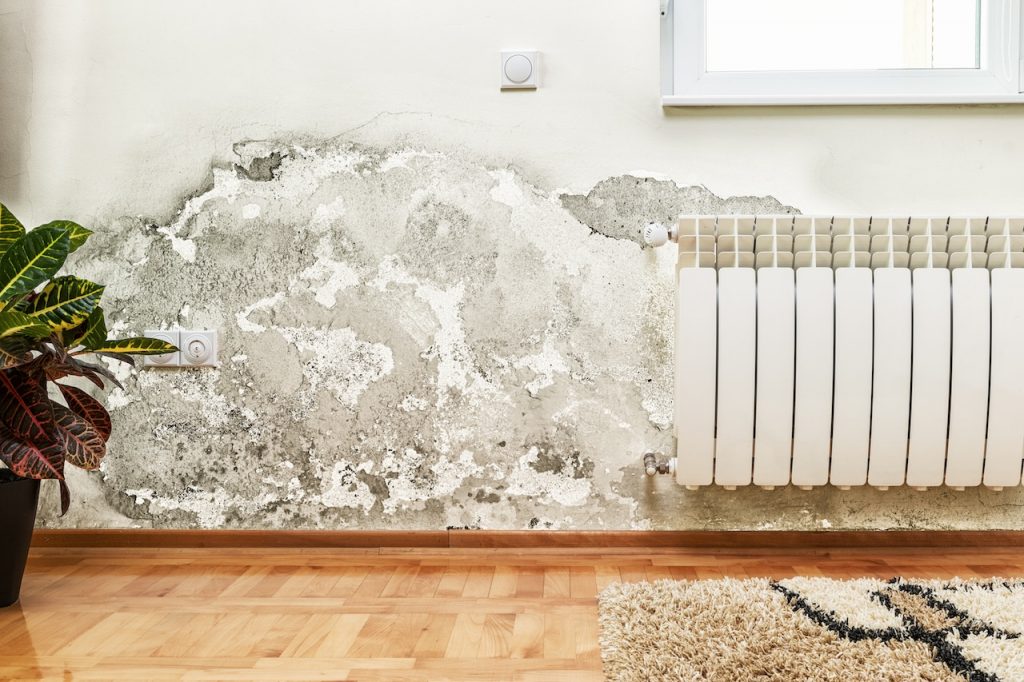
Another telling symptom is the presence of damp spots or discoloration on walls, ceilings, or floors. These areas may appear as water stains, often yellow or brown, signaling moisture accumulation.
Over time, these spots may feel spongy or warm to the touch, particularly when leaks originate behind walls or ceilings. Detecting these early helps avoid mold development and structural weakening.
Sound detection offers a practical method for early leak identification.
Persistent, faint dripping or hissing noises, especially in quiet spaces or at night, can indicate pressurized water escaping from pipes. Specialized acoustic listening devices used by plumbing professionals can pinpoint such leaks with high accuracy, but homeowners can start by simply tuning into unusual sounds around plumbing zones.
Subtle changes in indoor air quality—such as increased humidity or musty odors—could also reflect hidden leaks fostering mold growth.
This problem often occurs around plumbing fixtures, hidden pipe junctions, or beneath sinks. Prolonged exposure to elevated humidity can affect both health and building integrity, underscoring the importance of promptly addressing these early indicators.
Lastly, visible corrosion or mineral deposits around faucets, joints, or pipe connections should not be ignored.
Even minor drips can cause buildup of white or greenish residue, discernible on surfaces and fixtures, which may eventually lead to pronounced leaks. Routine inspections of such components, especially in older plumbing systems, enable early intervention before leaks escalate.
Step-by-Step Process for Conducting Leak Inspections
Detecting water leaks early requires a methodical approach that combines observation, technology, and systematic verification. Begin by thoroughly inspecting areas where leaks commonly occur, such as under sinks, around toilets, near water heaters, and along visible plumbing lines.
Use a strong flashlight to identify any damp spots, discoloration, or mold growth on walls, ceilings, and floors, as these signs often indicate hidden moisture intrusion.
Next, check the water meter to establish a baseline for your water usage. Turn off all water fixtures and appliances, then observe the meter for several minutes.
If the meter continues to register flow, this suggests a leak somewhere in the system. This simple yet effective step can help pinpoint leaks that are not yet visible to the naked eye.
After the initial visual inspection and meter check, employ specialized detection tools for greater accuracy.
Acoustic leak detectors amplify the sound of water escaping from pipes, allowing you to locate leaks concealed behind walls or underground. Infrared thermography cameras identify temperature differences caused by moisture, revealing damp areas that may otherwise be unnoticed.
These devices are particularly valuable in larger buildings where manual inspection is impractical.
Focus on problem spots that commonly cause leaks, such as aging copper or PVC pipes that show corrosion or cracks, faulty seals, and pressure relief valves in water heaters. In colder climates, ensure pipe insulation is intact to prevent freezing and subsequent bursting. Document findings meticulously, noting locations and severity, which is essential if professional repairs become necessary.
Extra fact:
In many regions, unnoticed water leaks in households can account for up to 10% of total water usage, yet certain local regulations now mandate the installation of advanced leak detection devices in new constructions to curb waste and reduce utility costs. Early detection not only conserves water but also helps property owners avoid hefty fines and expensive repairs linked to these compliance standards.
Using Technology and Tools to Detect Water Leaks Early
Early detection of water leaks is significantly enhanced through the strategic use of technology and specialized tools designed to identify issues before they escalate into costly damage. Among the most effective options are smart water sensors, which can be installed near pipes, faucets, water heaters, or under sinks.
These devices continuously monitor moisture levels and abnormal water flow, immediately alerting homeowners or facility managers via smartphone apps when a potential leak is detected. For example, consumer-grade sensors like the Flo by Moen or Phyn Plus systems not only detect leaks but also analyze water usage patterns to flag unusual activity, providing a proactive safeguard that goes beyond traditional visual inspections.
Another critical technology is the use of acoustic leak detection equipment. This method involves specialized sensors that pick up the sound frequencies generated by water escaping from pipes under pressure.
Plumbing professionals use handheld or fixed acoustic detectors to pinpoint the exact location of hidden leaks, even behind walls or under floors, preventing unnecessary demolition and enabling targeted repairs. Advanced devices may incorporate AI algorithms to differentiate leak sounds from ambient noise, increasing accuracy in complex environments like commercial buildings or multifamily housing.
Infrared thermography complements these tools by detecting temperature anomalies associated with leaking water, particularly in heating or cooling systems. It allows technicians to capture thermal images that reveal wet insulation or water intrusion areas not visible to the naked eye.
This technique is widely employed in building inspections, especially in regions with strict water conservation regulations or for compliance in insurance assessments.
Integration of these technologies can be managed through centralized platforms that aggregate sensor data and provide analytics to facility managers or homeowners, enabling evidence-based maintenance decisions. Incorporating automated shutoff valves triggered by leak detection systems further mitigates damage by immediately stopping water supply upon anomaly detection.
Embracing these technological solutions modernizes leak surveillance, reduces water waste, and lowers repair costs by enabling timely interventions before small leaks develop into extensive, damaging problems.
Preventative Maintenance Practices to Minimize Leak Risks
Implementing a consistent regimen of preventative maintenance is essential to reducing the risk of undetected water leaks that can cause costly damage and health hazards. Regular inspection of plumbing systems, especially in older buildings, helps identify early signs of wear such as corrosion, loose fittings, or minor drips.
For example, checking visible pipes under sinks and around water heaters every few months can catch small leaks before they develop into significant issues.
Beyond visual inspections, integrating smart leak detectors can transform leak prevention by providing real-time alerts. These devices, installed near potential vulnerable points like washing machines, water meters, or sump pumps, use sensors to detect moisture or unusual flow patterns. Early warnings enable homeowners and facility managers to act swiftly, limiting water wastage and structural damage.
Annual professional servicing of critical components, including water heaters, pressure regulators, and valves, is a best practice endorsed by plumbing standards.
Professionals not only check for leaks but also assess system pressure and pipe integrity, ensuring the entire network functions optimally. This proactive approach is particularly vital for commercial properties, where undetected leaks can disrupt operations and inflate utility costs.
Maintaining proper water pressure is another preventative measure. Excessive pressure can strain joints and cause premature failure, while too low pressure might indicate blocked or leaking pipes.
Installing a pressure regulator or adjusting existing ones can preserve the longevity of plumbing infrastructure.
Routine maintenance should also include keeping the area around plumbing fixtures clean and accessible. Accumulated debris or concealment within cabinets may delay leak detection.
Good housekeeping practices combined with scheduled checks empower occupants to spot subtle signs—such as discoloration or dampness—before leaks escalate.
Finally, updating old piping with contemporary materials like PEX (cross-linked polyethylene) can drastically reduce leak risks. Compared to galvanized steel or copper, PEX offers flexible, corrosion-resistant, and easier-to-install alternatives that enhance system reliability over time.
Common Leak Sources and How to Monitor Them Effectively
Water leaks often originate from specific, identifiable sources within a property, making targeted monitoring critical for early detection. One of the most frequent culprits is the network of household plumbing pipes, especially those hidden behind walls or beneath floors. These pipes can develop microscopic cracks due to corrosion, joint failures, or aging materials, leading to slow leaks that gradually escalate.
Monitoring these requires visual inspections where possible and the use of moisture meters or infrared thermography to detect unusual dampness before it manifests as visible damage.
The water heater is another common leak point. Tanks can rust or develop pressure valve failures, resulting in drips or sudden bursts.
Regularly checking for pooling water beneath or around the heater, and inspecting pressure release valves for signs of corrosion or mineral buildup, allows homeowners and facility managers to address issues promptly.
Fixtures and connections, such as faucets, showerheads, and toilet seals, are often overlooked but represent a significant source of leaks. Over time, washers and seals degrade, allowing water to escape quietly.
Periodic testing, such as observing water meter readings with all fixtures turned off, can reveal unexpected flow, guiding targeted fixture inspections.
Irrigation systems, whether residential or commercial, frequently experience leaks due to cracked pipes, faulty valves, or clogged sprinkler heads. These may cause water pooling or soggy soil areas. Monitoring involves both visual grounds inspection and the use of soil moisture sensors and flow meters to detect abnormal water usage patterns early.
Lastly, structural elements like roofs and basements can harbor slow leaks impacting internal water lines or stormwater drainage systems.
Installing water leak detectors with automatic shutoff features near vulnerable locations, combined with scheduled professional assessments, significantly reduces risk.
By focusing on these common leak sources with appropriate monitoring techniques tailored to each, property owners can identify leaks at their inception, prevent costly water damage, and conserve resources effectively.
Benefits of Early Leak Detection for Homeowners
Discovering a water leak promptly can prevent extensive damage that often remains hidden behind walls or beneath floors for weeks or even months. Undetected leaks risk warping wooden structures, weakening drywall, and causing mold growth, which can jeopardize both the integrity of the building and the health of its occupants. For homeowners, early detection is more than just preventing costly repairs; it is about maintaining a safe living environment.
One practical advantage of early leak detection is the considerable reduction in water bills.
Even small leaks, such as a slow drip from a faulty pipe joint or a leaking toilet valve, can waste hundreds of gallons of water per month. Soil saturation near the foundation—visible as constantly damp patches in the garden or unusually lush spots—often signals an underground leak that can exacerbate structural issues over time.
Addressing such issues promptly can save thousands in both utility costs and remedial construction work.
Modern technology has made leak identification more accessible and precise. Devices like smart water meters and acoustic sensors detect anomalies in water flow, issuing alerts before visible signs of damage emerge.
For example, certain smart home systems can notify a homeowner via smartphone if water usage spikes during typical low-usage hours, indicating a possible concealed leak. Employing these tools aligns with best practices recommended by plumbing professionals and insurance providers, who often offer incentives for preventive maintenance.
Many homeowner insurance policies mandate timely leak detection and repair to qualify for coverage on water damage claims.
Prompt action not only ensures financial protection but demonstrates responsible property management. In regions prone to freezing temperatures, identifying and fixing leaks before winter reduces the risk of burst pipes and associated emergencies.
Long-Term Cost Savings from Prompt Leak Identification
Identifying water leaks early can significantly reduce financial burdens over time, preventing expenses that often escalate unnoticed. Undetected leaks do more than just waste water; they compromise structural integrity, increase utility bills, and trigger costly repairs that could have been avoided.
A major source of long-term savings stems from limiting damage to building materials. For example, a small leak behind a wall may not be apparent until mold growth or wood rot has extensively developed.
At that stage, repair costs multiply due to demolition, replacement of insulated drywall, and specialized mold remediation. By catching leaks early, homeowners and property managers avoid these complex interventions and thus protect both their investment and indoor air quality.
On the utility side, even minor leaks contribute to inflated water bills that silently drain household budgets.
According to environmental studies, a single dripping faucet can waste over 3,000 gallons annually. Early detection keeps consumption in check, directly translating into monthly savings and more sustainable water use. Smart technologies such as sensor-based leak detectors or wireless meter monitors enhance this by spotting anomalies instantly, enabling a proactive approach rather than a reactive expense.
Insurance claims present another financial aspect.
In many cases, carriers might deny coverage for damage resulting from prolonged neglect of maintenance duties, including slow leaks. Prompt identification demonstrates responsible property management, which can influence claim approvals and premium rates.
Moreover, commercial entities with larger infrastructures benefit disproportionately from early leak detection given the scale and complexity involved.
Beyond tangible expenses, preserving the lifespan of plumbing fixtures and infrastructure is a subtle but impactful cost saver. Constant leaks accelerate wear on pipes and joints, often leading to recurring repairs or premature replacement. Addressing leaks before they enlarge maintains system efficiency and reduces the frequency of disruptive repairs.
Integrating Water Leak Detection into Routine Home Repairs
Regular home repairs offer an invaluable opportunity to identify and address water leaks before they escalate into costly structural damage or mold growth. Incorporating water leak detection into tasks like faucet repairs, appliance maintenance, or bathroom renovations ensures that small issues are caught early. For example, when replacing a faucet or fixing a dripping tap, carefully inspecting the supply lines and connections for moisture or corrosion can reveal hidden leaks that might otherwise go unnoticed.
During routine maintenance of appliances such as washing machines, dishwashers, or water heaters, it is essential to examine the flexibility and integrity of hoses and seals.
Many leaks occur due to worn-out washers, loose fittings, or tiny perforations that develop over time. Using a moisture meter or a simple visual check under and behind appliances can help homeowners detect damp areas indicating a leak.
Another practical approach involves checking common leak points during seasonal tasks like gutter cleaning or roof inspections.
Water infiltration often starts where roof flashing or gutters fail, causing interior leaks that damage walls or ceilings. Integrating infrared thermography during these inspections can reveal temperature anomalies linked to hidden moisture without invasive drilling or dismantling.
Homeowners can also benefit from installing smart water leak detectors near potential trouble spots such as under sinks, behind toilets, or at the base of water heaters. These devices alert users in real time via smartphone apps, allowing prompt action.
When performing home repairs, verifying the proper placement and functionality of these detectors is a proactive measure that complements manual inspections.
About plumbing repairs, ensuring the system complies with local building codes helps prevent leaks caused by improper installations. Engaging licensed professionals during major repairs or renovations guarantees that pipes and fixtures are sealed correctly, minimizing future leak risks. These experts often run pressure tests that simulate real conditions, pinpointing leaks invisible to the naked eye.
By embedding water leak detection into everyday home repair routines, homeowners maintain greater control over their property’s integrity, avoid unexpected water damage, and extend the lifespan of plumbing systems and appliances.
Watch this related video:
If you found this article interesting, share it with those who might need it.


