
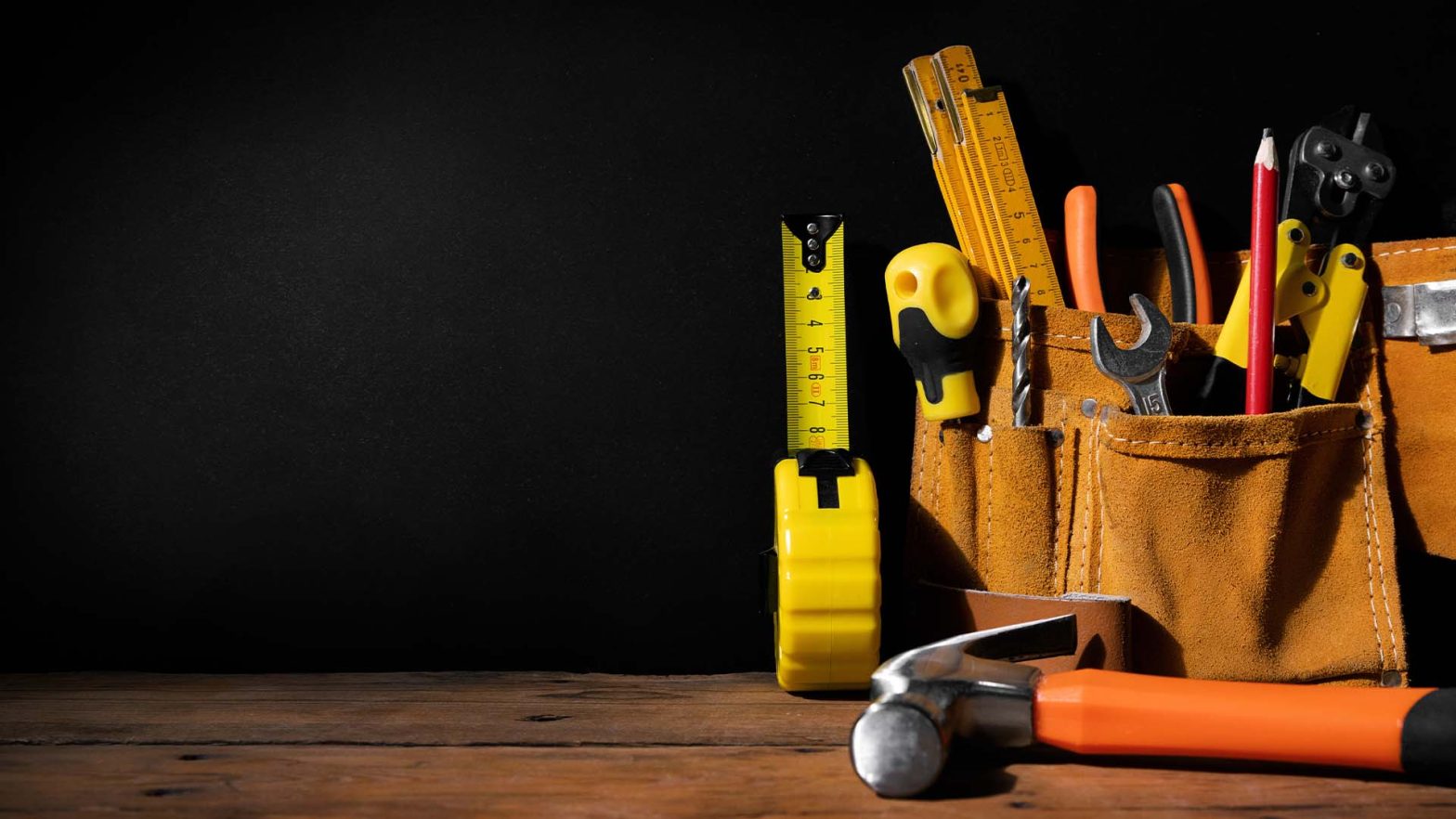
Owning a home involves careful planning, informed decision-making, and risk prevention—areas where professional consultation and advisory prove invaluable. Equipping yourself with essential tools not only simplifies maintenance but enhances your quality of life. Ready to empower your homeowner journey with smart choices?
Essential hand tools every homeowner needs for repairs
For homeowners, having a reliable set of hand tools is fundamental to handling everyday repairs and minor improvements without delay or extra expense. While power tools have their place, essential hand tools offer versatility, ease of use, and precision for routine tasks such as fixing a leaking faucet, assembling furniture, or tightening loose screws.
A high-quality claw hammer is arguably the most indispensable tool.
It serves both for driving nails and for prying apart materials during demolition or adjustment. Select one with a balanced weight around 16 ounces for general work, ensuring comfort and control.
Screwdrivers come next, and a versatile homeowner typically needs a set including flathead and Phillips head of various sizes. Magnetic tips can prevent frustration by holding screws in place during insertion or removal.
In addition, a precision screwdriver set is invaluable for small electronics or intricate hardware repairs.
The adjustable wrench supports plumbing and mechanical fixes requiring nuts and bolts of different sizes. Having one or two adjustable wrenches reduces the need for carrying a bulky set of fixed-size wrenches, fostering efficiency and space-saving.
For gripping, twisting, and cutting wires, a pair of needle-nose pliers is a must-have.
Their narrow tips allow access into tight spaces like electrical boxes, while jaws with gripping surfaces facilitate bending or extracting nails or pins. Additionally, include a pair of lineman’s pliers for tougher wire cutting and electrical tasks.
Measuring accurately is critical in any repair. A trusty tape measure of at least 5 meters (16 feet), preferably with both metric and imperial markings, supports everything from hanging pictures to building shelves.
A carpenter’s level, even a small torpedo model, ensures installations are straight and professional-looking.
Lastly, a simple but effective utility knife helps cut drywall, open packages, or trim materials with precision. Replaceable blades enhance safety and extend the tool’s lifespan.
Investing in these fundamental hand tools empowers homeowners to confidently and efficiently tackle common household repairs, reducing waiting times for professional help and preserving a well-maintained living environment.
Power tools that simplify household maintenance tasks
Power tools have revolutionized routine home maintenance by significantly reducing the time and effort required for many tasks. For homeowners, investing in a versatile set of these tools not only increases efficiency but also enhances the quality and durability of repairs and improvements.
One indispensable power tool is the cordless drill driver.
Its mobility and adjustable torque settings make it ideal for drilling holes, driving screws, and even mixing paint or thinset when paired with the appropriate attachment. Selecting a model with a lithium-ion battery ensures longer run time and less weight, which is crucial for overhead or tight-space work. For example, assembling furniture and mounting shelves become quicker and less strenuous with a reliable cordless drill.
Another essential device is the oscillating multi-tool, known for its ability to perform a wide range of functions including cutting, sanding, scraping, and grinding.
This tool’s interchangeable blades and attachments allow precision work on materials such as drywall, wood, metal, and plastic. A homeowner might use it to carefully trim door casings for new flooring or remove old grout without damaging surrounding tiles.
For outdoor maintenance, a cordless string trimmer simplifies lawn edge finishing, which helps maintain a neat curb appeal without the noise and fumes of gas-powered models. Lightweight designs with adjustable shafts adapt to the user’s height and reduce fatigue during extended use.
When working with wood, the random orbital sander is invaluable for smoothing surfaces before painting or staining, ensuring a professional finish.
Its random sanding pattern prevents swirl marks often left by cheaper sanders, making it suitable for delicate cabinetry or furniture restoration projects.
Choosing power tools with ergonomic grips, brushless motors, and compatible battery platforms enhances user comfort and long-term investment value. Additionally, adhering to safety guidelines and using proper protective gear maximizes their benefits while minimizing risks.
Safety equipment to protect homeowners during DIY projects
Home improvement and repair tasks come with inherent risks, making the right safety equipment just as essential as the tools themselves. Protecting yourself during DIY projects is critical to prevent injuries that could range from minor cuts to serious accidents involving power tools or hazardous materials.
A fundamental piece of safety gear is protective eyewear.
Safety glasses with impact-resistant lenses shield your eyes from debris, dust, and chemical splashes. For example, when sanding wood or using a drill, small particles can cause lasting eye damage without proper protection.
Equally important are heavy-duty work gloves.
They provide grip and protect against cuts, splinters, and chemical exposure. Choosing gloves with reinforced palms and fingers is beneficial when handling rough materials, such as brick or metal, or working with solvents and adhesives. Nitrile gloves offer chemical resistance, an advantage during painting or cleaning tasks with harsh products.
To shield lungs from harmful dust, fumes, or vapors, a suitable respirator or dust mask is necessary.
Projects involving drywall, fiberglass insulation, or lead paint removal particularly require respiratory protection. Ensure the mask is rated for the specific contaminants you might encounter, such as N95 for dust or a respirator with organic vapor cartridges for solvents.
Consider hearing protection when operating loud tools like saws, nail guns, or compressors.
Prolonged exposure can cause irreversible hearing loss. Earplugs or earmuffs designed for noise reduction should be readily available and comfortable enough for extended use.
Additionally, wearing sturdy closed-toe footwear with slip-resistant soles reduces the chance of foot injuries from dropped tools or stepping on sharp objects. Steel-toe boots provide extra protection where heavy materials are moved or stored.
Each safety element complements the other, ensuring comprehensive protection tailored to the specific hazards of a project.
Keeping this equipment accessible and maintained increases homeowner confidence and encourages safer work habits throughout every task.
Organizing and storing tools for efficient home use
Having essential tools is only the first step; maintaining them in an organized and accessible manner transforms any homeowner into an effective problem-solver. An efficient storage system saves time, reduces frustration, and protects your tools from damage. Start by designating a dedicated space, such as a wall-mounted pegboard or a sturdy cabinet, specifically for your tool collection.
A pegboard allows for clear visibility of each item, making it easy to retrieve or return tools, while customizable hooks and holders accommodate various shapes and sizes, from hammers to measuring tapes.
For smaller items like nails, screws, and drill bits, invest in compartmentalized storage boxes or modular organizers with clear labels. Transparent containers prevent the need to open multiple boxes, accelerating your workflow during repairs or projects.
Magnetic strips are particularly useful for steel tools such as screwdrivers and pliers, providing quick access while keeping the workbench clutter-free.
When storing power tools, ensure they are kept in a dry environment to avoid corrosion and electrical issues. Using padded cases or foam inserts provides extra protection and prevents accidental damage during handling. Consider grouping tools by function—electrical, plumbing, gardening—so you can easily assemble everything needed for a given task without searching multiple locations.
Lighting inside the storage area is often overlooked but critical.
Well-lit shelving or portable LED setups enable safe and precise tool selection, especially during evening repairs or in dim garages. Additionally, establishing a routine to return tools to their designated spots after use maintains the system’s effectiveness over time.
For homeowners looking to expand their collection, an organized inventory list—digitally stored or a simple printed chart—helps track what is available and identifies when replacements or upgrades are necessary. This approach minimizes duplicate purchases and keeps maintenance seamless.
Tools for plumbing repairs and leak prevention
For homeowners aiming to tackle plumbing repairs and prevent leaks effectively, equipping a basic yet reliable set of tools is essential. At the core of any plumbing toolkit, a pipe wrench stands out.
Designed to grip and turn pipes securely, this tool is indispensable for tightening or loosening threaded plumbing connections, particularly in tight spaces. Investing in a quality, adjustable pipe wrench helps avoid damage to metal pipes and fittings during repairs.
Complementing the pipe wrench, a plumber’s tape (also known as PTFE or Teflon tape) is critical to ensure watertight seals on threaded joints. Proper application of this tape prevents minor leaks that, if overlooked, could escalate into costly water damage.
Additionally, a pipe cutter enables homeowners to cleanly cut copper or plastic pipes with precision, which is far superior to hacksaws for avoiding jagged edges that cause leaks.
Detecting the source of leaks often requires more than visual inspection. A moisture meter can identify hidden damp spots behind walls or beneath floors, providing early warnings before mold or structural damage develops.
For smaller leaks, a simple yet effective tool is a set of adjustable pliers that can be used to tighten loose fittings or reposition pipe clamps quickly.
Beyond tools for fixing, prevention is about routine maintenance aided by devices like leak detectors, which signal the presence of water in unwanted areas via alarms. Smart water shutoff valves, increasingly accessible for homeowners, automatically stop water flow when leaks are detected, minimizing water loss and damage.
Ensuring proper usage of these tools requires understanding pipe materials and fixture types common in your home, as different materials may need specific wrenches, tapes, or soldering techniques. Combining a practical selection of these plumbing tools with preventive devices builds confidence in managing minor repairs promptly and avoiding expensive professional interventions.
Extra fact:
Many homeowners are unaware that certain jurisdictions legally require the installation of carbon monoxide detectors, with fines imposed for non-compliance; installing these devices not only meets safety regulations but can also significantly reduce the risk of silent, potentially fatal poisoning in households using fuel-burning appliances.
Electrical repair tools for safe and effective troubleshooting
Electrical repairs are among the most common maintenance tasks homeowners encounter, and having the right set of tools is crucial for addressing issues safely and efficiently. Essential equipment includes a multimeter, which allows for accurate measurement of voltage, current, and resistance, helping to diagnose faults such as blown fuses or broken circuits without guesswork. Selecting a multimeter with clear readouts and built-in safety features, such as overload protection, enhances precision and reduces risk.
A non-contact voltage tester provides a quick way to verify the presence of live wires without direct contact, helping to prevent accidental shocks during inspection.
This tool is especially valuable when tracking down wiring problems behind walls or within outlets, ensuring that circuits are de-energized before any physical contact. Reliable testers from reputable manufacturers offer consistent sensitivity and audible alerts, improving detection confidence.
For physical repairs, insulated wire strippers are indispensable in removing insulation cleanly without damaging the copper conductors, enabling the preparation of wires for reconnection or replacement.
Using the correct gauge strippers matched to household wiring standards (commonly 14 to 12 AWG) ensures a secure and durable electrical connection. Pairing these with electrical tape or heat shrink tubing allows for proper insulation of repaired sections, maintaining circuit integrity and safety.
A quality set of screwdrivers with insulated handles facilitates the secure removal and tightening of outlet covers, switch plates, and breaker panel screws, minimizing the chance of electric shock when working near energized components. Additionally, having a circuit breaker finder can save time and frustration by quickly identifying the exact breaker controlling a given outlet or fixture, making power shutdowns more straightforward and secure.
Integrating these tools into a well-organized toolbox tailored for electrical troubleshooting equips homeowners to handle minor repairs confidently, adhering to safety norms.
While complex or unfamiliar issues should always be addressed by licensed electricians, this toolkit empowers routine maintenance and helps prevent escalation through early detection and proper intervention.
Maintenance tools that extend the lifespan of home systems
Regular maintenance is crucial for prolonging the lifespan of a home’s essential systems—such as heating, ventilation, air conditioning (HVAC), plumbing, and electrical circuits. Several specialized tools empower homeowners to perform routine checks and minor interventions, preventing costly repairs and enhancing efficiency over time.
A reliable multimeter is indispensable for diagnosing electrical issues. It measures voltage, current, and resistance, helping homeowners verify outlet functionality, test circuit breakers, or troubleshoot appliances.
Using a digital multimeter correctly can prevent electrical hazards and ensure components operate within safe parameters.
For HVAC upkeep, a refrigerant leak detector is vital. Since refrigerant leaks reduce system performance and harm the environment, detecting them early can save energy costs and avoid compressor damage.
Some advanced models use ultrasonic or infrared technology, offering precise localization of leaks inside pipes and coils.
Plumbing maintenance benefits greatly from a drain auger (also known as a drain snake). This flexible tool clears clogs deep inside pipes without the need to dismantle fixtures. Combined with a pipe wrench and a basin wrench, homeowners can tighten fittings, replace washers, or inspect for leaks before they cause water damage or mold growth.
For heating systems, especially boilers or furnaces, having a manifold gauge set helps monitor pressure and flow rates, ensuring combustion efficiency and safety.
Regular pressure readings prevent malfunctions like pilot light failures or blocked vents.
Many systems also come with accessible filters and vents. Keeping a vacuum cleaner with specialty attachments or a handheld air compressor on hand enables routine cleaning of filters, coils, and vent openings, improving airflow and preventing dust accumulation that can strain motors and fans.
While some maintenance tasks require professional expertise, equipping oneself with these tools enables timely intervention on minor issues.
This proactive approach maintains system integrity, reduces energy waste, and extends the functional life of household infrastructure.
Watch this related video:
Share this article and encourage others to learn more about this topic.


