
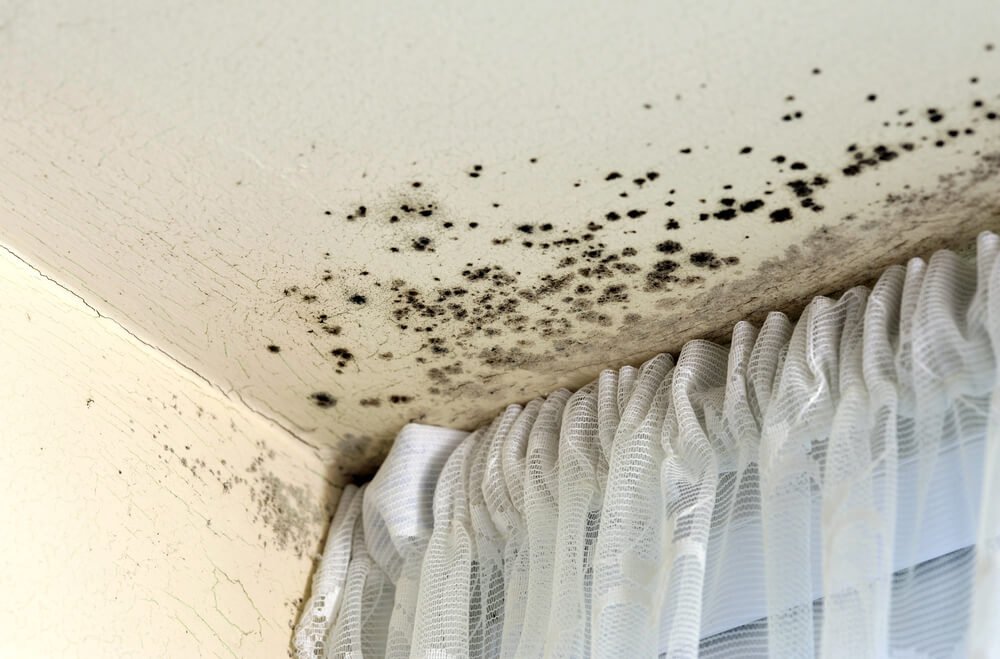
Effective risk prevention at home requires careful planning and expert advisory to tackle moisture issues early. Consultation with professionals ensures informed decision-making, helping you avoid costly mistakes and enhance living comfort. Ready to discover simple steps that protect your space effortlessly?
Effective Ventilation Techniques to Reduce Indoor Moisture
Maintaining proper airflow is crucial to controlling indoor moisture, which directly impacts the likelihood of mold growth. One of the most effective ways to manage humidity levels is through strategic ventilation that continuously replaces moist air with fresh, drier air from outside. This approach prevents condensation on walls, windows, and other surfaces—a common trigger for mold development.
Using mechanical ventilation systems such as exhaust fans in bathrooms and kitchens is essential, especially during activities that produce high humidity, like showering or cooking.
These fans should be vented outdoors and run long enough after use to clear residual moisture. For example, a kitchen exhaust fan operating during and for 15 minutes after cooking removes steam and cooking odors, significantly reducing dampness in that area.
In spaces where residual humidity persists, integrating heat recovery ventilators (HRVs) or energy recovery ventilators (ERVs) can enhance air exchange without compromising energy efficiency.
These systems extract stale, humid indoor air and bring in fresh air while transferring heat between the two streams, maintaining comfortable indoor temperatures. Implementing HRVs is particularly useful in tightly sealed modern homes where natural ventilation is limited.
Natural ventilation also plays a key role.
Regularly opening windows—especially on opposite sides of a room or building to create cross-ventilation—facilitates air movement, diluting moisture levels. This is more effective when outdoor air is significantly drier than indoor air.
In humid climates, mechanical solutions should complement natural ventilation to avoid introducing moist air.
For basements or areas prone to dampness, installing ventilation grilles or air bricks near ground level promotes continuous air circulation, reducing stagnant pockets of moisture. Combining this with the use of dehumidifiers can provide a multi-layered defense against mold by controlling indoor humidity below the critical 60% threshold recommended by experts.
Using Dehumidifiers for Long-Term Mold Prevention
Maintaining indoor air humidity at optimal levels is essential to prevent mold growth, and using dehumidifiers effectively serves this purpose, especially in areas prone to dampness. Most mold species thrive when humidity levels exceed 60%, so a quality dehumidifier can keep relative humidity between 30% and 50%, significantly reducing the likelihood of mold colonies developing.
When selecting a dehumidifier, consider the room size and the typical moisture load.
For example, basements or laundry rooms often require units with higher extraction capacities, measured in pints per day, to efficiently reduce excess moisture. Modern dehumidifiers equipped with built-in hygrometers allow users to set target humidity levels, which the device maintains automatically, offering energy-efficient operation without constant manual adjustments.
Placement is another critical factor.
Position the dehumidifier away from walls and obstacles to maximize airflow circulation, ideally near known moisture sources such as windows with condensation or around plumbing lines. Regular maintenance, including cleaning or replacing filters and emptying water reservoirs, ensures consistent performance and prevents secondary mold risks inside the appliance itself.
Integrating a dehumidifier into an overall moisture control strategy enhances its effectiveness. For instance, combining its use with proper ventilation practices—like running exhaust fans during showers or cooking—helps expel humid air rather than simply recirculating it indoors.
Additionally, attention should be paid to structural issues such as leaks or poor insulation, since a dehumidifier cannot compensate for persistent water intrusion problems.
For homeowners in humid climates or those experiencing chronic dampness, dehumidifiers with continuous drainage options eliminate the need for frequent manual draining, supporting uninterrupted mold prevention. Portable units offer flexibility, but whole-home solutions connected to HVAC systems can manage humidity levels consistently across multiple rooms.
Consulting with indoor air quality specialists can help identify hotspots and recommend the most appropriate dehumidifier models to safeguard health and preserve building materials effectively.
Identifying and Repairing Common Water Leaks Promptly
Water leaks, even minor ones, create the perfect environment for mold growth by increasing indoor humidity and allowing moisture to accumulate within walls, floors, or ceilings. Early detection and swift repairs are crucial to preventing mold infestations that can pose health risks and cause structural damage. Homeowners should routinely inspect areas prone to leaks, such as under sinks, around toilets, behind appliances, and near water heaters or HVAC units.
Visible signs like discoloration, bubbling paint, warped surfaces, or a persistent musty smell often indicate hidden leaks.
Utilizing modern tools can enhance leak identification. For instance, moisture meters measure dampness within materials, helping identify moisture build-up behind drywall or flooring.
Thermal imaging cameras can also reveal temperature differences caused by water intrusion, providing a non-invasive method to pinpoint leaks. Many plumbing professionals offer diagnostic services using such technology, which not only locates leaks but also assesses their extent, enabling targeted repairs.
Once identified, addressing leaks requires an approach tailored to the source and severity. For example, a leaking faucet often demands tightening or replacing worn washers, while a persistent leak in a pipe joint may necessitate professional intervention to replace damaged sections.
Ignoring slow leaks, even from dripping pipes or condensation on plumbing fixtures, leads to prolonged moisture exposure that fosters mold proliferation. Prompt repair minimizes damage scope and reduces costs linked to extensive mold remediation.
Preventative maintenance plays a vital role in reducing leak risks. Regularly inspecting and servicing plumbing systems, replacing old or corroded pipes, and ensuring proper sealants around bathtubs and shower enclosures mitigate leakage chances.
Homeowners should also maintain gutters and downspouts to prevent water from seeping into foundations, which can indirectly cause damp conditions indoors.
Incorporating these practices into routine home care helps maintain dry conditions and significantly lowers mold development risk. Properly repairing leaks not only protects human health but preserves the home’s value and structural integrity over time.
Choosing Mold-Resistant Materials for Home Renovations
Renovating a home with mold prevention in mind starts by carefully selecting materials designed for resilience against moisture and fungal growth. Opting for mold-resistant drywall or green board, which contains additives to inhibit mold spores, is essential especially in bathrooms, basements, and kitchens where humidity is persistently higher.
Unlike standard drywall, these specialized boards have proven efficacy in reducing the likelihood of mold colonization behind walls.
Floors and trim materials can also limit mold risk when chosen appropriately. For example, vinyl or ceramic tiles with sealed grout lines prevent water infiltration far better than porous natural stone or untreated wood.
In basements, engineered wood flooring treated with moisture barriers not only enhances durability but also minimizes mold development beneath the surface. For baseboards and moldings, synthetic composites that repel moisture provide an extra layer of protection compared to traditional wood.
Paints and coatings formulated with mildew-resistant chemicals contribute another important layer of defense.
Applying these specifically in damp-prone areas ensures surfaces stay dry and less hospitable to mold spores. Moreover, using waterproofing membranes on exterior walls and foundations helps prevent moisture from migrating into interior spaces, particularly in climates with frequent rainfall or high humidity.
Insulation choice significantly impacts mold prevention as well.
Materials such as spray foam or rigid foam boards that do not absorb water help maintain a dry envelope, while traditional fiberglass can trap moisture if improperly installed. Ensuring proper ventilation in conjunction with these materials further reduces condensation and microbial growth.
When planning renovations, integrating these mold-resistant products doesn’t just protect health and comfort—it can also enhance the home’s long-term value by lowering maintenance costs and preserving structural integrity.
Consulting with construction professionals familiar with local climate challenges and building codes ensures that material choices align with best practices and regulatory requirements, ultimately delivering a safer, more durable living environment.
Maintaining Clean and Dry Surfaces to Inhibit Mold Growth
Moisture is the primary catalyst for mold development, which makes keeping surfaces clean and dry essential for effective prevention. Mold spores require damp environments to thrive, so controlling wetness on frequently exposed surfaces is crucial.
Areas such as bathroom tiles, kitchen counters, window sills, and basements are particularly vulnerable due to steam, splashes, or condensation.
Immediately addressing water spills and leaks helps to eliminate the ideal conditions mold needs. For instance, after showering, wiping down tiles and glass surfaces removes residual water and reduces humidity accumulation.
Similarly, drying kitchen sinks and surrounding areas after dishwashing prevents prolonged dampness. In basements or crawl spaces prone to moisture intrusion, using moisture absorbers or dehumidifiers can maintain relative humidity below 60%, a threshold unfavorable for mold growth.
Another critical practice is regularly inspecting and maintaining surfaces. Even small leaks under sinks or behind appliances can create hidden damp pockets that foster mold colonies before visible signs appear.
Replacing worn-out seals around windows and plumbing fixtures seals moisture entry points. Using materials with mold-resistant properties, such as treated drywall or mold-inhibiting paints in high-humidity zones, adds an extra protective layer.
Cleaning techniques also play a role in controlling mold spores.
Employing non-toxic cleaners with anti-fungal ingredients helps eradicate spores lingering on surfaces. For routine cleaning, solutions containing diluted bleach, vinegar, or specialized mold inhibitors are effective, particularly on non-porous materials like ceramic and metal.
However, porous materials such as wood or fabric may require more frequent attention or professional treatment to fully remove contamination.
Controlling Humidity Levels with Energy-Efficient Solutions
Maintaining optimal humidity levels indoors is essential to inhibit mold growth, yet it requires solutions that do not compromise energy efficiency. Excess moisture provides the perfect environment for mold spores to thrive, especially when relative humidity exceeds 60%.
To address this, it is important to monitor and control humidity using energy-conscious methods tailored to the home’s specific conditions.
Dehumidifiers equipped with energy-saving features provide targeted moisture removal without unnecessarily increasing electricity consumption. Modern units often include humidity sensors that activate the device only when indoor levels rise above preset thresholds, avoiding continuous operation.
For instance, Energy Star-certified dehumidifiers can reduce energy costs by up to 20% compared to conventional models, making them both environmentally and economically beneficial.
Natural ventilation strategies also contribute to humidity control while reducing reliance on electric devices. Implementing periodic cross-ventilation—opening windows on opposite sides of the house for short durations—helps exhaust humid indoor air, especially after activities like cooking or showering.
However, this must be balanced against outdoor weather conditions and air quality, as excessive cold or pollution can negate benefits.
Incorporation of mechanical ventilation systems with heat recovery (known as HRV or ERV) represents an advanced energy-efficient approach. These systems exchange stale indoor air with fresh outside air, simultaneously recovering heat or coolness to minimize thermal losses.
By maintaining stable air exchange and moisture levels, HRV and ERV units prevent humidity buildup that fosters mold while conserving energy and maintaining comfort.
Additionally, controlling indoor humidity can be enhanced through home insulation and vapor barriers, which reduce condensation on cold surfaces—a common mold hotspot. Ensuring that walls, floors, and ceilings are properly insulated with materials that limit moisture transmission assists in keeping humidity at manageable levels without increasing heating or cooling demands.
By integrating these solutions—energy-efficient dehumidifiers, selective ventilation practices, advanced mechanical ventilation systems, and proper insulation—homeowners can effectively manage indoor humidity.
This holistic approach avoids the common pitfall of simply increasing heating or air conditioning, which often leads to wasted energy and insufficient moisture control, thereby sustainably preventing mold growth.
Extra fact:
Research indicates that controlling indoor humidity below 60% can reduce mold growth by up to 90%, a threshold increasingly regulated in new construction codes across Europe and North America to enhance public health. This shift stems from recent medical findings linking chronic exposure to mold spores with respiratory issues and heightened allergy risks, prompting stricter ventilation and moisture control standards in residential buildings.
Regular Inspection and Cleaning of Hidden Mold-Prone Areas
Areas like behind appliances, underneath sinks, inside closets, and around window frames often accumulate moisture unnoticed, creating ideal conditions for mold growth. Regular inspection of these hidden spots is essential to catch early signs before mold becomes established and spreads.
Focus on places where humidity tends to linger due to inadequate ventilation or water leaks.
For instance, checking the seepage beneath kitchen cabinets after dishwashing or inspecting the bathroom exhaust vent for blockages can significantly reduce mold risks. Using a flashlight to look in dark corners or behind large furniture helps identify dampness or discoloration early.
Cleaning should go beyond visible surfaces. Mold spores often colonize porous materials such as drywall, wood paneling, and insulation.
When cleaning, opt for solutions with antimicrobial properties, such as diluted vinegar or commercially available mold cleaners tailored for household use. Proper application—letting the cleaner sit for several minutes before wiping—improves effectiveness without damaging surfaces.
During these routines, be mindful of the HVAC system’s drip pans and filters, which can harbor mold if clogged or moist.
Replacing filters regularly and removing standing water prevents mold formation in air ducts, which otherwise spread spores throughout the home.
In regions with consistently high humidity, consider using a moisture meter to monitor hidden areas. This tool helps detect elevated moisture levels behind walls or under flooring that might not be visible.
Early detection supports timely repairs of leaks or improvements in ventilation before mold colonies develop.
Keeping a schedule—such as monthly inspections and quarterly cleanings of mold-prone spaces—creates a structured approach to home maintenance. Documenting findings and preventive actions taken also aids in addressing persistent issues systematically, ensuring long-term mold control and a healthier living environment.
Watch this related video:
Has this article helped you? Share the knowledge with others.


