
Effective air conditioning troubleshooting requires expert consultation and careful planning to prevent risks and ensure optimal performance. Professional advisory supports informed decision-making, helping homeowners avoid costly mistakes and enhance comfort. Ready to gain the confidence needed to tackle common AC challenges with ease?
Identifying Common Air Conditioning System Failures and Causes
One of the most frequent reasons homeowners seek help with their air conditioning (AC) systems is because the unit fails to cool properly. A common culprit behind this issue is a dirty or clogged air filter, which restricts airflow and forces the system to work harder, reducing its efficiency and lifespan.
Regularly checking and replacing filters can often prevent this failure.
Another prevalent problem is the refrigerant leak. Refrigerant is essential for the cooling cycle, and even a small leak can lead to reduced cooling performance and energy waste. Signs include ice formation on the evaporator coils or hissing sounds near the outdoor unit.
Homeowners should recognize that refrigerant handling requires professional technicians due to environmental regulations and safety considerations.
Faulty components within the electrical system, such as a malfunctioning capacitor or contactors, often cause intermittent operation or complete system shutdowns. Electrical wear and tear or exposure to moisture can degrade these parts over time. Identifying these issues typically involves a qualified HVAC technician using specialized equipment, as improper handling can pose safety risks.
Inadequate maintenance of the outdoor condenser unit is another frequent failure source.
Obstructions like dirt, leaves, or vegetation can reduce heat exchange efficiency, causing the compressor to overheat and shut down prematurely. Ensuring the outdoor area is clean and free of debris supports reliable operation.
Thermostat malfunctions also often lead to cooling issues.
Inaccurate readings, dead batteries, or wiring faults may prevent the system from activating when needed. Upgrading to a modern programmable thermostat can help homeowners achieve better control and energy savings while minimizing troubleshooting headaches.
Step-by-Step Procedures for Basic AC Troubleshooting at Home
Begin basic AC troubleshooting at home by first verifying the power supply. Check that the unit is properly plugged in and the circuit breaker or fuse controlling the air conditioner has not tripped.
Often, an unexpectedly halted AC results from a simple power disruption. If a breaker has flipped, resetting it may restore functionality, but if it immediately trips again, professional inspection is advisable to prevent electrical hazards.
Next, examine the thermostat settings to ensure they correspond to your desired temperature and mode. For example, if the thermostat is set to ‘heat’ during summer months, the AC will not activate.
Lowering the temperature below the room’s current temperature while on ‘cool’ mode initiates system operation. Additionally, verify that the thermostat’s batteries are fresh if it operates independently from the main power.
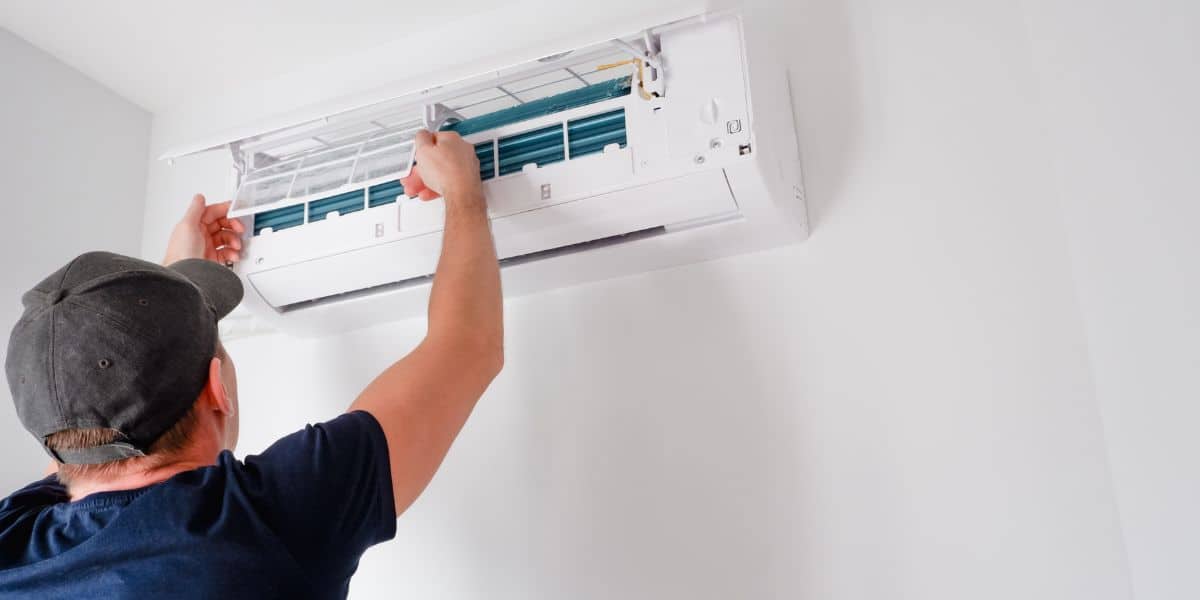
Inspect the air filter—a clogged or dirty filter can drastically reduce airflow, causing poor cooling efficiency and potential overheating.
Depending on the type, air filters usually require cleaning or replacement every 1-3 months. For instance, a visibly dusty or darkened filter signals the need for immediate attention, which can significantly improve performance and indoor air quality.
Another common cause of malfunction is blocked or dirty condenser coils located in the outdoor unit. Accumulated debris, leaves, or dust limit heat transfer, forcing the system to overwork.
Careful cleaning with a garden hose on low pressure or using a soft brush can restore proper airflow. However, avoid harsh chemicals or abrasive tools to prevent damage to the fins.
Evaluate the drainage system for any clogs or leaks. Most air conditioners produce condensation that drains through a dedicated line.
If the drainpipe is obstructed, water may back up and trigger an automatic shutdown or leaks inside the home. Clearing the drain line with a wet/dry vacuum or specialized brush can resolve this issue.
Essential Tools and Safety Measures for DIY Air Conditioner Repairs
Successful and safe DIY air conditioner repairs depend heavily on having the right tools and observing critical safety protocols. Before attempting any troubleshooting or maintenance, it’s important to acquire specific equipment such as a multimeter for electrical testing, a refrigeration pressure gauge set to check system pressures, and insulated hand tools to avoid electrical shocks. Additionally, a flashlight with a flexible neck proves invaluable in inspecting confined parts like evaporator coils or fan motors.
Protective gear is equally essential.
Wearing electrically insulated gloves minimizes risks when handling electrical components, while safety goggles shield your eyes from debris or chemical sprays, especially when dealing with refrigerants. A dust mask is advisable if the system shows signs of mold or accumulated dust, safeguarding respiratory health during cleaning tasks.
Understanding your air conditioner’s electrical disconnect method is a key safety measure. Always turn off power via the dedicated circuit breaker or external disconnect switch before opening panels or touching wiring.
This prevents accidental electrocution or system damage. For example, some central air conditioning units have an exterior disconnect box near the condenser; confirming power is off there avoids exposing yourself to live circuits.
When handling refrigerants, caution is paramount. Refrigerants can cause frostbite or respiratory irritation.
Only certified technicians are legally permitted to recharge or handle refrigerants due to environmental regulations. Homeowners should never attempt refrigerant charging but may check system pressures to identify leaks or blockages.
Lastly, keeping a clean workspace and avoiding wet surfaces reduces the chance of slips and electrical hazards. Organizing tools on a non-conductive mat and having a fire extinguisher rated for electrical fires nearby are practical safeguards.
Combining the right arsenal of tools with thorough safety practices not only streamlines troubleshooting but also protects both the homeowner and the unit from harm.
Diagnosing and Resolving Airflow and Cooling Performance Issues
Airflow and cooling performance problems are common culprits behind an underperforming air conditioning system. To accurately diagnose these issues, start by inspecting the air filters.
Dirty or clogged filters restrict airflow, forcing the system to work harder and reducing cooling efficiency. Replacing or cleaning filters every 1 to 3 months, depending on usage, is essential maintenance that often resolves many airflow complaints.
If the filters are clean, check the air vents and registers throughout the home. Blocked or closed vents disrupt the balance of air distribution, leading to hotspots and uneven cooling.
Ensure all vents are fully open and unobstructed by furniture or drapes to allow optimal air circulation.
Another critical component to examine is the evaporator coil. When dirty or iced over, the coil limits heat exchange, which diminishes cooling output. Visible frost or a slimy coating signals coil issues typically caused by low refrigerant levels or poor airflow.
In these cases, professional cleaning or recharging the refrigerant might be necessary.
Uneven cooling or weak airflow can also stem from ductwork problems. Leaks or disconnected sections reduce system efficiency and increase energy costs. Inspect accessible ducts for obvious damage or use thermal imaging tools during professional inspections to locate hidden leaks.
Sealing and insulating ducts can restore proper pressure and airflow.
Finally, assess the outdoor unit to ensure the condenser coil is clean and free of debris like leaves or dirt, which can impair heat dissipation. In hot climates, shading the unit while maintaining adequate clearance improves performance.
Addressing these factors systematically will often restore proper airflow and cooling efficiency, but persistent issues should be evaluated by a licensed HVAC technician to test refrigerant pressure and mechanical components.
Proactive attention to these elements ensures lasting comfort and operational savings.
Extra fact:
In many regions, building codes mandate minimum energy efficiency standards for residential air conditioning units, not only to reduce environmental impact but also to protect homeowners from excessively high electricity bills—an aspect often overlooked during installation and maintenance decisions.
Maintaining and Cleaning Components to Prevent Future Breakdowns
Regular upkeep is essential to extend the lifespan of your air conditioning system and minimize unexpected breakdowns. One of the most effective preventive measures is routine cleaning of key components that tend to accumulate dust, dirt, and debris over time. For instance, the air filters play a crucial role in maintaining indoor air quality and system efficiency.
Clogged filters restrict airflow, forcing your AC to work harder and increasing the risk of mechanical failure. Depending on your usage and environment, replacing or cleaning filters every 1 to 3 months can significantly improve performance.
The evaporator and condenser coils also require attention. These components facilitate heat exchange, and dirt buildup on coils reduces their ability to absorb and dissipate heat.
This not only strains the compressor but also compromises cooling capacity. A thorough cleaning at least once a year, or sooner in dusty or polluted areas, helps maintain optimal thermal transfer and energy efficiency.
Carefully using coil cleaners or having a professional service ensure the coils are cleaned without damaging delicate fins or refrigerant lines.
Another overlooked aspect is checking and clearing the drain lines and pans. Blocked condensate drains cause water leakage and may damage electrical parts or foster mold growth. Flushing the drain lines with a mild bleach solution periodically prevents clogs and keeps moisture flowing properly.
Additionally, inspecting wiring connections and lubricating moving parts such as fans will reduce wear and potential short circuits.
Monitoring refrigerant levels is vital as well, though this typically requires professional intervention. Low refrigerant can indicate leaks and results in insufficient cooling and higher energy consumption.
Scheduling annual maintenance with a qualified HVAC technician allows early detection of such issues. Embracing these maintenance habits not only prevents costly repairs but also ensures your air conditioner operates quietly, efficiently, and reliably throughout its service life.
When to Call Professional HVAC Technicians for Complex Problems
Identifying when an air conditioning issue surpasses basic troubleshooting is crucial for ensuring both safety and system longevity. Certain symptoms clearly indicate that the problem requires intervention from professional HVAC technicians rather than DIY fixes. For instance, if your AC unit experiences frequent short cycling—turning on and off rapidly—or if it completely fails to power on despite a functional electrical supply, these are signs of underlying electrical or mechanical faults best handled by certified experts.
Another critical situation warranting professional involvement is the presence of unusual noises such as grinding, banging, or screeching.
These sounds can point to worn bearings, motor failures, or damaged fan blades within the compressor or blower assembly. Attempting repairs without proper tools or expertise not only risks further damage but may also void manufacturer warranties.
Leaks of refrigerant represent a particularly complex challenge, involving regulated chemicals that require specialized handling under environmental safety standards like the EPA’s Section 608 certification.
If your system’s cooling capacity diminishes significantly, combined with oily residue or hissing sounds near tubing connections, this usually signals refrigerant leaks. Only trained technicians should perform leak detection and recharging, as improper procedures can harm both the environment and system performance.
Additionally, persistent issues with the thermostat, such as inaccurate temperature readings or unresponsiveness despite replacing batteries or recalibrating, often stem from intricate wiring faults or sensor malfunctions. Diagnosing and resolving these problems typically demand advanced diagnostic equipment and HVAC control system knowledge.
Beyond these technical red flags, homeowners should also consider reaching out to professionals for scheduled preventive maintenance or if the air conditioning unit is over 10 years old and showing multiple signs of wear.
In such cases, an expert assessment can determine whether repairs remain cost-effective or if a system upgrade is advisable to improve energy efficiency and reliability.
Energy-Efficient Tips to Optimize Air Conditioner Operation Year-Round
Maximizing the efficiency of your air conditioning system throughout the year not only reduces energy bills but also extends the lifespan of the unit. One practical approach is to maintain clean and unobstructed airflow by regularly replacing or cleaning filters.
A clogged filter restricts airflow, causing the system to work harder and consume more electricity. For example, monthly inspection during heavy usage seasons ensures optimal performance and prevents dust accumulation which can impair cooling capacity.
Another effective tip is to use smart thermostats that adjust indoor temperatures based on occupancy and external weather conditions. These devices offer features such as scheduling and remote control, which allow homeowners to avoid cooling empty rooms unnecessarily.
Setting the thermostat just a few degrees higher during summer can significantly lower energy consumption without sacrificing comfort.
Sealing leaks in ducts and windows is often overlooked but crucial for maintaining efficiency. Leaky ducts can waste up to 20-30% of cooled air before it reaches living spaces.
Applying weatherstripping or using foam sealants on visible gaps helps keep conditioned air inside and reduces the workload on the air conditioner. Additionally, ensuring insulation in walls and attics prevents heat transfer, minimizing the cooling demand.
Utilizing ceiling fans or portable fans complements air conditioning by circulating the cooled air more evenly. This allows for higher thermostat settings while maintaining comfort.
Fans consume far less power, so combining both can result in overall savings. It’s important, though, to turn off fans when rooms are unoccupied, as they cool people, not air.
Regular professional maintenance, including coil cleaning and refrigerant level checks, helps detect inefficiencies early. Over time, dirty coils and low refrigerant reduce cooling capacity and increase energy use.
A service check once or twice a year is advisable, especially before peak cooling seasons. Some energy providers offer incentives or rebates for verified efficiency improvements, which can offset maintenance costs.
Watch this related video:
Did you find this article helpful? Share it with others who might need this information.


