
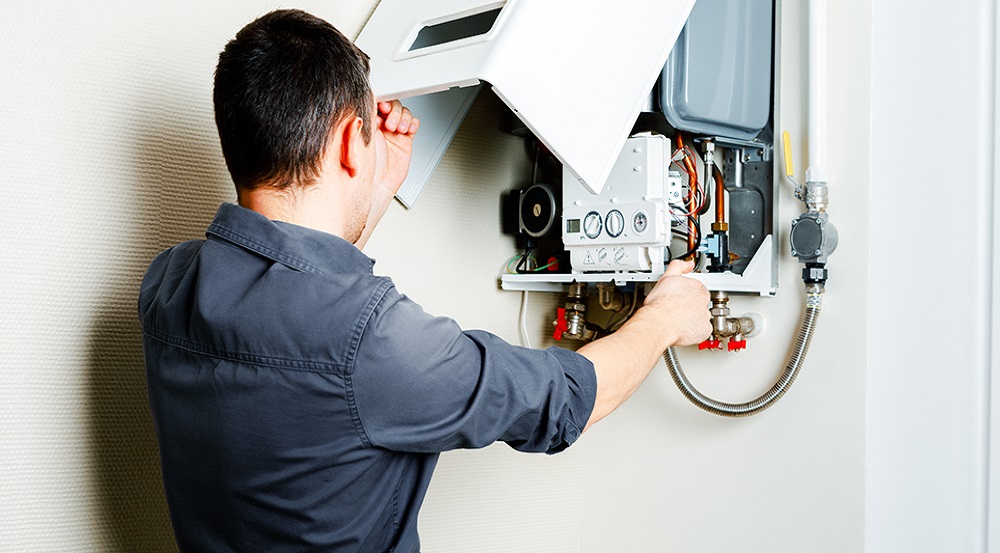
Recognizing urgent boiler repair signs is essential for effective risk prevention and informed decision-making. Professional consultation offers expert advisory and planning, helping you avoid costly mistakes and enhance home comfort. Ready to identify potential issues before they escalate?
Signs of inefficient heating indicating urgent boiler repair
Inefficient heating is often the first clear indicator that a boiler requires immediate attention. When your heating system no longer distributes warmth evenly or struggles to reach the desired temperature, it can signal a range of underlying issues that, if ignored, may lead to costly repairs or total system failure.
One common manifestation is fluctuating room temperatures, where some areas remain cold despite the boiler operating continuously. This uneven heating can stem from problems in the boiler’s heat exchanger or blockages within the pipes, substantially reducing efficiency.
Another sign to watch for is an unusually high energy bill without a corresponding increase in heating demand.
Boilers losing efficiency often consume more fuel to maintain basic performance levels. This hidden waste highlights deteriorating internal components such as worn-out seals or malfunctioning thermostats that fail to regulate the burner correctly.
Additionally, persistent noises like banging, kettling, or gurgling originate from sediment buildup or corrosion inside the boiler. These sounds not only disrupt comfort but also indicate mechanical strain, which compromises both safety and system longevity.
Over time, deposits can limit water flow or cause overheating, necessitating prompt professional evaluation and potential flushing or part replacement.
Boilers that take an extended time to heat water or struggle to maintain set temperatures also point to failing pumps or faulty controls. Some models exhibit continuous operation without ever reaching the target temperature, a clear inefficiency that wastes energy and signals defective components.
Regular maintenance can detect early signs, but once these symptoms appear, urgent repair is recommended to prevent breakdowns during cold seasons.
For homeowners and facility managers alike, recognizing these specific patterns enables timely intervention. Addressing issues like uneven heating, increased consumption, unusual sounds, and delayed water heating not only restores efficiency but ensures compliance with safety standards and prolongs the boiler’s operational lifespan.
Common causes of boiler leaks and their risks
Boiler leaks usually stem from a handful of specific issues, each carrying its own set of risks that can escalate quickly if left unattended. One of the most frequent causes is corrosion within the boiler’s metal components.
Over time, moisture and chemical reactions gradually wear down pipes, joints, and the heat exchanger, leading to small cracks or holes. Such leaks might start subtly, appearing as drops or damp patches around the unit, but can rapidly worsen and cause significant water damage or even system failure.
Another common source is faulty seals and gaskets.
These components ensure water-tight connections between various parts of the boiler. The constant heating and cooling cycles can dry out or crack these seals, allowing water or steam to escape.
Unlike corrosion, which affects the metal structure itself, gasket failure can often be resolved faster and at a lower cost, but ignoring it risks pressure imbalances and the boiler shutting down unexpectedly.
Overpressure conditions caused by a malfunctioning pressure relief valve also frequently lead to leaks. Boilers are equipped with safety valves designed to release excess pressure, but if these valves become blocked or damaged, the pressure has nowhere to go except through weak points in the system. This can create dangerous leaks that might not only cause internal water damage but also present safety hazards such as scalding or even explosions in extreme cases.
Leaks can also originate from faulty pipe connections or loose fittings.
Vibrations, incorrect installation, or wear and tear may loosen joints where pipes meet the boiler or circulate water. This type of leak often presents as persistent dripping and can lead to mold growth, corrosion of nearby materials, and inefficient boiler performance, increasing energy costs.
Each of these issues demands prompt attention, as the presence of water outside the boiler can damage flooring, walls, and electrical components.
Moreover, leaks typically indicate underlying problems compromising the boiler’s efficiency and safety. Recognizing these causes and addressing them early helps prevent costly repairs and ensures reliable heating throughout the colder months.
Extra fact:
In many regions, building regulations mandate annual inspections for boilers over a certain age to prevent carbon monoxide poisoning, a silent hazard responsible for hundreds of emergency hospital visits each year. Ensuring timely repairs not only safeguards health but also complies with local safety laws that can impose significant fines on property owners neglecting these standards.
Impact of unusual noises on boiler performance and safety
Unusual noises emanating from a boiler are more than a mere annoyance—they often signal underlying issues that can compromise both the system’s performance and safety. Sounds such as banging, whistling, gurgling, or clanking should never be overlooked, as they usually indicate that components are struggling or failing.
For example, a persistent banging noise is frequently caused by water hammer, a condition where steam bubbles collapse abruptly within the pipes. This not only reduces heating efficiency but also risks damaging the boiler’s internal parts, such as valves or heat exchangers, increasing repair complexity and costs.
Similarly, a high-pitched whistling sound may point to a leaking pressure valve or airflow restrictions. If left unaddressed, pressure imbalances can escalate, activating safety cut-offs or causing dangerous pressure build-ups.
Another common symptom is gurgling or bubbling noises, which often arise due to trapped air or sludge accumulation inside the system.
This disrupts water circulation, leading to uneven heating and added strain on the pump and other mechanical elements. Over time, these conditions degrade boiler efficiency and elevate fuel consumption, counteracting efforts to maintain energy-efficient operation.
Most importantly, unusual boiler noises can be early warnings of safety hazards. For instance, irregular combustion noises might indicate incomplete gas burning, increasing the risk of carbon monoxide leaks—a serious health threat.
These noises serve as critical diagnostic cues allowing technicians to detect faults before they evolve into hazardous malfunctions.
Responding promptly to atypical boiler sounds by consulting qualified heating engineers ensures that any performance deficiencies are corrected and vital safety mechanisms are verified. Routine professional maintenance usually isolates such noises to common issues like mineral deposits or minor seal leaks, but when unexpected sounds emerge suddenly, they demand immediate investigation.
Ignoring them risks further damage and compromises occupant safety, making noise assessment an indispensable part of responsible boiler management.
Consequences of fluctuating water pressure in boilers
Fluctuating water pressure in a boiler is more than just a minor inconvenience; it signals an underlying issue that, if left unaddressed, can lead to significant damage and inefficiency. Boilers are designed to operate within a specific pressure range, typically between 1 and 2 bars when cold and slightly higher when hot.
Variations outside these thresholds disrupt the system’s balance, causing multiple operational problems.
One immediate consequence is the increased risk of boiler shutdowns. Modern boilers include safety mechanisms that detect abnormal pressure levels, triggering automatic shutdowns to prevent damage.
While this protects the equipment, frequent interruptions interfere with heating performance, resulting in inconsistent hot water and heating supply throughout your property.
Fluctuating pressure also places stress on key internal components such as the heat exchanger, pressure relief valve, and expansion vessel. For instance, when pressure falls too low, air can enter the system, causing corrosion inside the pipes and the heat exchanger.
This corrosion compromises material integrity and can result in leaks or cracks. Conversely, overly high pressure puts excessive load on seals and joints, increasing the likelihood of water leaks or burst pipes.
Boilers suffering from unstable pressure typically consume more energy.
Pressure instability can cause the boiler to cycle—turning on and off more frequently—to maintain the set temperature, which wastes fuel and inflates energy bills. This inefficiency also accelerates wear and tear, shortening the boiler’s overall lifespan and necessitating more frequent repairs or even premature replacement.
In residential and commercial settings alike, pressure fluctuations often point to faults in the filling loop, a malfunctioning expansion vessel, or leaks somewhere within the closed heating system. Timely diagnosis by a certified heating engineer is essential to identify the exact cause and prevent escalation.
Ignoring the signs of fluctuating water pressure can lead to costly damage or hazardous scenarios such as pressure vessel failure.
Regular maintenance, including pressure checks and system bleeding, combined with rapid professional intervention when anomalies arise, safeguards both safety and comfort.
Effects of frequent boiler cycling on energy consumption
Frequent cycling of a boiler, where the system repeatedly switches on and off in short intervals, has a direct and measurable impact on energy consumption. This pattern typically occurs when a boiler’s thermostat or control system malfunctions, or when the unit is improperly sized for the heating load of the building. Each time the boiler fires up, it draws a surge of energy to reach the desired temperature quickly, and this start-up phase inherently consumes more fuel compared to steady-state operation.
This repeated energy spike can raise overall consumption significantly, sometimes by as much as 20 to 30 percent compared to efficient, continuous operation.
Beyond increased fuel usage, frequent cycling accelerates wear on critical components like the burner, heat exchanger, and ignition system. For instance, the constant heating and cooling cause thermal stress, which can lead to premature material fatigue and cracks.
When a heat exchanger cracks, not only is the boiler less efficient, but it poses serious safety risks due to potential leaks of combustion gases.
From a practical standpoint, homeowners may notice fluctuating indoor temperatures and increased utility bills without a clear reason. This subtle sign can often be overlooked but warrants investigation by a qualified heating technician.
In commercial or larger residential setups, frequent cycling can strain associated equipment such as pumps and controls, amplifying overall system inefficiency and maintenance costs.
Addressing frequent boiler cycling early involves checking that the boiler’s capacity matches the heating demand and ensuring the thermostat or aquastat settings are calibrated correctly. Additionally, installing outdoor reset controls or modulating burners helps maintain a more balanced and continuous heat output, minimizing cycling episodes. These upgrades improve not only the energy efficiency but also the lifespan of the boiler system, contributing to lower operating costs and reduced environmental impact.
Importance of addressing persistent pilot light issues promptly
Ignoring persistent issues with a pilot light can lead to significant safety and efficiency concerns in your boiler system. The pilot light serves as a continuous flame that ignites the main burner, enabling your boiler to heat water as needed. When the pilot light frequently goes out or burns irregularly, it often signals underlying malfunctions that require immediate attention.
One common cause of pilot light failure is a clogged or dirty pilot tube, restricting gas flow.
However, more serious problems can arise, such as a faulty thermocouple or gas valve defects. The thermocouple is a crucial safety device that detects whether the pilot flame is lit; if it fails, the gas supply may not shut off properly, increasing the risk of gas leaks and potential fire hazards. Delaying repair in these cases not only compromises safety but can also cause your boiler to become unreliable or stop functioning altogether during cold periods.
From an operational standpoint, a malfunctioning pilot light often results in inefficient combustion.
This inefficiency can increase your energy bills due to incomplete fuel burning and inconsistent heating output. For households reliant on constant, stable hot water, intermittent pilot light performance leads to discomfort and inconvenience, especially during winter months.
Promptly addressing these issues reduces the risk of costly breakdowns and extensive repairs.
For instance, replacing a deteriorating thermocouple or cleaning the pilot assembly are relatively simple interventions that a certified heating engineer can perform quickly. Moreover, modern boilers may incorporate electronic ignition systems that eliminate traditional pilot lights; in such cases, persistent pilot problems might signal the need for upgrading or comprehensive servicing.
Timely professional inspection following recurring pilot light failures ensures compliance with safety standards and prevents exposure to carbon monoxide, a dangerous by-product of incomplete combustion. Consistently monitoring and maintaining your pilot light system supports long-term boiler efficiency, protects your household, and reinforces reliable heating performance.
Dangers of visible corrosion and rust on boiler components
Visible corrosion and rust on boiler components are not merely cosmetic issues; they represent significant risks that can compromise the entire heating system’s safety and efficiency. When rust appears on parts such as the heat exchanger, pipes, or the boiler’s inner casing, it often signals ongoing material degradation triggered by excess moisture, chemical reactions, or mechanical wear.
Left unchecked, this deterioration can lead to leaks, component failure, and even hazardous situations like carbon monoxide leaks.
Corrosion weakens metal structures, reducing their capacity to withstand pressure. For instance, a rusted heat exchanger may develop cracks that allow combustion gases to escape into the boiler’s water circuit, increasing the risk of poisoning.
Additionally, rust particles can clog valves and pumps, disrupting water flow and causing irregular heating cycles or complete shutdowns. This not only increases energy consumption but also leads to costly repairs or replacements.
From a maintenance perspective, corrosion is a red flag pointing to possible water quality issues.
Hard or acidic water accelerates rust formation, so visible rust often indicates that the boiler’s water treatment protocols need immediate review. Ignoring these signs can shorten the entire system’s lifespan and void manufacturer warranties, as most include clauses against corrosion-related damage stemming from neglect.
Practical cases show that early detection of rust combined with professional assessment can prevent emergency breakdowns.
For example, a homeowner noticing rust around pipe joints and promptly seeking a specialist likely avoids a pipe burst, which would cause water damage and extensive downtime. Technicians typically recommend regular inspections targeting vulnerable zones and may suggest preventative measures such as applying corrosion inhibitors or upgrading to stainless steel components where feasible.
Role of regular maintenance in preventing emergency boiler repairs
Regular maintenance plays a pivotal role in minimizing the risk of unexpected boiler failures that often require emergency repairs. Boilers are complex systems, combining mechanical parts, electronic controls, and safety devices, all of which can deteriorate over time due to continuous use and varying operating conditions.
Scheduling periodic inspections and servicing enables early detection of worn components such as corrosion on heat exchangers, leaks in pressure vessels, or malfunctioning thermostats, which if neglected, may escalate into urgent breakdowns.
An example of preventive action is the annual service recommended by most manufacturers, where technicians clean burner assemblies, check gas pressures, and verify combustion efficiency. These measures not only maintain optimal performance but also prevent dangerous situations like carbon monoxide leaks, a frequent consequence of poorly maintained boilers.
Additionally, regular maintenance ensures that safety devices like pressure relief valves and flame sensors are functioning correctly, averting possible hazardous failures that otherwise trigger emergency visits.
Ignoring routine checks often leads to small issues becoming costly repairs or total boiler replacements. For instance, sludge accumulation inside the system can reduce heat transfer efficiency, forcing the boiler to overwork and increasing the likelihood of breakdown. Addressing this during scheduled maintenance avoids unexpected shutdowns and extends the boiler’s lifespan.
From a legal and insurance perspective, maintaining comprehensive maintenance records also benefits homeowners and businesses.
Many insurance policies require proof of periodic servicing to cover claims related to boiler malfunctions. Similarly, compliance with local regulations often mandates documented inspections, which can help avoid fines and ensure safe operation.
Watch this related video:
Do you think this information could help someone else? Don’t hesitate to share it.


